







What's Happening?
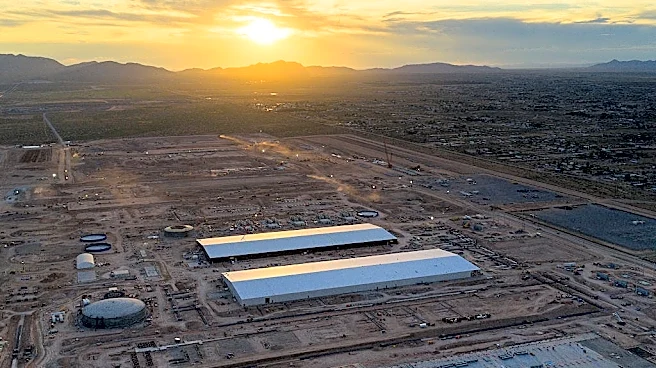
Texas Governor Greg Abbott has announced a moratorium on new Artificial Intelligence (AI) data center construction in rural areas of Texas, following widespread public anger and concerns. This decision marks a significant shift from his previous stance,
where he championed Texas as an 'epicenter of the AI industry.' The pause is intended to allow for an audit of existing and proposed data centers regarding their energy and water consumption, as well as the tax incentives they receive. The move comes as communities across the U.S. express growing frustration over the environmental impact and utility cost implications of these facilities. Governor Abbott has also established new guidelines, requiring data centers to ensure they do not deplete water resources from communities, strain the power grid, or negatively impact local electricity costs and neighborhoods. This issue has become a focal point in the upcoming midterm elections, with bipartisan backlash emerging against the rapid expansion of AI infrastructure.
Why It's Important?
Governor Abbott's policy reversal highlights the increasing tension between technological advancement and community concerns, particularly regarding resource allocation and environmental impact. The rapid proliferation of AI data centers, while promising economic growth and job creation, has raised alarms about their substantial energy and water demands, potentially leading to higher utility bills for residents and exacerbating resource scarcity. This issue has transcended traditional political divides, uniting both Republicans and Democrats in opposition, and is now a significant factor in the midterm elections. The decision in Texas, a state with a large number of data centers, could set a precedent for other states grappling with similar challenges, influencing future regulatory frameworks for the AI industry. It also underscores the need for a balanced approach to technological development that considers both economic benefits and societal well-being, impacting the long-term sustainability of AI infrastructure in the U.S.
What's Next?
Following the moratorium, Texas will conduct audits of AI data centers to assess their resource usage and economic impact. The newly established guidelines will require data centers to secure local community approval and adhere to strict standards regarding water and energy consumption, as well as neighborhood disturbance. This could lead to a more regulated environment for AI infrastructure development in Texas and potentially inspire similar legislative actions in other states. The issue is expected to remain a prominent topic in the upcoming midterm elections, with candidates likely to address concerns about data centers, cost of living, and environmental impact. The AI industry may need to adapt its development strategies, focusing on more sustainable practices and engaging more proactively with local communities to gain public trust and support. The long-term implications could include a shift towards more energy-efficient data center technologies and a greater emphasis on localized benefits for communities hosting these facilities.
Beyond the Headlines
The backlash against AI data centers reveals a deeper societal unease about the unchecked growth of technology and its unforeseen consequences. Beyond the immediate concerns of energy and water, there are ethical and cultural dimensions at play. Communities are questioning the true value proposition of these facilities, weighing the promised economic benefits against the disruption to their way of life, the potential for increased pollution, and the feeling of losing control over local resources. The issue also touches on the broader debate about corporate responsibility and the role of government in regulating powerful tech industries. The 'not in my backyard' sentiment, traditionally associated with industrial projects, is now extending to high-tech infrastructure, suggesting a growing public demand for transparency, accountability, and community involvement in technological development. This could lead to a re-evaluation of how technological progress is integrated into society, emphasizing a more human-centric and environmentally conscious approach.