



What's Happening?
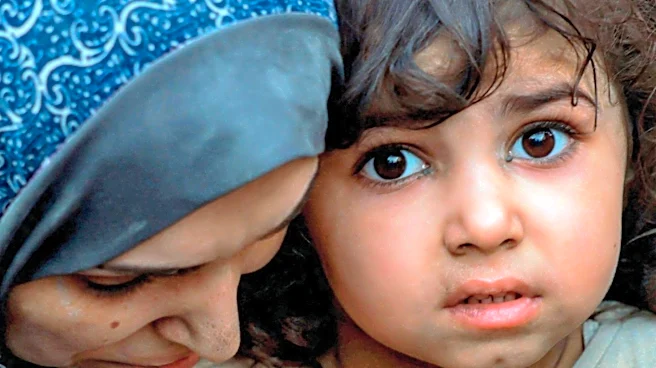
The Turkish Red Crescent (Kızılay) has initiated the 'Cheerful Children Project' in the Gaza Strip, aiming to provide morale and psychosocial support to displaced children. This initiative offers ice cream, snacks, and entertainment to children residing
in displacement camps, temporary shelters, and schools. Millions of Gaza's residents, approximately 2.15 million out of 2.4 million, are currently living in such conditions after their homes were destroyed by Israeli attacks. Kızılay teams utilize mobile vehicles to reach various parts of Gaza, distributing around 1,000 products daily, including seasonal items like ice cream and cold drinks in summer, and sweets in winter. The project, which began in February and continued through Ramadan, also organizes activities such as clown shows and games to help children cope with their difficult circumstances. Saadi Debbur, head of the Turkish Red Crescent’s Gaza office, stated that the project's goal is to bring happiness and joy to these displaced children.
Why It's Important?
This project is important as it addresses the critical mental and emotional well-being of children in Gaza, who are experiencing severe trauma and displacement due to ongoing conflict. While humanitarian aid often focuses on basic necessities like food and shelter, the 'Cheerful Children Project' highlights the often-overlooked need for psychosocial support in crisis zones. By providing moments of joy and normalcy, the initiative helps mitigate the long-term psychological impact of conflict on vulnerable children. This approach recognizes that comprehensive humanitarian response extends beyond physical survival to include mental health and emotional resilience. The project also underscores the significant scale of displacement in Gaza, where a vast majority of the population is living in temporary accommodations, emphasizing the urgent and multifaceted nature of the humanitarian crisis.
What's Next?
The Turkish Red Crescent plans to continue and expand the 'Cheerful Children Project' as long as the humanitarian crisis in Gaza persists. The organization will likely adapt its activities and distributions based on seasonal needs and the evolving situation on the ground. Continued efforts will focus on reaching as many displaced children as possible across various camps and shelters. The success of this project may also encourage other humanitarian organizations to integrate similar psychosocial support initiatives into their aid programs in conflict-affected regions. Furthermore, the ongoing presence of such projects serves as a continuous reminder of the severe conditions faced by the civilian population in Gaza, potentially influencing international calls for sustained humanitarian access and long-term solutions.
Beyond the Headlines
The 'Cheerful Children Project' subtly highlights the profound and often invisible scars of conflict on children. Beyond the immediate physical dangers, the psychological toll of displacement, loss, and constant insecurity can have lasting developmental consequences. This initiative, by focusing on joy and play, taps into the fundamental needs of childhood that are often stripped away in war zones. It underscores a broader shift in humanitarian aid, recognizing that mental health and emotional well-being are as crucial as physical sustenance. The project also serves as a form of cultural diplomacy, showcasing Turkey's commitment to humanitarian values and its engagement in addressing the human impact of the conflict in Gaza, potentially fostering goodwill and strengthening international partnerships in aid efforts.