



What's Happening?
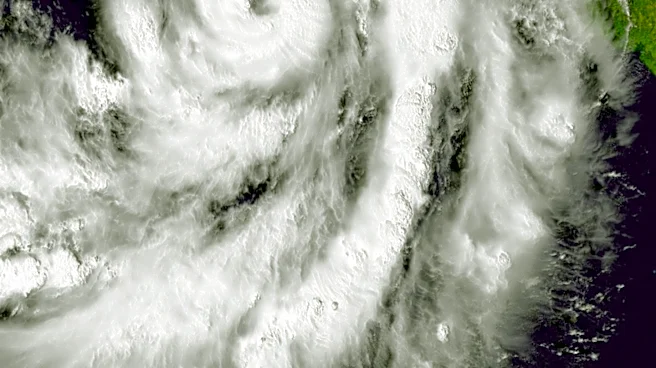
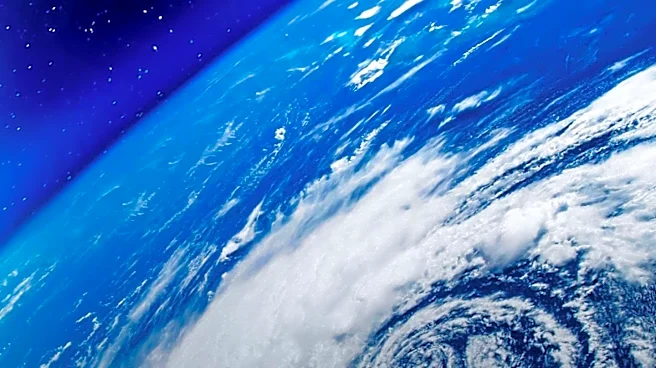
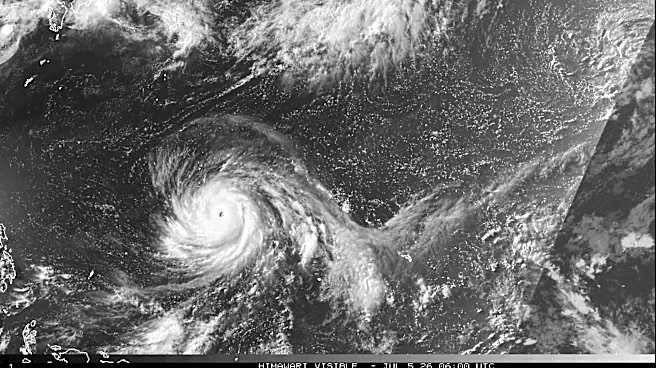
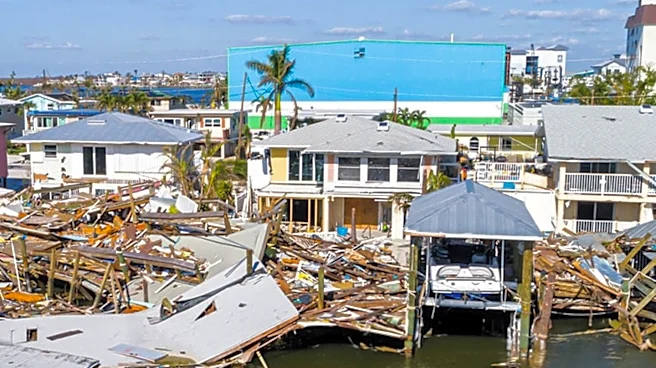
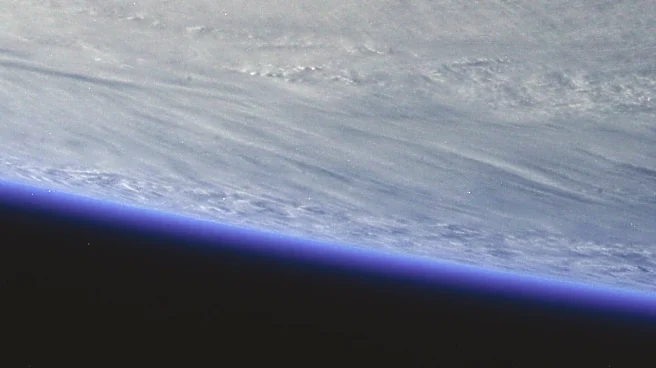
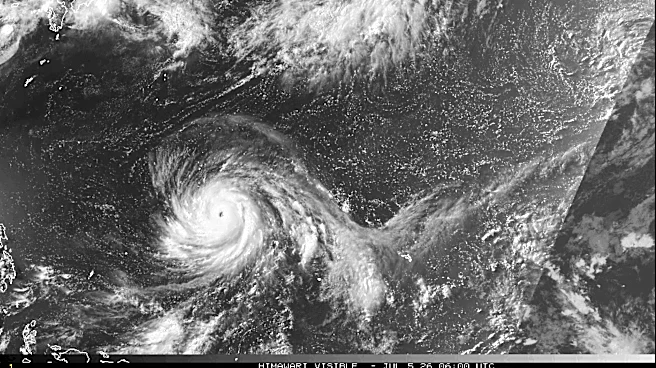
Super Typhoon Bavi has made landfall on Guam and the Northern Mariana Islands, bringing with it devastating winds and heavy rains. The storm, with winds reaching nearly 290 km/h and gusts of 350 km/h, has been classified as 'very dangerous' by the U.S.
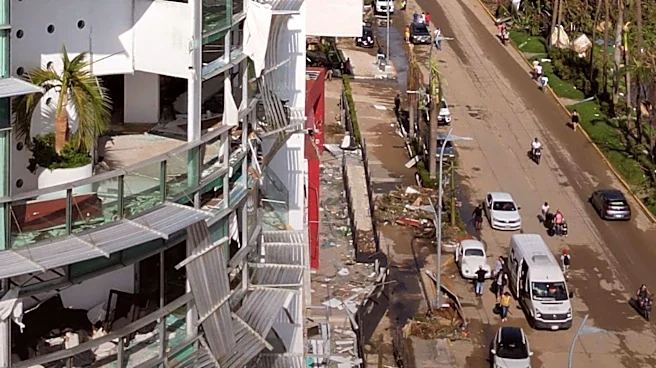
National Weather Service (NWS). The NWS has warned of potentially catastrophic damage, including waves as high as 11 meters. Reports indicate significant damage on the Northern Mariana Islands, with the storm's impact exacerbated by the region's vulnerability to tropical cyclones. The western Pacific is prone to such storms, and climate change is believed to be increasing their frequency and intensity.
Why It's Important?
The impact of Super Typhoon Bavi underscores the growing threat of extreme weather events linked to climate change. The damage to U.S. territories in the Pacific highlights the need for improved infrastructure and disaster preparedness in vulnerable regions. The storm's severity may prompt discussions on climate policy and the importance of international cooperation in addressing climate change. Additionally, the economic and humanitarian costs of such disasters can strain local resources and require federal assistance, influencing U.S. domestic policy and budget allocations for disaster relief and climate resilience.
What's Next?
Recovery efforts will likely involve federal assistance to the affected U.S. territories, with a focus on rebuilding infrastructure and providing aid to displaced residents. The U.S. government may also review and potentially enhance its disaster preparedness and response strategies. On a broader scale, the event could influence climate policy discussions, both domestically and internationally, as the U.S. and other nations seek to mitigate the impacts of climate change. The increased frequency of such storms may lead to more robust climate adaptation measures and international agreements aimed at reducing greenhouse gas emissions.