



What's Happening?
A 4-year-old girl, Rosalie Freund, died last month after being trapped in a hot car for an extended period in American Fork, Utah. According to American Fork Lt. Ryan Archuleta, the incident occurred during the week of July 22 when Rosalie, while playing
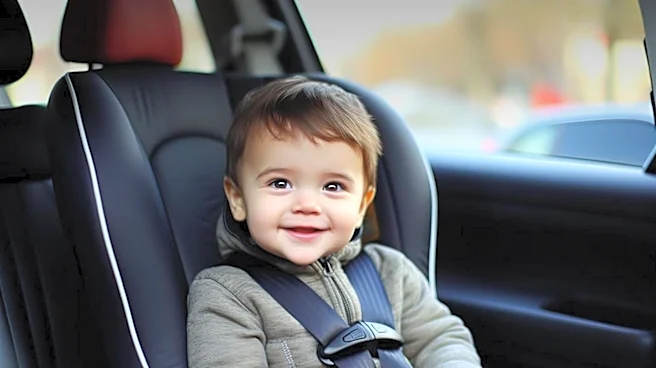
with her siblings, went unaccounted for approximately 2.5 hours. Authorities believe she entered the family's vehicle at their residence. A family member later found her in the car. First responders performed CPR and transported her to the hospital, where she remained in critical condition for two days before succumbing. Lt. Archuleta stated that the child locks were engaged in the back seat, preventing her from opening those doors, though the front doors were unlocked. Authorities are not pursuing charges, deeming it a tragic accident with no parental neglect. A fundraiser has been initiated to assist the family with medical and other related costs.
Why It's Important?
This tragic incident underscores the critical dangers of leaving children unattended in vehicles, particularly during warm weather. Even with seemingly mild ambient temperatures, the interior of a car can rapidly reach life-threatening heat levels, leading to heatstroke and death. The fact that child locks were engaged in the back seat highlights a common safety feature that, in this context, inadvertently contributed to the tragedy by preventing the child's escape. This event serves as a somber reminder for parents and caregivers about the importance of constant vigilance and implementing preventative measures, such as always checking the back seat before exiting a vehicle. The decision by authorities not to pursue charges, classifying it as a tragic accident, reflects the profound emotional and psychological toll such events take on families, while also emphasizing the accidental nature of many hot car deaths. The community's response, including the launch of a fundraiser, demonstrates the societal impact and collective empathy for families affected by such devastating incidents.
What's Next?
In the immediate aftermath, the family will continue to receive support from the community through the launched fundraiser to help cover medical bills and other expenses related to Rosalie's death. This incident may prompt local safety campaigns or public service announcements in American Fork and surrounding areas, reminding parents and caregivers about the dangers of hot cars and offering tips for prevention. Law enforcement agencies and child safety organizations might reiterate warnings about checking vehicles and never leaving children unattended, even for short periods. While no charges are being pursued in this specific case, it could contribute to broader discussions about child safety regulations, public awareness initiatives, and the potential for technological solutions in vehicles to prevent such tragedies. The focus will likely remain on community support for the grieving family and heightened public awareness to prevent similar future incidents.
Beyond the Headlines
Beyond the immediate tragedy, this event touches upon broader societal issues concerning child safety and the psychological impact of accidental deaths on families and communities. The absence of criminal charges, despite the fatal outcome, reflects a legal and societal understanding that not all tragic accidents warrant prosecution, particularly when there is no evidence of neglect. This approach acknowledges the immense suffering already endured by the family. Furthermore, the incident highlights the often-overlooked role of vehicle design, such as child locks, which are intended for safety but can inadvertently create hazards in specific circumstances. It could spark conversations about integrating advanced safety features in cars, like rear-seat reminder systems, which are becoming more common but are not yet universal. The collective community response, including financial support, also illustrates the human capacity for empathy and solidarity in the face of profound loss, reinforcing the idea that such tragedies affect not just the immediate family but the wider social fabric.