







What's Happening?
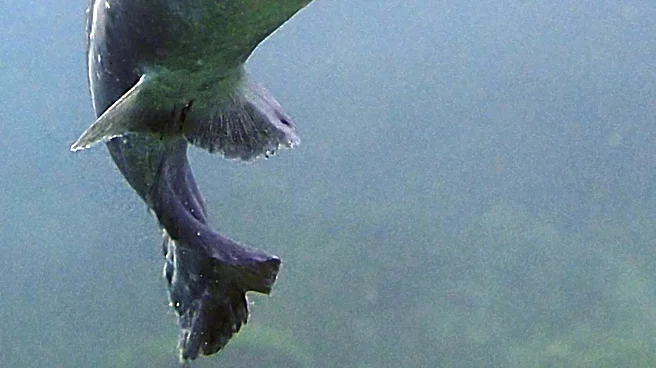
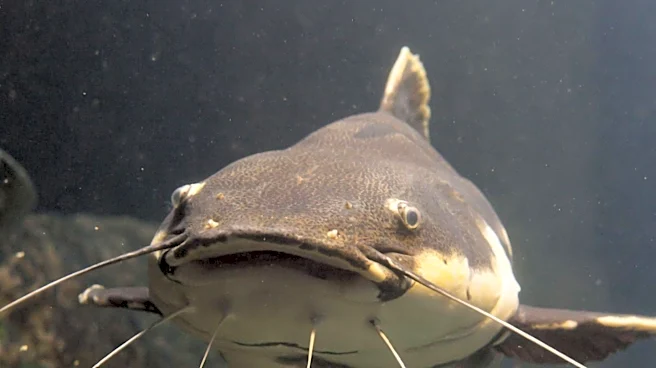
Researchers have discovered the first known transmissible cancer in wild catfish, specifically in the brown bullhead catfish population of Lake Memphremagog, which spans Vermont and Quebec. This finding was published in a study in Nature, revealing that
23% to 37% of sampled catfish had melanoma lesions. Initially, environmental factors were suspected due to regional flooding from Tropical Storm Irene in 2011, which could have introduced cancer-causing pollutants. However, further investigation using whole-genome sequencing showed that the tumors were genetically similar across different fish, suggesting a single line of cancer cells spreading among the fish. This marks the first instance of a transmissible cancer identified in a freshwater fish species.
Why It's Important?
The discovery of a transmissible cancer in catfish is significant as it challenges the conventional understanding of cancer transmission, which is generally considered non-contagious among humans and most animals. This finding could provide new insights into how cancer cells evade immune systems and spread, potentially informing future cancer research and treatment strategies. While the study indicates no risk to humans from this specific cancer, as Lake Memphremagog is a drinking water source for over 175,000 people, it underscores the importance of monitoring environmental health and its impact on wildlife. Understanding the mechanisms of this cancer's transmission could also aid in studying similar phenomena in other species, including humans.
What's Next?
Researchers are continuing to investigate the exact mechanisms of how this cancer spreads among the catfish. The close proximity of brown bullhead catfish during spawning seasons might facilitate the transmission, but the precise route remains unproven. Further studies could explore whether similar transmissible cancers exist in other aquatic or terrestrial species. Additionally, this discovery may prompt more comprehensive environmental assessments to determine if other factors contribute to the spread of such diseases. The findings could also lead to new research into preventing or mitigating the spread of transmissible cancers in wildlife populations.
Beyond the Headlines
This discovery highlights the complex interactions between environmental changes and wildlife health. It raises ethical and ecological questions about human impact on natural habitats and the potential for unforeseen consequences, such as the emergence of new diseases. The study also contributes to the broader understanding of cancer biology, particularly in how cancer cells can adapt and survive in different hosts. This could have long-term implications for developing cross-species cancer treatments or preventive measures. Furthermore, it emphasizes the need for interdisciplinary research combining ecology, genetics, and medicine to address emerging health challenges.