






What's Happening?
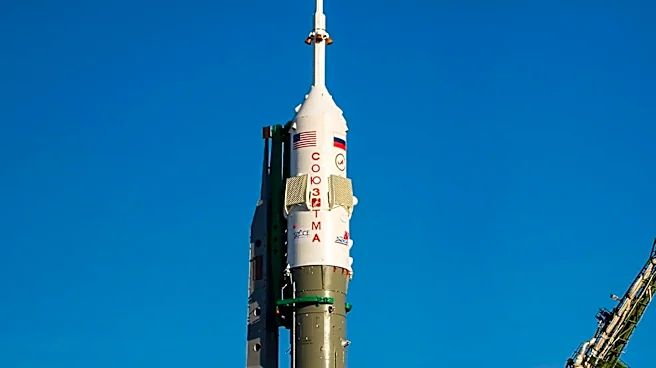
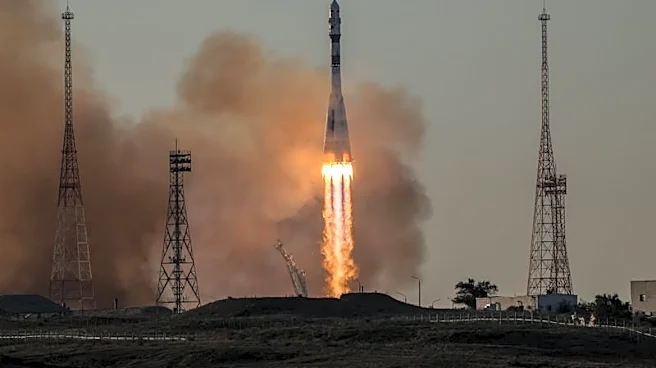
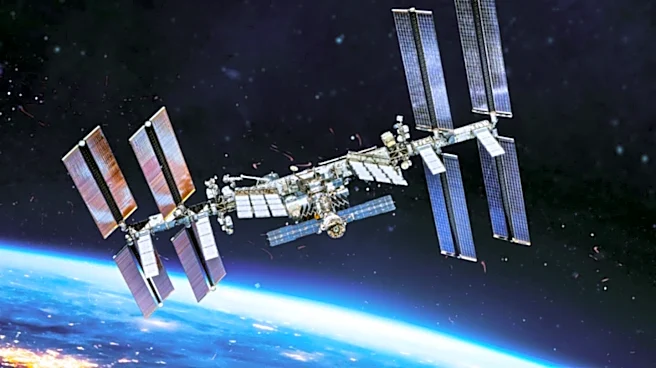
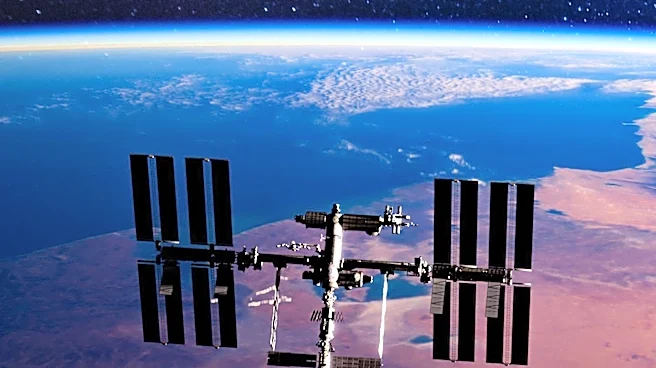
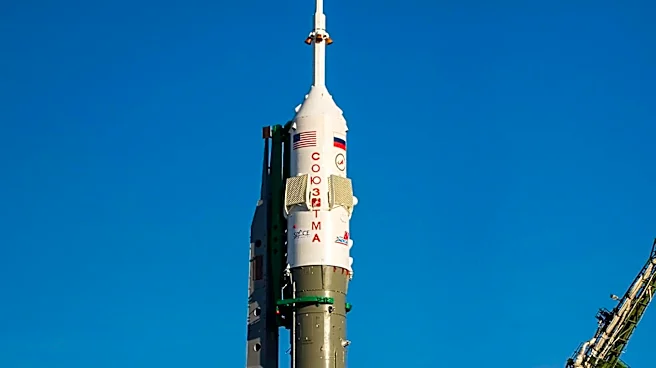
NASA and Russia's space agency, Roscosmos, have agreed to extend the joint operations of the International Space Station (ISS) until 2030. This decision was announced by Roscosmos chief Dmitry Bakanov, following a successful docking of the Russian Soyuz
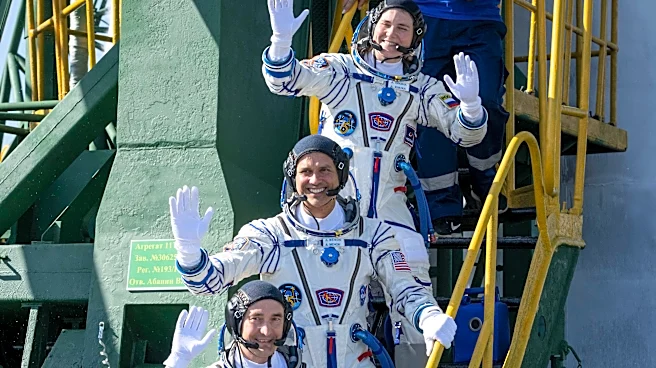
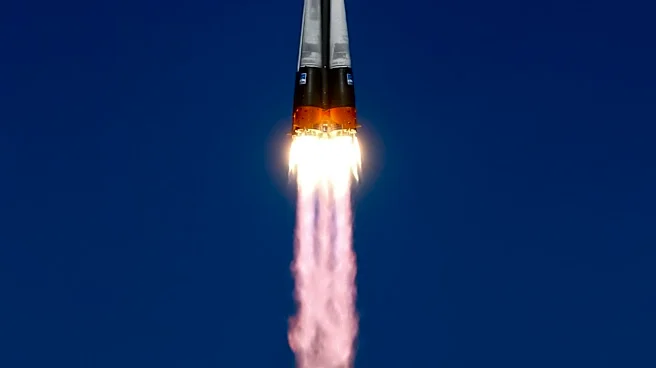
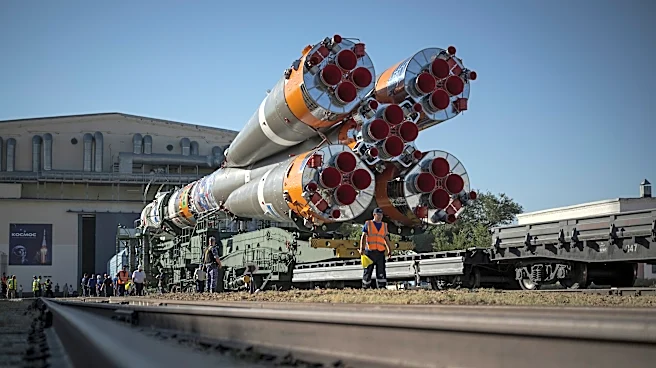
MS-29 spacecraft with the ISS. The spacecraft, launched from the Baikonur Cosmodrome in Kazakhstan, carried Russian cosmonauts Pyotr Dubrov and Anna Kikina, along with NASA astronaut Anil Menon. NASA Administrator Jared Isaacman, who was present at the launch, noted that discussions also included the development of shared technical standards for future space stations. The ISS, operational since 1998, was initially set to end its mission in 2024, but this extension marks a significant continuation of U.S.-Russian cooperation in space despite recent tensions.
Why It's Important?
The extension of the ISS operations is crucial for ongoing international collaboration in space exploration, particularly between the U.S. and Russia. This agreement ensures the continuation of scientific research and technological development aboard the ISS, which has been a pivotal platform for experiments in microgravity. The decision also highlights the importance of maintaining diplomatic and cooperative relations in space, even as geopolitical tensions rise. For NASA, this extension provides more time to develop and transition to new space station technologies, while for Roscosmos, it offers continued participation in a major international project despite domestic challenges in its space program.
What's Next?
Looking ahead, NASA and Roscosmos will likely focus on addressing the technical challenges of maintaining the aging ISS infrastructure. This includes resolving issues such as air leaks, which have previously caused tensions between the two agencies. Additionally, both agencies will work on developing new technical standards that could be applied to future space stations, potentially paving the way for new international collaborations. The extension also allows more time for planning the eventual decommissioning of the ISS, which is now set for the end of 2030.
Beyond the Headlines
The decision to extend the ISS operations underscores the complex interplay between scientific collaboration and geopolitical dynamics. While the ISS serves as a symbol of international cooperation, the underlying tensions between the U.S. and Russia could influence future space policies and partnerships. The extension also raises questions about the sustainability of long-term space missions and the need for new infrastructure to support the next generation of space exploration.