




What's Happening?
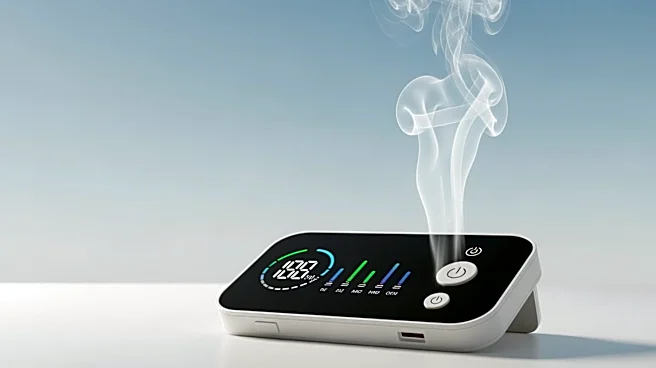
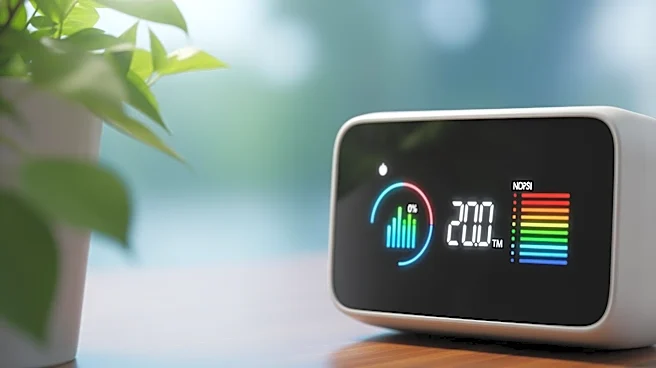
Michigan is updating its air quality risk communication system in response to past wildfire smoke impacts from Canadian wildfires. The state will now issue air quality alerts when fine particulate matter or ozone levels reach the 'unhealthy for sensitive
groups' range on the Air Quality Index. This change aims to provide residents with timely information to protect their health. The Michigan Department of Environment, Great Lakes, Energy (EGLE) is improving forecasting models but remains cautious about predicting smoke conditions beyond 48 hours.
Why It's Important?
The update to Michigan's air quality alert system is crucial for public health, especially for vulnerable groups such as children, pregnant individuals, and the elderly. By providing more timely alerts, the state aims to reduce health risks associated with poor air quality, which can lead to increased hospital visits and respiratory issues. This proactive approach reflects growing concerns about the impact of climate change and wildfires on air quality, emphasizing the need for effective communication and preparedness strategies.
What's Next?
As the wildfire season approaches, Michigan residents can expect more frequent air quality alerts and advisories. The state will continue to refine its forecasting models to improve accuracy and reliability. Residents are encouraged to use resources like the EPA's AirNow webpage for air quality forecasts and to take protective measures, such as using air purifiers and respirators. The effectiveness of these updates will be closely monitored, potentially leading to further enhancements in the state's air quality management strategies.