




What's Happening?
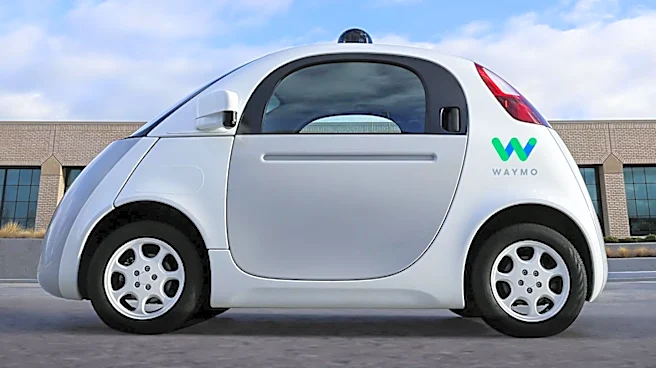
A driverless Waymo vehicle unexpectedly entered the South Pearl Farmers Market in Denver during its Sunday morning setup. Vendors and organizers observed the autonomous car driving along a path typically reserved for pedestrians between market tents.
The car, which had its turn signal on, at one point turned towards individuals near vendor tents before stopping. According to Farmers Market and Event Coordinator Marilyn Kahlich, the Waymo car traveled slowly and avoided obstacles, causing no injuries or damage, and no one felt endangered. However, organizers were unsure how to stop or redirect the vehicle and had to follow it, issuing warnings to those nearby. A Waymo spokesperson stated that the autonomous car was already en route to a destination on South Pearl Street when the market setup commenced. The vehicle quickly recognized the situation and autonomously exited the market area.
Why It's Important?
This incident highlights the ongoing challenges and public perception issues surrounding the integration of autonomous vehicles into urban environments, particularly in unexpected or dynamic settings like farmers markets. While the Waymo car reportedly navigated safely and caused no harm, the inability of market organizers to intervene or communicate with the vehicle raises questions about emergency protocols and public interaction with driverless technology. The event underscores the need for robust systems that can not only detect and react to unforeseen environmental changes but also provide clear mechanisms for human intervention or communication in such scenarios. As autonomous vehicle technology continues to advance and expand into more cities, incidents like this will shape public trust and regulatory frameworks, influencing the pace and scope of their adoption. The situation also brings to light the potential for confusion and concern among the public when encountering these vehicles in non-standard operational contexts.
What's Next?
The incident will likely prompt further discussions between autonomous vehicle companies like Waymo and urban planners, event organizers, and local authorities regarding operational protocols in areas with temporary or dynamic pedestrian zones. Waymo may review its mapping and real-time obstacle detection systems to better anticipate and avoid such situations in the future, potentially incorporating more detailed temporary event data into their navigation algorithms. Local Denver authorities and market organizers might consider implementing clearer signage or physical barriers during market hours to delineate vehicle-restricted areas more effectively. Additionally, there could be a push for enhanced communication strategies or emergency contact methods for the public and event staff to interact with autonomous vehicles if they encounter unexpected behavior. This event could also contribute to broader regulatory conversations about the responsibilities of autonomous vehicle operators in unforeseen circumstances and the need for standardized procedures for public safety.
Beyond the Headlines
The encounter between the driverless Waymo car and the Denver farmers market touches upon deeper societal implications regarding the future of urban mobility and the evolving relationship between humans and artificial intelligence. It raises questions about the 'right of way' in shared public spaces and how autonomous systems are programmed to interpret and prioritize human activity, especially in informal or spontaneous gatherings. The public's reaction, ranging from curiosity to concern, reflects a broader societal learning curve in adapting to AI-driven technologies. This event could serve as a case study for how autonomous systems handle 'edge cases' – situations that fall outside typical operational parameters – and the importance of designing these systems with a high degree of adaptability and human-centric safety features. Ultimately, such incidents contribute to the ongoing dialogue about the ethical considerations and practical challenges of integrating advanced AI into daily life, shaping public policy and technological development in the years to come.