







What's Happening?
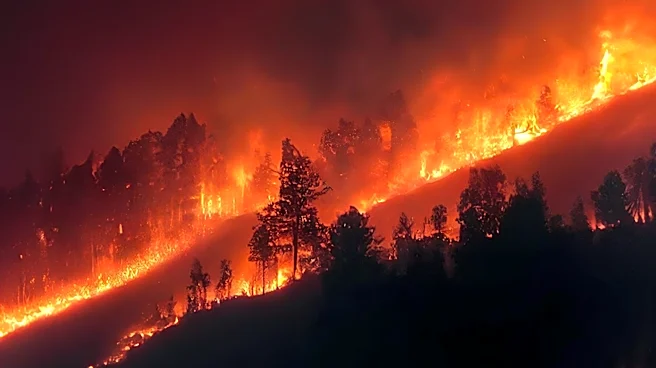
Washington Governor Bob Ferguson has declared a statewide state of emergency due to severe drought conditions, high temperatures, and strong winds that have exacerbated wildfires across the state. The declaration includes a prohibition on most outdoor
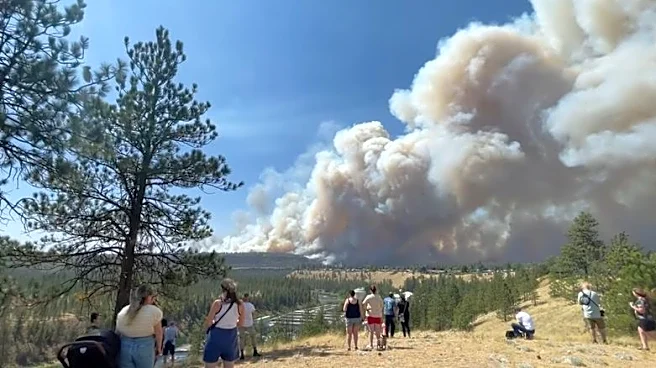
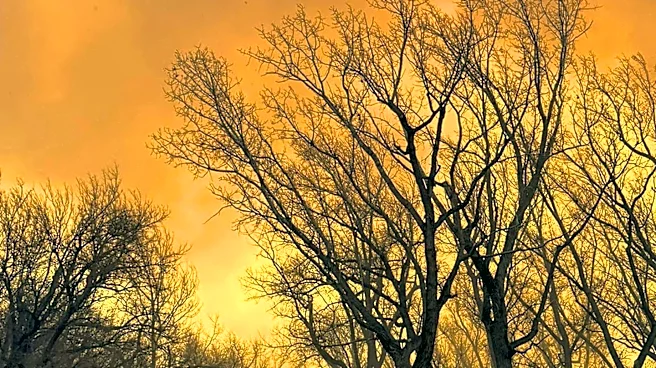
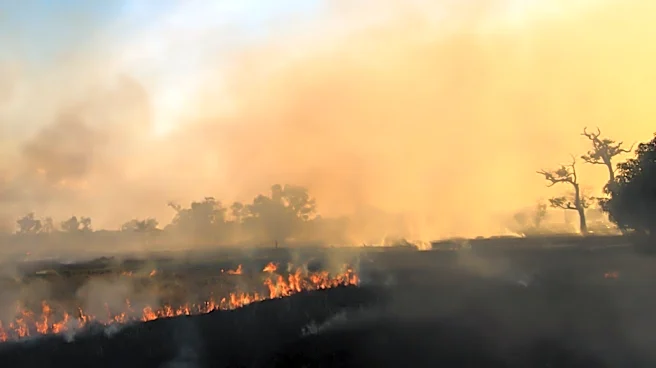
and agricultural burning through September 30, 2026, and allows for the activation of the Washington National Guard to assist in firefighting efforts. The National Weather Service has issued a Particularly Dangerous Situation Red Flag Warning for Central and Eastern Washington, a rare alert indicating extreme fire weather conditions. In Spokane County, the Old Trails Fire has forced evacuations as it rapidly spreads, threatening thousands of homes and structures. The fire, which began around noon on Saturday, has already burned nearly 3,000 acres. Emergency management officials have issued Level 3 evacuation orders, urging residents to leave immediately due to life-threatening conditions.
Why It's Important?
The declaration of a state of emergency and the issuance of a Red Flag Warning highlight the severity of the wildfire threat in Washington. The fires pose significant risks to public safety, property, and the environment. With over 200,000 acres already burning across the state, the situation is straining firefighting resources and could lead to substantial economic and infrastructural damage. The activation of the National Guard underscores the critical need for additional support in managing the crisis. The wildfires also have broader implications for air quality and public health, as smoke from the fires can lead to respiratory issues for residents. The situation is a stark reminder of the increasing frequency and intensity of wildfires, potentially linked to climate change, and the need for comprehensive strategies to mitigate such disasters.
What's Next?
As the fires continue to burn, efforts will focus on containing the blazes and protecting lives and property. The Washington National Guard and state firefighters will work to manage the fires, but the situation remains fluid with the potential for new fires to ignite under the current weather conditions. Authorities will likely continue to monitor weather patterns closely and may extend or modify evacuation orders as needed. The state may also seek additional federal assistance if the situation worsens. In the long term, this event may prompt discussions on improving wildfire preparedness and response strategies, as well as addressing the underlying factors contributing to the increased fire risk.