




What's Happening?
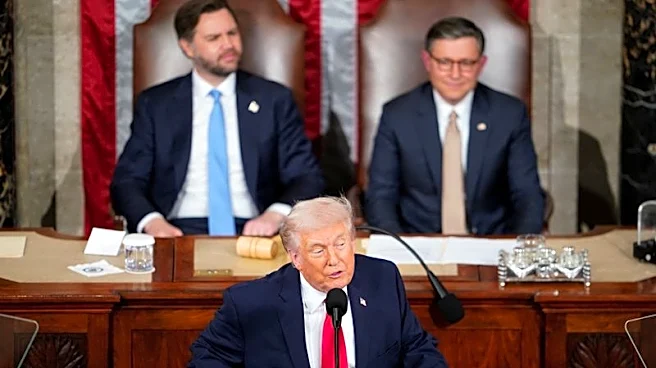
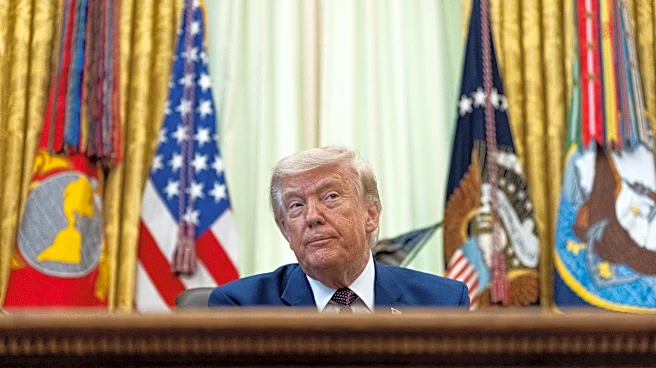
Senate Republicans are increasingly expressing frustration with President Trump, particularly over recent decisions that have complicated legislative efforts. Key issues include Trump's demand for funding a White House ballroom, the introduction of an 'anti-weaponization'
fund, and the appointment of Bill Pulte as acting director of national intelligence despite his lack of experience. These moves have led to significant pushback from Republican senators, some of whom are facing re-election challenges. The situation is exacerbated by ongoing conflicts, such as the war with Iran, which have further strained relations between the White House and Senate Republicans. The tension is highlighted by recent votes where some Republicans sided with Democrats against Trump's initiatives, signaling a growing willingness to oppose the president's agenda.
Why It's Important?
The growing rift between Senate Republicans and President Trump could have significant implications for the GOP's ability to maintain its congressional majority in the upcoming midterm elections. As more Republican senators distance themselves from Trump's controversial decisions, it may impact party unity and legislative effectiveness. This discord could also influence public perception of the Republican Party, potentially affecting voter turnout and support. Additionally, the internal conflict may hinder the passage of key legislative priorities, such as immigration reform and national security measures, which are critical to the party's platform. The situation underscores the challenges of balancing party loyalty with electoral pragmatism, especially as Trump's approval ratings decline.
What's Next?
The immediate future may see further legislative gridlock as Senate Republicans navigate their relationship with President Trump. The nomination of Todd Blanche as attorney general and the reauthorization of Section 702 of the Foreign Intelligence Surveillance Act are likely to be contentious issues. Republican senators, particularly those on the Judiciary Committee, may use these opportunities to assert their independence from the president. Additionally, the outcome of the midterm elections will be pivotal in determining the GOP's strategy moving forward. If Republicans lose seats, it could lead to a reevaluation of their alignment with Trump's policies. Conversely, maintaining or gaining seats might embolden Trump's influence within the party.
Beyond the Headlines
The current tensions highlight broader questions about the future of the Republican Party and its alignment with President Trump's vision. As the party grapples with internal divisions, there may be long-term implications for its policy direction and leadership structure. The situation also raises ethical considerations regarding the use of taxpayer funds for projects perceived as politically motivated, such as the 'anti-weaponization' fund. Furthermore, the appointment of individuals lacking relevant experience to critical national security positions could have lasting impacts on U.S. intelligence operations and international relations. These developments may prompt a reevaluation of the party's priorities and its approach to governance.