







What's Happening?
U.S. Customs and Border Protection (CBP), a division of the Department of Homeland Security, is actively recruiting for full-time, entry and mid-level Border Patrol Agent (BPA) positions. CBP, one of the largest federal law enforcement agencies, is offering
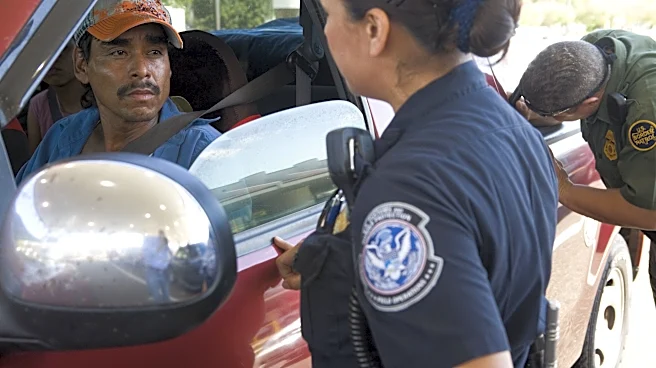
significant recruitment and retention incentives to attract qualified candidates. New agents can receive up to a $20,000 recruitment incentive, with the first $10,000 paid upon academy completion and an additional $10,000 for selecting a prioritized duty location. Furthermore, newly appointed BPAs may qualify for up to $30,000 in retention incentives distributed over three years. The positions are available at various grade levels (GL-5, GL-7, GL-9, or GS-11) with promotion potential to GS-12, offering annual base salaries ranging from $51,632 to $124,717. Candidates must be U.S. citizens, have primary U.S. residency for at least three of the last five years, and generally be referred for selection before their 40th birthday, though exceptions apply for certain federal law enforcement or veteran candidates. The role involves detecting and apprehending individuals violating immigration and customs laws, patrolling borders, and utilizing various assets for surveillance and enforcement.
Why It's Important?
This recruitment drive by CBP is crucial for national security and border management. The influx of new Border Patrol Agents is intended to bolster the agency's capacity to prevent terrorists and their weapons from entering the country, while also facilitating lawful international travel and trade. The substantial financial incentives highlight the urgent need to fill these critical law enforcement roles, particularly in prioritized locations along the border. A well-staffed Border Patrol is essential for maintaining control over U.S. borders, addressing illegal immigration, and combating smuggling operations. The recruitment efforts also provide significant employment opportunities for individuals seeking federal law enforcement careers, offering competitive salaries, comprehensive benefits, and job stability. The emphasis on specific skills, such as Spanish language proficiency and the ability to make sound judgments in high-stress situations, underscores the complex and demanding nature of the job, which directly impacts national security and public safety.
What's Next?
Prospective Border Patrol Agents will undergo a rigorous application process, which includes submitting resumes and transcripts, and for GL-5 or GL-7 applicants, passing the Border Patrol Agent Entrance Exam. Successful candidates will then be detailed to the U.S. Border Patrol Academy in Artesia, New Mexico, for approximately six months of intensive training. This training covers immigration and nationality laws, law enforcement procedures, and Border Patrol-specific operations, including Spanish language proficiency. The ongoing recruitment efforts suggest a sustained focus by the Department of Homeland Security on strengthening border security. The availability of prioritized duty locations with additional incentives indicates a strategic deployment of resources to areas deemed most critical for border enforcement. The agency will continue to evaluate applicants based on their qualifications and experience, with veterans and military spouses being considered alongside all other candidates under a Direct Hire Authority announcement.
Beyond the Headlines
The aggressive recruitment campaign for Border Patrol Agents reflects the persistent challenges and evolving dynamics at the U.S. borders. Beyond the immediate need for personnel, this initiative touches upon broader discussions surrounding immigration policy, national security priorities, and the allocation of federal resources. The incentives offered may attract a diverse pool of candidates, potentially bringing new perspectives and skills to the force. However, the demanding nature of the job, coupled with the inherent complexities of border enforcement, also raises questions about agent retention and the long-term sustainability of such recruitment strategies. The role of technology, such as the Morphed ID Image Detection System mentioned in the broader context of DHS activities, will likely continue to integrate with human efforts, shaping the future of border security operations and the daily responsibilities of Border Patrol Agents. The ongoing debate about border security measures and their societal impact will undoubtedly remain a significant aspect of national discourse.