

What's Happening?
The Junior Historian Spring Program at the Piney Point Lighthouse Museum in Maryland offers children aged 8 to 12 an opportunity to engage in hands-on learning about wildlife conservation and pollinator ecosystems. Scheduled from March 31 to April 3,
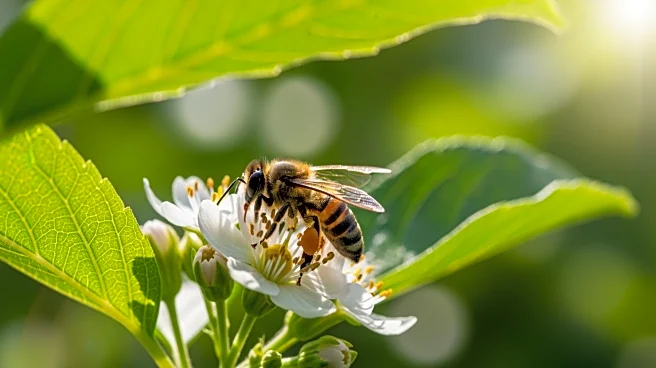
the program includes activities such as building bat boxes, constructing bug hotels, and creating bee drinking stations. Participants will learn about the importance of pollinators in agriculture and food systems by making beeswax candles and discussing the role of bees in supporting crops. The program also features outdoor games that teach scientific concepts, such as the bee waggle dance and pollinator sprinkler game, which illustrate pollinator behavior and ecosystem relationships. Additionally, children will help plant a pollinator garden at the museum, contributing to a habitat for bees, butterflies, and other pollinating species.
Why It's Important?
This program is significant as it fosters environmental awareness and conservation skills among young participants, highlighting the critical role of pollinators in maintaining healthy ecosystems and supporting food production. By engaging children in interactive projects and games, the program aims to instill a sense of responsibility towards nature and encourage future stewardship. The hands-on approach not only educates participants about biodiversity and ecosystem balance but also empowers them to take actionable steps in their communities. As pollinator populations face challenges due to habitat loss and environmental changes, initiatives like this can inspire the next generation to contribute to conservation efforts and sustainable practices.
What's Next?
Following the program, participants will take home several creations, including bat boxes, bug hotels, and bee water stations, along with a personalized nature journal documenting their experiences. The program concludes with the awarding of Junior Historian certificates, recognizing the children's achievements and participation. The Piney Point Lighthouse Museum plans to continue offering similar educational programs, potentially expanding to include more diverse environmental topics and activities. As children share their experiences with peers and family, the program's impact may extend beyond the immediate participants, fostering broader community engagement in environmental conservation.
Beyond the Headlines
The Junior Historian Program not only educates children about pollinators and ecosystems but also addresses broader themes of historical and environmental interconnectedness. By blending history education with environmental awareness, the program highlights how past practices have shaped current ecological challenges and opportunities. This approach encourages participants to consider the long-term implications of human actions on the environment and the importance of sustainable practices. Additionally, the program's focus on creative projects and outdoor learning may influence educational strategies, promoting experiential learning as a valuable tool for teaching complex scientific and environmental concepts.