



What's Happening?
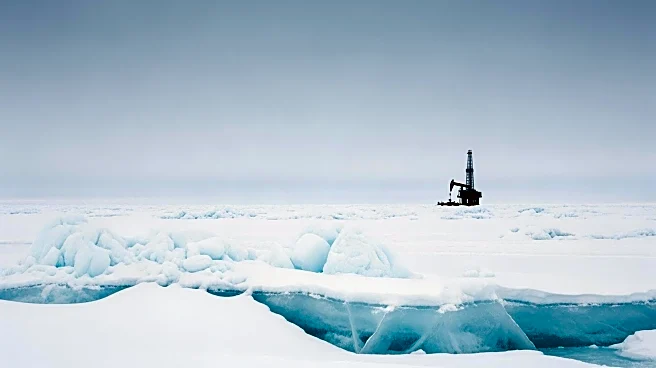
The Trump administration has initiated steps to open new leases for oil and gas drilling in the Arctic National Wildlife Refuge, a significant and biodiverse area in northern Alaska. The U.S. Bureau of Land Management has begun evaluating plots across
the Coastal Plain, a region known for its rich ecosystems and cultural significance to Indigenous peoples. This move is part of a broader policy shift under President Trump, focusing on energy independence and national security. The administration has previously rolled back conservation efforts and climate science research, prioritizing resource development in the Arctic.
Why It's Important?
The decision to open the Arctic National Wildlife Refuge to oil and gas drilling has significant environmental and cultural implications. The area is home to diverse wildlife and is considered sacred by Indigenous communities. Drilling could disrupt these ecosystems and contribute to climate change by increasing carbon emissions. The move has sparked criticism from environmental advocates who argue that it undermines efforts to combat climate change and protect public lands. The potential economic benefits of resource extraction are weighed against the long-term environmental costs and the impact on Indigenous communities.
What's Next?
The Trump administration's plans are likely to face legal challenges from environmental groups and Indigenous organizations. These stakeholders may seek to block the lease sales through litigation, arguing that the environmental and cultural impacts have not been adequately considered. The outcome of these legal battles could influence future policy decisions regarding resource development in protected areas. Additionally, the international community may respond to the U.S.'s actions, as Arctic policies have global environmental implications.