







What's Happening?
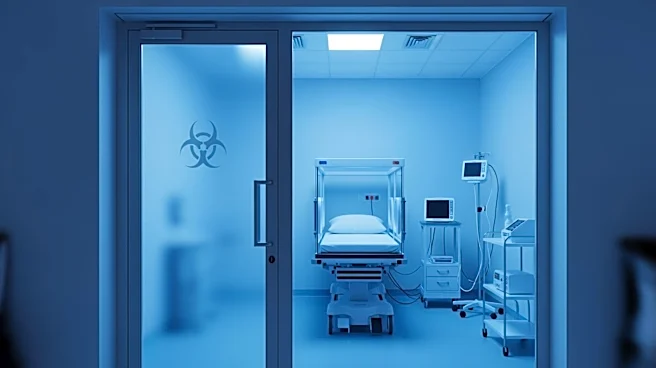
More than a dozen American cruise passengers have been placed in a 42-day quarantine at the University of Nebraska Medical Center after potential exposure to hantavirus. These passengers were aboard the MV Hondius, a cruise ship that experienced an outbreak
of the virus, resulting in 11 infections and three deaths. Upon returning to the U.S., the passengers are being monitored daily for symptoms such as fatigue, headaches, fever, and chills. U.S. health officials emphasize that hantavirus requires prolonged contact with symptomatic individuals to spread, and efforts are being made to minimize contact to prevent further transmission. The quarantine is currently voluntary, with health authorities noting that compliance has been high among those affected.
Why It's Important?
The quarantine of these passengers highlights the ongoing challenges in managing infectious disease outbreaks, particularly in confined environments like cruise ships. The hantavirus, while not easily transmissible, poses significant health risks due to its high mortality rate. The situation underscores the importance of stringent health monitoring and quarantine measures to prevent the spread of infectious diseases. This incident also raises awareness about the need for robust public health protocols and the potential impact on the travel industry, which may face increased scrutiny and regulation to ensure passenger safety. The cooperation of quarantined individuals is crucial in preventing a wider outbreak, and their compliance reflects the seriousness of the health threat posed by hantavirus.
What's Next?
Health authorities are developing plans to allow some passengers to continue their quarantine at home, provided they adhere to strict guidelines to prevent transmission. This includes maintaining distance from others, wearing masks, and avoiding crowded places. The Centers for Disease Control and Prevention (CDC) is working with local jurisdictions to ensure that all safety measures are in place for those who may transition to home quarantine. The situation is being closely monitored, and further actions may be taken if compliance issues arise or if additional cases are detected. The World Health Organization may also consider updating its protocols for handling such outbreaks in healthcare settings.