





What's Happening?
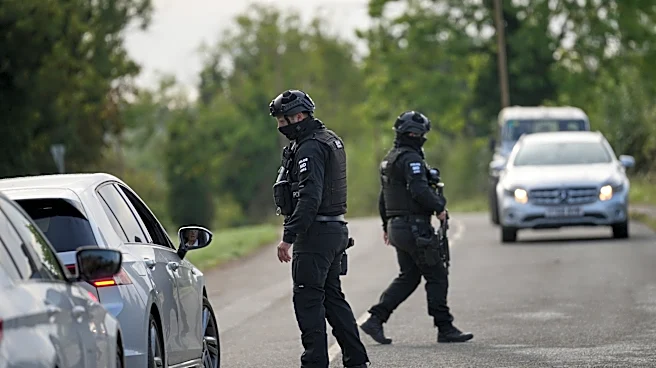
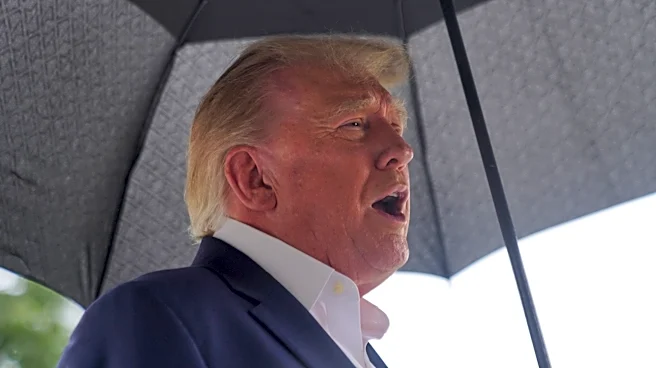
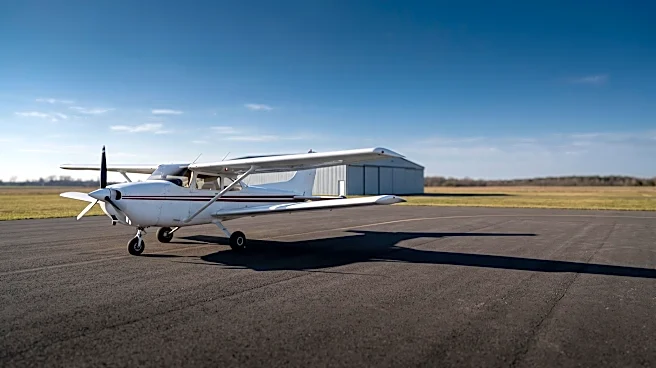
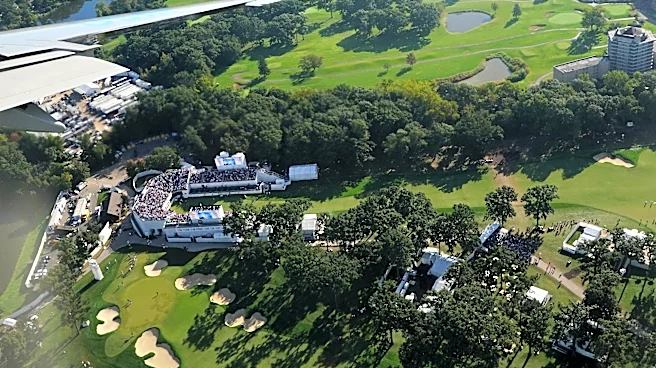
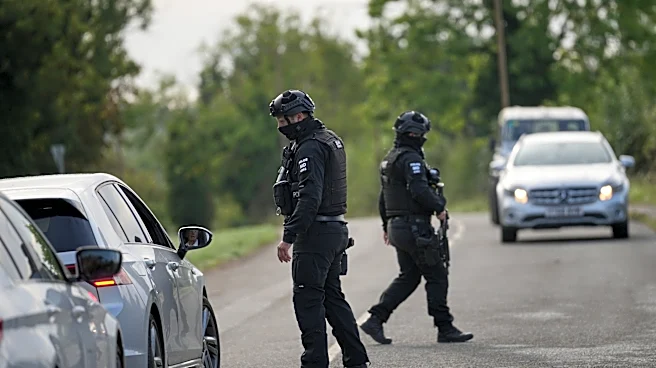
The Secret Service requested McHenry County deputies respond to Hilbert Airport, a private airfield near Marengo, after a small civilian plane reportedly violated restricted airspace during President Trump's visit for the Presidents Cup. The incident
occurred on a Sunday afternoon, with an air traffic controller attempting to contact aircraft flying at low altitude without a transponder code. A fighter jet pilot subsequently warned an aircraft with a red stripe, flying approximately 30 miles northwest of O’Hare International Airport, that it was in restricted airspace. The fighter pilot later intercepted an aircraft about 10 miles east of Poplar Grove, ordering it to continue north. It remains unclear if the intercepted aircraft was the same one the Secret Service reported. Deputies were later released, with the Secret Service indicating no further assistance was needed from the sheriff's office. The Federal Aviation Administration (FAA) had established a temporary flight restriction covering airspace up to 17,999 feet within 30 nautical miles of Medinah and O’Hare International Airport, with tighter inner rings, starting Sunday morning.
Why It's Important?
This incident highlights the critical importance of adhering to temporary flight restrictions (TFRs), especially those implemented for presidential movements. Violations of such airspace can trigger significant responses from federal agencies like the Secret Service and North American Aerospace Defense Command (NORAD), leading to potential intercepts by fighter jets and enforcement actions against pilots. The deployment of local law enforcement, as seen with the McHenry County deputies, underscores the multi-agency coordination required to secure presidential events. For general aviation pilots, this serves as a stark reminder of the severe consequences of failing to check NOTAMs (Notices to Airmen) and respect restricted airspace, which can range from interviews with federal authorities to more serious enforcement actions. The use of flares by fighter jets during intercepts, as noted by NORAD, also emphasizes the seriousness with which these violations are treated, even if the flares are designed to be safe.
What's Next?
NORAD reported that at least 15 general aviation aircraft violated the restricted airspace over the Chicago area on Sunday, with fighter jets intercepting 10 of them. Fighter jets dispensed flares during two of these intercepts, all of which were safely resolved. Federal authorities will likely investigate the specific incident involving the small plane near Marengo to determine if the pilot will face enforcement action. The Secret Service may continue its inquiry into the pilot's actions, and the FAA could impose penalties, which might include fines or license suspension. This event will likely reinforce the need for enhanced communication and awareness among general aviation pilots regarding TFRs, particularly during high-profile events involving national security assets. The incident also serves as a case study for future security protocols during presidential visits, potentially leading to reviews of how TFRs are communicated and enforced.
Beyond the Headlines
The incident underscores the broader challenges of managing airspace security in a country with a high volume of general aviation traffic, especially when juxtaposed with the stringent security requirements for presidential movements. The immediate response involving fighter jets and local law enforcement illustrates the 'no-fail' mission approach taken by security agencies when the President's safety is concerned. This event also touches upon the delicate balance between public access to airspace and national security imperatives. While TFRs are temporary, their impact on private pilots can be significant, leading to disruptions and potential legal repercussions. The use of fighter jets for interception, while necessary for security, also raises questions about the appropriate level of force and the potential for miscommunication in rapidly evolving situations. Ultimately, it highlights the constant vigilance required to maintain airspace integrity and protect high-value targets.