







What's Happening?
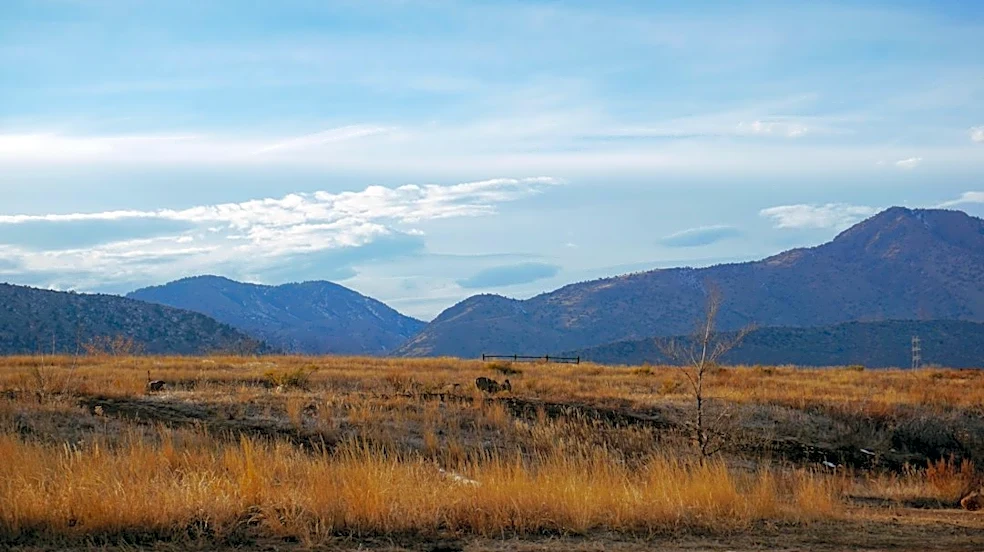
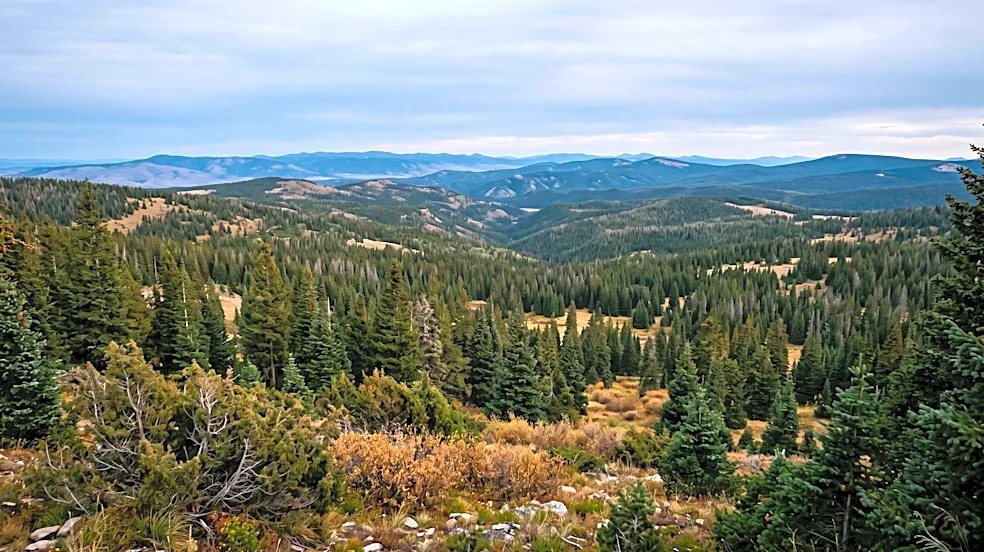
The U.S. Forest Service is initiating plans for prescribed burns in Wyoming, taking advantage of forecasted lower temperatures. Specifically, the Medicine Bow National Forest in southeast Wyoming intends to burn approximately 2,000 acres in the Pole Mountain
area, located east of Laramie. Aaron Voos, public affairs specialist for the Medicine Bow-Routt National Forests and Thunder Basin National Grassland, stated that prescribed burning is a standard and valuable tool for proactive landscape management. The primary objective of the Pole Mountain burn is to reduce overgrown vegetation, thereby decreasing the amount of fuel available for potential wildfires. Voos also noted that these treatments can help change vegetation composition, such as reducing undesirable juniper growth. The Bridger-Teton National Forest has also announced its prescribed burning plans for the fall and winter, which will include both pile and broadcast burning methods to reduce hazardous fuels, improve habitat, and restore fire-adapted ecosystems.
Why It's Important?
Prescribed burns are a critical component of forest management in the U.S., particularly in regions prone to wildfires like Wyoming. By intentionally burning controlled areas, the U.S. Forest Service aims to mitigate the risk of larger, more destructive wildfires that can threaten communities, ecosystems, and infrastructure. The reduction of fuel load, such as overgrown vegetation, is essential for preventing catastrophic blazes, which have become increasingly prevalent due to climate change and historical fire suppression policies. These burns also play a vital ecological role by promoting forest health, improving wildlife habitats, and restoring natural fire regimes that many ecosystems depend on for regeneration. The planned burns in Medicine Bow and Bridger-Teton National Forests demonstrate a proactive approach to land management, seeking to protect natural resources and ensure the long-term resilience of these valuable landscapes against the growing threat of uncontrolled wildfires.
What's Next?
The exact dates for the prescribed burns in the Medicine Bow and Bridger-Teton National Forests have not yet been announced, as they are contingent on favorable weather conditions. The U.S. Forest Service will monitor weather forecasts closely to ensure optimal conditions for safe and effective burning, considering factors such as temperature, humidity, and wind. Updates regarding the burn schedules will be disseminated through Forest Service social media channels and news releases on local Forest Service websites. Other agencies, including the Bureau of Land Management, U.S. Fish and Wildlife, and State Prescribed Fire Councils, also conduct similar prescribed burns and will likely continue their planning and execution of such activities. These ongoing efforts signify a continuous commitment to proactive land management and wildfire prevention across various federal and state entities.
Beyond the Headlines
The practice of prescribed burning, while essential for ecological health and wildfire prevention, often involves complex considerations and public perception challenges. Balancing the ecological benefits of controlled fires with potential impacts on air quality, visibility, and temporary disruptions to recreational activities requires careful planning and communication. The increasing frequency and intensity of wildfires across the U.S. underscore the urgent need for effective land management strategies, including the expanded use of prescribed burns. This approach represents a shift from solely suppressing fires to actively managing landscapes to mimic natural processes. Furthermore, these efforts highlight the broader implications of climate change on natural resource management, as agencies adapt their strategies to cope with altered fire seasons and environmental conditions, emphasizing the long-term commitment required to maintain healthy and resilient ecosystems.