











What's Happening?
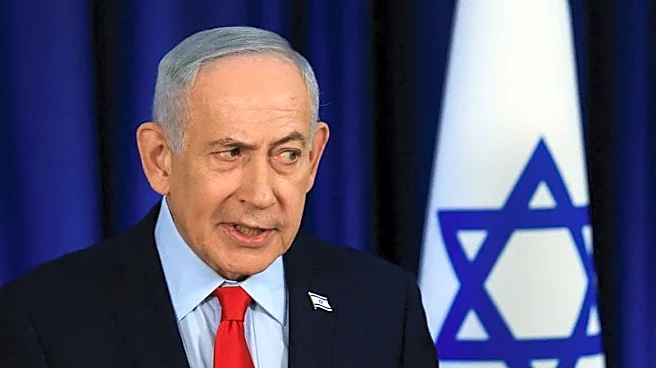
Prime Minister Benjamin Netanyahu is reportedly contemplating the cancellation of internal primaries within the Likud party, opting instead for a party committee to determine the candidate list for the upcoming election. This move is part of a broader
strategy to revamp the list by prioritizing candidates who can garner public support and deliver results, rather than those who would simply succeed in primaries. Netanyahu aims to appeal to younger voters by reserving spots for emerging figures, potentially displacing some incumbent lawmakers. The plan, which allows Netanyahu to reserve 8-10 positions for selected candidates, has met with strong opposition from current lawmakers who would face more competitive races to retain their seats. Party strategists have indicated that the messaging about a party committee is intended to mitigate resistance to the reserved spots. The Likud central secretariat recently met, with Chairman Haim Katz awaiting clear decisions from Netanyahu. If no decisions are forthcoming, the central committee may step in to determine the list.
Why It's Important?
This development is significant as it highlights internal tensions within the Likud party and Netanyahu's strategic maneuvering to maintain influence and appeal to a broader voter base. By potentially scrapping the primaries, Netanyahu could reshape the party's candidate list to include figures who align more closely with his vision and strategy, potentially sidelining established lawmakers. This move could impact the party's democratic processes, as primaries are a key part of Likud's identity, distinguishing it from other parties without such mechanisms. The decision could also influence the party's electoral prospects, as it seeks to attract younger voters and adapt to changing political dynamics. The outcome of this decision could affect the balance of power within the party and its ability to compete in the upcoming elections.
What's Next?
If Netanyahu proceeds with this plan, it could lead to significant changes in the Likud party's candidate list, potentially altering the party's internal dynamics and electoral strategy. The central committee may play a crucial role if Netanyahu does not make a definitive decision, potentially stepping in to set the candidate list. The reaction from incumbent lawmakers and party members will be critical, as they may push back against changes that threaten their positions. The broader political landscape in Israel could also be affected, as other parties may respond to Likud's strategy by adjusting their own approaches to candidate selection and voter engagement.