






What's Happening?
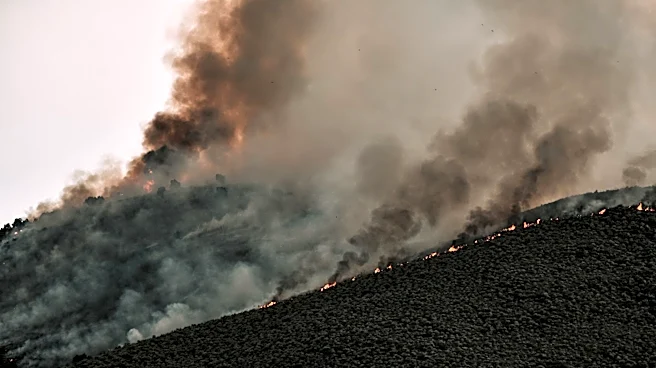
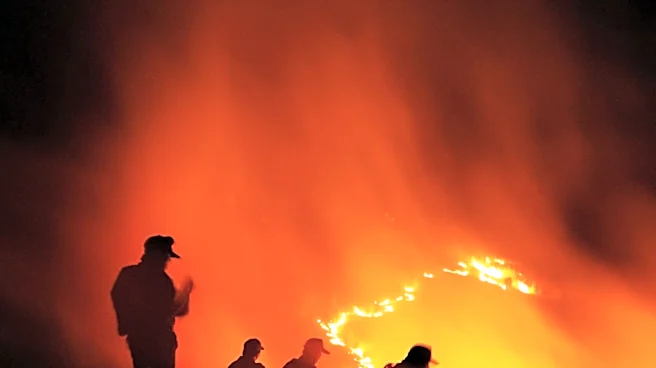
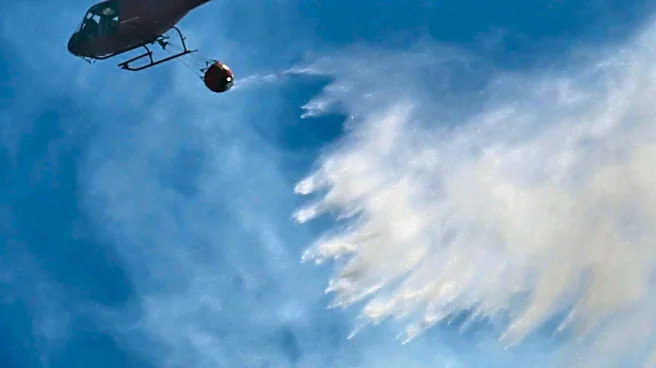
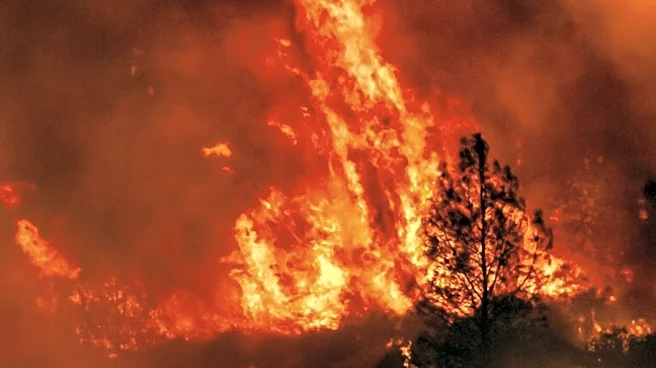
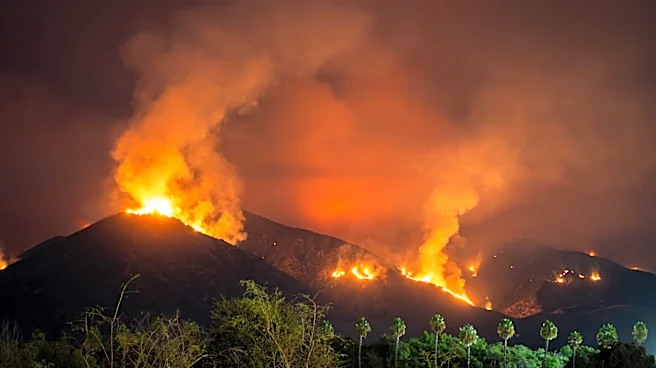
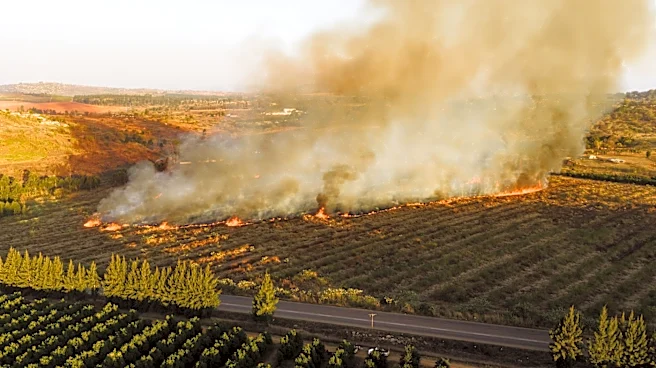
The current wildfire season in the western United States is proving to be particularly challenging for firefighters due to persistent drought conditions, record-low snowpack levels, and consecutive days of hot, dry, and windy weather. This has led to hundreds
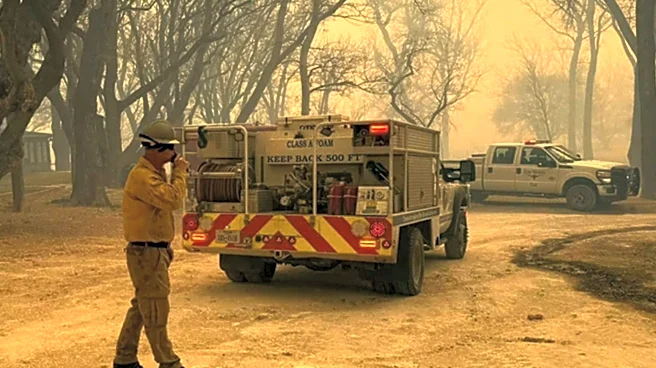
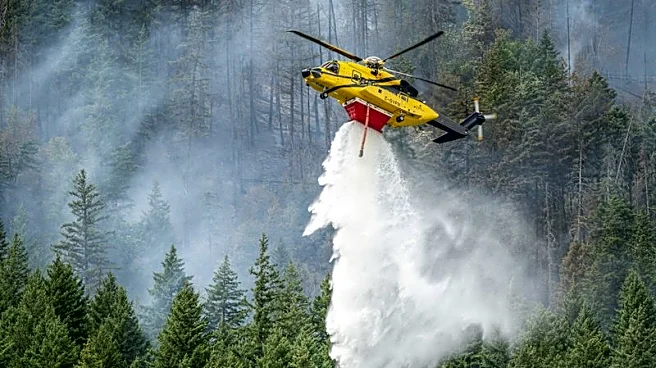
of homes being destroyed and the tragic loss of three firefighters in Colorado. Additionally, a helicopter crash in Colorado resulted in the death of a pilot. Fire managers are now prioritizing rapid response to new fires to prevent them from growing out of control, a shift from previous strategies that allowed some fires to burn naturally to clear brush and reduce future risks. The National Interagency Fire Center has raised the national preparedness level to 4, indicating a high demand for resources and personnel. Over 2,100 fires have been reported since the beginning of July, with more than 17,000 personnel deployed across various states to manage the situation.
Why It's Important?
The intensifying wildfire season has significant implications for public safety, environmental health, and resource management in the U.S. The rapid deployment of resources is crucial to minimizing the loss of life and property, but it also places a heavy burden on firefighting personnel, increasing the risk of burnout and injury. The situation underscores the need for strategic resource allocation and highlights the challenges of maintaining a balance between immediate response and long-term fire management strategies. The economic impact is also considerable, as wildfires can disrupt local economies, damage infrastructure, and lead to costly recovery efforts. The ongoing situation may prompt discussions on increasing investment in firefighting resources and infrastructure, as well as exploring new technologies for early fire detection and management.
What's Next?
As the wildfire season progresses, fire managers will continue to monitor weather conditions and adjust resource allocation accordingly. The focus will remain on pre-positioning crews and equipment in areas with the highest risk of fire activity. There is also potential for increased collaboration between states and federal agencies to ensure adequate coverage and support. The deployment of new technologies, such as satellite-based fire detection systems, may play a role in improving early response capabilities. Additionally, discussions around the establishment of a permanent wildland firefighting workforce may gain traction as stakeholders seek to address the challenges of resource management and personnel retention in the face of increasingly severe fire seasons.
Beyond the Headlines
The current wildfire season highlights broader environmental and policy challenges, including the impact of climate change on fire frequency and intensity. The need for sustainable land management practices and the integration of traditional ecological knowledge in fire management strategies may become more prominent in policy discussions. The situation also raises ethical considerations regarding the safety and well-being of firefighting personnel, as well as the long-term implications of current fire management practices on ecosystems and biodiversity. As communities continue to grapple with the effects of wildfires, there may be increased advocacy for policies that address the root causes of fire risk and promote resilience in vulnerable areas.