







What's Happening?
Naperville Preservation Inc., a local advocacy group, is seeking formal support from the Naperville City Council for its historic preservation plan, 'Progress Through Preservation.' A study conducted by the group earlier this year revealed that Naperville lags
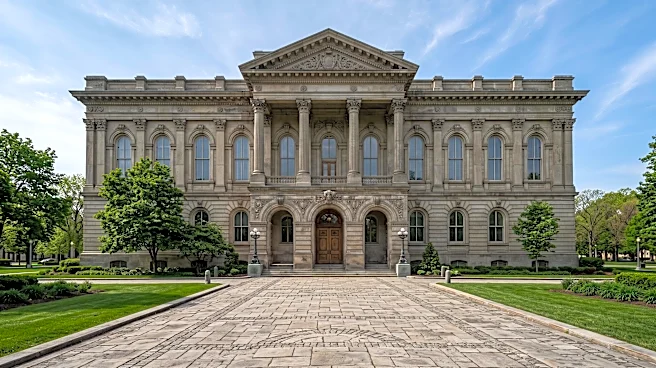
behind comparable communities in preserving its historic structures, with only six landmarked buildings compared to dozens or hundreds in other cities. The report recommends increasing staffing resources and training for historic preservation efforts, suggesting that at least one full-time city employee dedicate 50% of their time to the topic, a significant increase from the current 15% of one assistant planner's time. Other recommendations include creating financial incentives for preservation and increasing penalties for demolishing neglected buildings. While two council members have signaled interest in increasing staffing, a city manager's memo indicates it would take at least 18 months to reassess workloads and potentially reallocate staff time, a timeline Naperville Preservation finds disappointing.
Why It's Important?
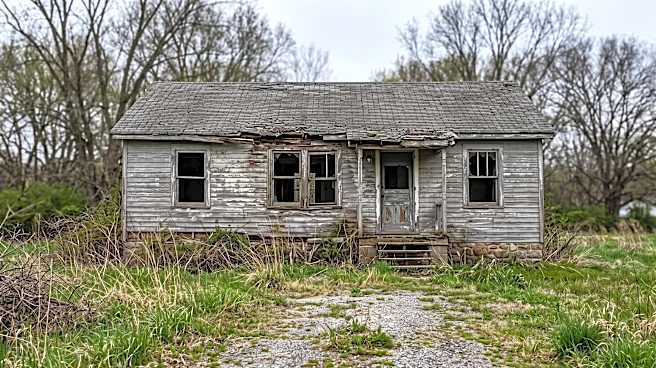
The push for enhanced historic preservation in Naperville is important for several reasons. Firstly, it aims to protect the city's cultural heritage and unique identity by safeguarding its historic buildings and places. Without adequate preservation efforts, these structures are at risk of demolition or neglect, leading to a loss of historical context and architectural character. Secondly, the comparison with peer communities highlights a potential gap in Naperville's commitment to heritage conservation, which could affect its appeal and distinctiveness. Increased staffing and training, as proposed, are crucial for effective preservation, as they provide the expertise and capacity to identify, document, and protect historic assets. Financial incentives could encourage property owners to maintain and restore historic properties, while increased penalties could deter demolition. The outcome of this request will determine whether Naperville prioritizes its historical assets and aligns its preservation efforts with those of other historically rich communities.
What's Next?
Naperville Preservation Inc. plans to formally request that the City Council seriously consider its plan and direct the Historic Preservation Commission to officially review it. The council will need to decide whether to expand the city's historic preservation efforts and allocate the necessary resources, particularly regarding staffing. While the city plans to add three new full-time employees to the Transportation, Engineering and Development (TED) department next year, it remains uncertain if this will translate into increased dedicated time for historic preservation within the suggested 18-month timeframe. The Historic Preservation Commission has already unanimously voted to review the plan, indicating internal support. The council's decision will dictate the immediate future of historic preservation initiatives in Naperville, including the potential for new policies, financial programs, and increased enforcement measures.
Beyond the Headlines
The debate over historic preservation in Naperville touches upon broader themes of urban development, community identity, and the balance between progress and heritage. In rapidly growing communities, there is often tension between the desire for modernization and the need to preserve historical roots. The lack of landmarked buildings in Naperville, compared to its peers, could reflect a historical prioritization of new development over conservation, or simply a lack of dedicated resources. This initiative could spark a wider community conversation about what aspects of Naperville's past are most valuable to preserve and how those values should be reflected in city planning and resource allocation. Furthermore, effective historic preservation can contribute to economic development through heritage tourism and by maintaining unique neighborhood character, which can attract residents and businesses. The outcome in Naperville could serve as a case study for other growing suburban communities grappling with how to honor their past while building for the future.