






What's Happening?
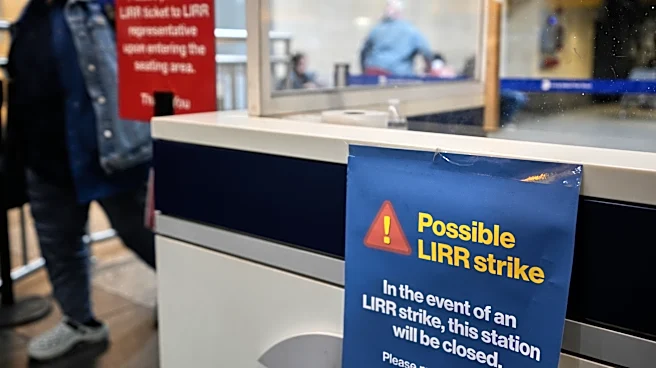
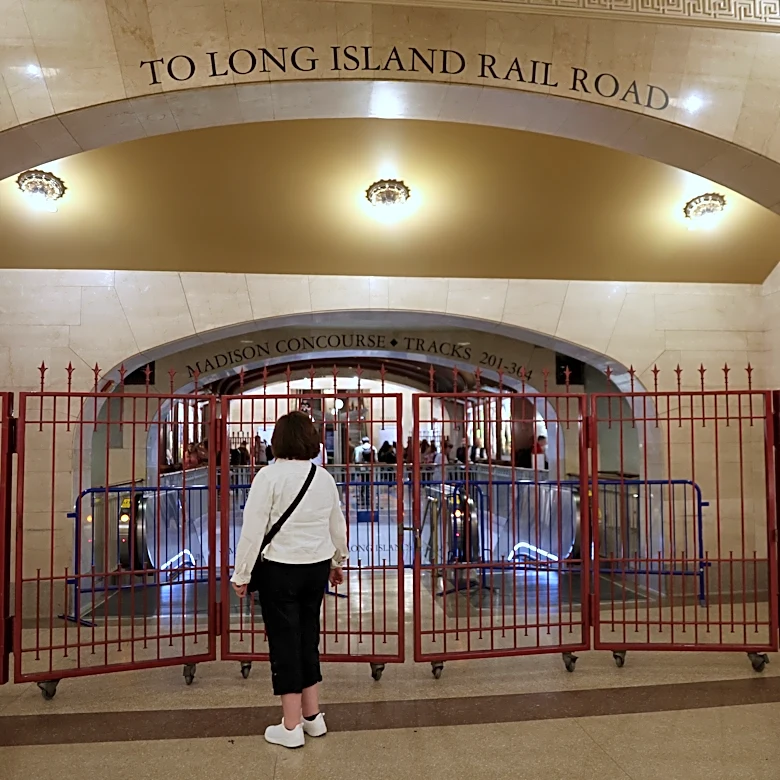
The Long Island Rail Road (LIRR) strike has entered its second day as negotiations between the Metropolitan Transportation Authority (MTA) and the unions remain at an impasse. Governor Kathy Hochul has made a direct appeal to the LIRR workers, urging
them to consider the broader impact of the strike on commuters and the economy. Despite her intervention, there has been no significant progress in reaching a resolution. The strike has disrupted services, affecting thousands of daily commuters who rely on the LIRR for transportation. The unions are demanding better wages and working conditions, while the MTA is grappling with budget constraints and operational challenges.
Why It's Important?
The ongoing strike has significant implications for the New York metropolitan area, particularly for commuters who depend on the LIRR for daily travel. The disruption in services can lead to economic losses as workers face difficulties reaching their jobs, potentially affecting productivity. Additionally, the strike highlights the broader issues of labor relations and the challenges faced by public transportation systems in balancing budgetary constraints with employee demands. The outcome of these negotiations could set a precedent for future labor disputes within the MTA and other public sector unions.
What's Next?
As the strike continues, pressure mounts on both the MTA and the unions to reach a compromise. Governor Hochul's involvement suggests that state-level intervention may increase if the deadlock persists. Commuters and businesses affected by the strike are likely to voice their concerns more vocally, potentially influencing the negotiation dynamics. If no agreement is reached soon, the MTA may explore alternative measures to mitigate the impact on commuters, such as temporary service adjustments or seeking legal avenues to resolve the dispute.