






What's Happening?
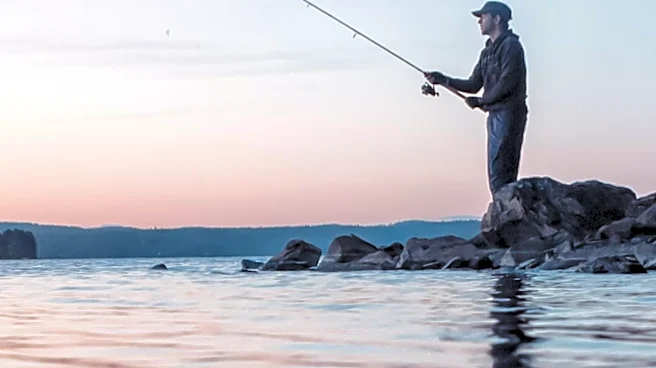
The Utah Wildlife Board has approved a comprehensive set of updates to fishing regulations for the 2027-28 season, alongside changes to elk hunting and other wildlife rules. These revisions, which followed a survey of angler feedback, aim to enhance conservation
efforts and improve fishing opportunities across the state. Key changes include allowing multiple methods for taking common carp, fathead minnow, redside shiner, Utah chub, Utah sucker, and white sucker in most open waters. The board also clarified spearfishing reopening times and reduced daily limits for largemouth bass in eight community ponds along the Wasatch Front to mitigate overfishing. Significantly, 14 native fish species, including Bear Lake sculpin and bluehead sucker, will be reclassified as game fish with a zero daily limit to boost conservation. Additionally, the use of certain dead fish as bait, such as mountain sucker and longnose dace, has been removed from the approved list.
Why It's Important?
These regulatory changes are important for the ecological health of Utah's aquatic ecosystems and the sustainability of its recreational fishing industry. By reclassifying native fish species as game fish with a zero daily limit, the Utah Wildlife Board is taking a proactive step to protect vulnerable populations, which is crucial for maintaining biodiversity. The adjustments to daily limits in heavily fished areas, like the Wasatch Front community ponds, reflect an adaptive management approach to ensure long-term recreational opportunities. The modifications to bait regulations and methods of take for certain species are designed to control invasive or overpopulated species while safeguarding others. These decisions impact not only the state's fish populations but also the thousands of anglers who contribute to Utah's economy through licenses, gear purchases, and tourism, ensuring that fishing remains a viable and enjoyable activity for future generations.
What's Next?
The approved fishing regulation changes will be implemented for the 2027-28 fishing season. Anglers and other stakeholders will need to familiarize themselves with the new rules, which will be detailed in official Utah Division of Wildlife Resources publications. The reclassification of native fish species and changes to daily limits will require public awareness campaigns to ensure compliance and understanding of the conservation goals. The DWR will continue to monitor fish populations and angler impact, potentially leading to further adjustments in future seasons. The board also approved amendments to elk hunting regulations for the 2027 season, including more flexibility in weapon splits for certain units and changes to permit caps, which will affect hunters planning for upcoming seasons. Additionally, updates to amphibian and reptile collection rules and various fee changes, such as an increase in the aquatic invasive species decal fee, will take effect.
Beyond the Headlines
Beyond the immediate impact on fishing and hunting, these regulatory updates reflect a broader shift towards more dynamic and ecologically informed wildlife management in Utah. The emphasis on protecting native species and adapting to angler feedback demonstrates a commitment to balancing recreational interests with conservation imperatives. The changes also highlight the ongoing challenge of managing human interaction with natural resources in a growing state, where urban development and recreational demand can put pressure on wildlife populations. The DWR's approach, incorporating public surveys and scientific review, underscores the importance of community engagement in conservation efforts. This comprehensive overhaul of regulations could serve as a model for other states facing similar challenges, promoting sustainable practices that benefit both wildlife and outdoor enthusiasts in the long run.