


What's Happening?
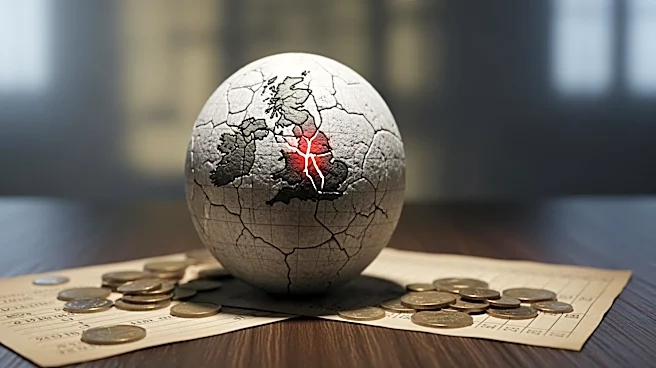
Ten years after the United Kingdom voted to leave the European Union, Brexit continues to shape the country's political and economic landscape. The 2016 referendum, which saw 52% of voters opting to leave the EU, marked a significant shift in the UK's
relationship with Europe. The process of exiting the EU took nearly five years, and while Brexit supporters anticipated long-term benefits such as greater control over policies and immigration, the immediate economic impacts have been challenging. The UK economy has not experienced the revitalization promised by Brexit advocates, and businesses face new obstacles in trading with EU countries. Despite the absence of tariffs, non-tariff barriers like customs paperwork and visa restrictions have complicated trade. Additionally, the political scene in the UK has been affected, with declining support for traditional parties and a rise in popularity for the Reform UK party, led by Nigel Farage.
Why It's Important?
The ongoing effects of Brexit are significant for both the UK and its trading partners. Economically, the UK is reportedly between 4% and 8% smaller than it might have been if it had remained in the EU, impacting living standards and public services funding. Politically, Brexit has led to a fractured landscape, with traditional parties losing ground to new movements. The issue of immigration, a central theme of the Brexit campaign, remains contentious, with mixed outcomes on border control and a rise in non-EU migration. The UK's future relationship with the EU and its global standing are still in flux, affecting international trade and diplomatic relations.
What's Next?
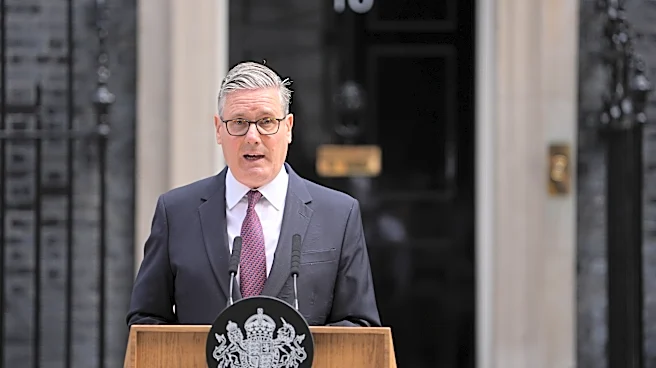
The UK government, under the Labour Party, is attempting to reset relations with the EU, focusing on easing trade barriers. A summit with the EU is planned, where further measures may be announced. However, political instability persists, with potential leadership changes on the horizon. The public sentiment towards Brexit is also shifting, with a growing number of citizens expressing regret over the decision and interest in rejoining the EU. These dynamics suggest that the UK's political and economic strategies will continue to evolve in response to both domestic pressures and international developments.
Beyond the Headlines
Brexit's long-term implications extend beyond immediate economic and political challenges. Culturally, the decision to leave the EU has sparked debates about national identity and the UK's role on the global stage. The shift in immigration policies has also influenced societal attitudes towards diversity and integration. As the UK navigates its post-Brexit reality, these deeper issues will likely continue to influence public discourse and policy-making.