





What's Happening?
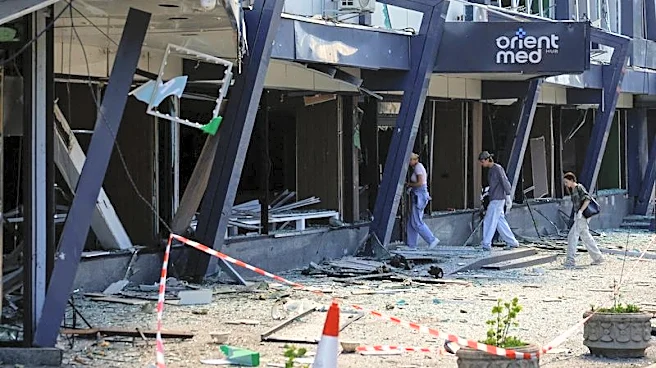
The ongoing conflict between Russia and Ukraine has highlighted the strategic importance of air defense systems, particularly in the face of large-scale missile and drone attacks. A recent attack by Russia on June 1-2 involved 729 aerial targets, including
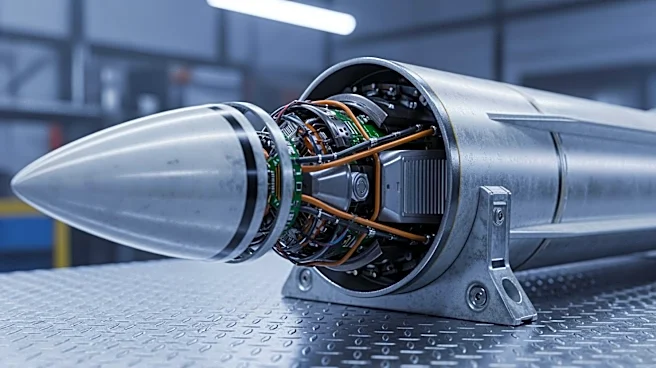
73 missiles and 656 drones, with Ukrainian defenses successfully neutralizing 642 of them. This situation underscores the increasing reliance on the production and deployment of interceptors to maintain a strategic balance. The United States has responded by expanding production capabilities, with Lockheed Martin delivering over 600 PAC-3 MSE interceptors in 2025. However, the demand for these systems is global, and production lead times remain a challenge.
Why It's Important?
The conflict has significant implications for U.S. and European defense industries, as they must ramp up production to meet the growing demand for interceptors. This demand is not only driven by the need to support Ukraine but also by the broader strategic necessity to counter potential threats. The ability to produce interceptors at a rate that matches or exceeds the threat is crucial for maintaining security and stability. The situation also highlights the importance of industrial policy in defense, as production lines, supplier networks, and technology controls become critical components of military strategy.
What's Next?
Looking ahead, the U.S. and European defense sectors will need to continue expanding their production capabilities to meet the ongoing demand for interceptors. This may involve increasing investments in technology and infrastructure to reduce lead times and enhance production efficiency. Additionally, there may be a need for closer collaboration between the U.S. and European defense industries to ensure a coordinated response to the evolving threat landscape. The strategic focus will likely remain on balancing the production of interceptors with the ability to strike at the source of missile threats, such as launchers and production facilities.
Beyond the Headlines
The conflict has broader implications for global security and defense policy. It highlights the need for a comprehensive approach that combines military capabilities with industrial and technological advancements. The reliance on foreign-made components in Russian missiles also underscores the importance of enforcing sanctions and controlling technology exports. As the conflict continues, the U.S. and its allies will need to navigate complex geopolitical dynamics while ensuring that their defense industries are equipped to respond to emerging threats.