
What's Happening?
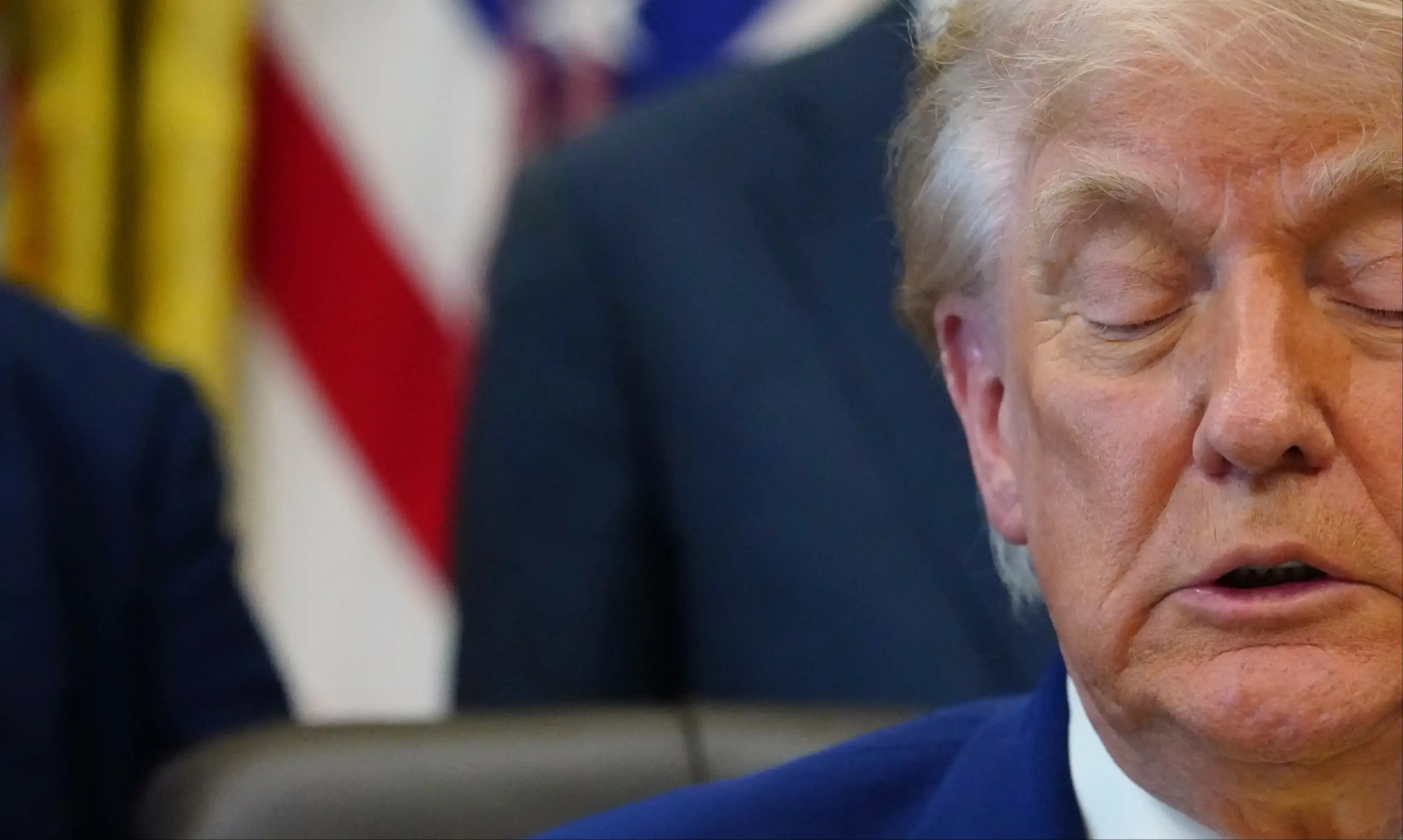
President Trump has proposed cutting funding for the Chemical Safety and Hazard Investigation Board (CSB), a federal agency responsible for investigating chemical disasters and recommending safety improvements.
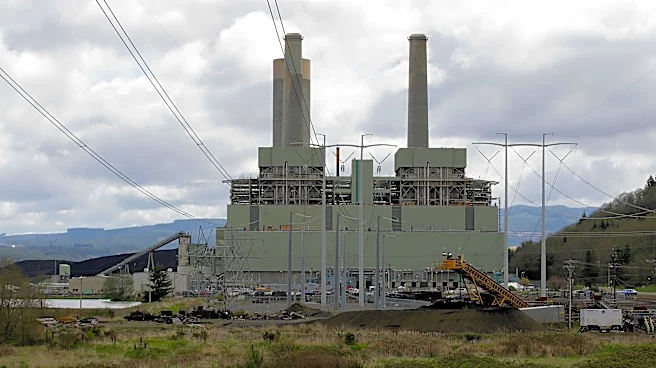
This proposal comes in the wake of a recent chemical leak at the Ames Goldsmith plant in West Virginia, which resulted in fatalities and injuries. The CSB, established through amendments to the Clean Air Act in 1990, has been instrumental in probing chemical incidents and suggesting preventative measures. Critics argue that dismantling the CSB could leave states like West Virginia, with a history of industrial chemical incidents, more vulnerable to future disasters. The White House claims the CSB's functions overlap with those of the Environmental Protection Agency and the Occupational Safety and Health Administration, suggesting its elimination would streamline government operations.
Why It's Important?
The potential elimination of the CSB raises significant concerns about industrial safety and regulatory oversight in the U.S. The board has played a crucial role in identifying root causes of chemical disasters and recommending changes to prevent future incidents. Without the CSB, there may be a gap in safety oversight, particularly in regions with a high concentration of chemical facilities. This move could also signal a broader trend of reducing regulatory oversight, as seen with proposed budget cuts to other worker protection agencies like OSHA. The decision could impact not only worker safety but also the surrounding communities, often low-income and minority groups, who are disproportionately affected by chemical incidents.
What's Next?
The proposal to eliminate the CSB will likely face opposition in Congress, where past attempts to cut the agency have been rejected. Lawmakers, particularly those from states with significant chemical industries, may push back against the proposal, citing the board's importance in ensuring industrial safety. The debate over the CSB's future could also influence broader discussions on regulatory oversight and government efficiency. Stakeholders, including worker advocacy groups and environmental organizations, are expected to lobby for the board's preservation, emphasizing its role in preventing chemical disasters.