






What's Happening?
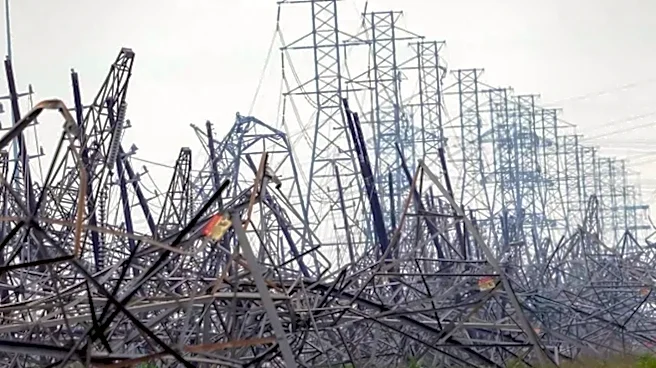
A study published in Nature Energy by researchers from Cambridge and Hong Kong indicates that electricity grids in several European countries are at significant risk of failure due to intensifying heatwaves. The research simulated future summer conditions
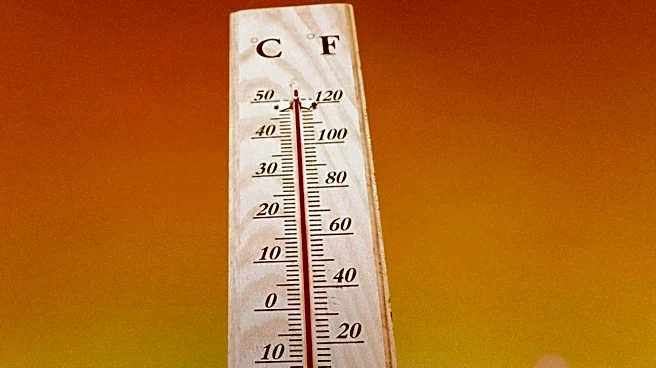
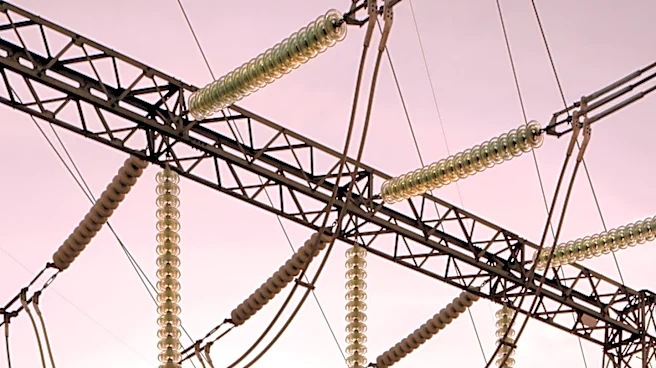
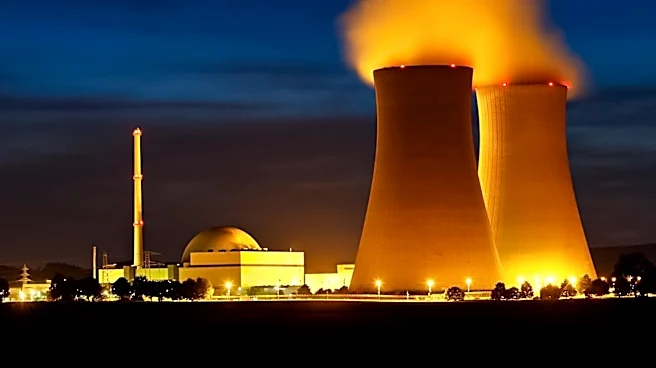
on the networks of eight European nations, identifying Italy, Spain, and France as the most vulnerable to load shedding, which involves intentional power interruptions to prevent wider network collapse. The study highlights that during extreme heat, electricity demand surges due to increased air conditioning use, while supply diminishes as solar panels become less efficient and power plants, including nuclear facilities, reduce output to avoid overheating. Additionally, high temperatures can cause high-voltage power lines to sag and exceed their temperature limits, forcing operators to reduce current flow and creating 'hidden bottlenecks' that existing models often miss. The researchers project that before 2030, a European utility will likely shut off power to an entire region due to heatwave-induced stress on the grid.
Why It's Important?
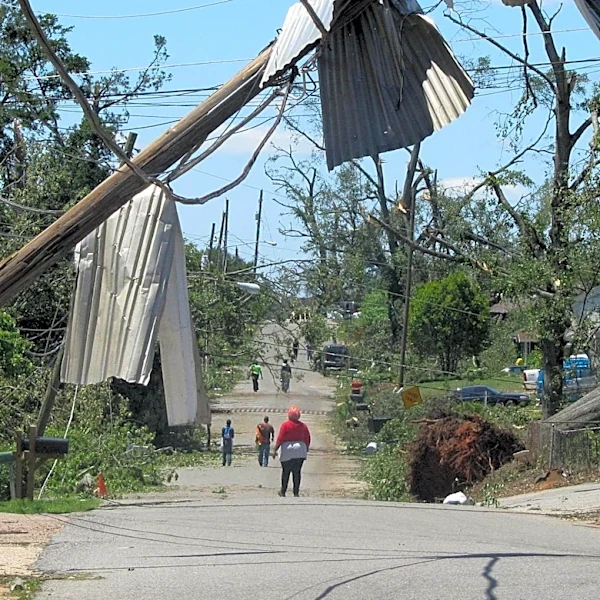
The findings underscore a critical vulnerability in Europe's energy infrastructure, with direct implications for public safety, economic stability, and daily life. Widespread power outages during heatwaves can lead to severe health crises, particularly for vulnerable populations lacking access to cooling. Economically, such disruptions can halt industrial operations, disrupt supply chains, and cause significant financial losses across various sectors. The study also reveals the limitations of current cross-border energy sharing, as heatwaves often affect multiple countries simultaneously, diminishing the ability of neighboring nations to provide assistance. This situation necessitates urgent investment in grid modernization, enhanced energy storage solutions, and the development of heat-resistant infrastructure to mitigate the escalating risks posed by climate change. The potential for regional blackouts could also trigger political and social unrest, as governments struggle to maintain essential services and ensure citizen well-being during extreme weather events.
What's Next?
To address the identified vulnerabilities, the study's authors suggest several countermeasures. These include strategically placing energy storage facilities near high-consumption urban centers, rebuilding critical power lines with conductors capable of withstanding higher temperatures, and even applying reflective paint to cables to reduce heat absorption. The research group has made its analytical tool, HEAT-Analysis, open-source, allowing network operators to upload confidential data and identify their grid's weak points. Furthermore, the authors advocate for conducting stress tests during summer peak demand periods, in addition to the traditional winter peak assessments. The findings are expected to prompt European utilities and policymakers to accelerate investments in grid resilience and climate adaptation strategies. International cooperation on energy infrastructure planning and emergency response protocols will also likely become more critical as heatwaves continue to intensify across the continent.
Beyond the Headlines
The study's implications extend beyond immediate grid stability, touching upon broader issues of climate change adaptation and energy policy. The increasing frequency and intensity of heatwaves challenge the long-held assumptions about energy demand and supply reliability, forcing a re-evaluation of existing infrastructure design and operational protocols. The concept of 'hidden bottlenecks' highlights the need for more sophisticated modeling and predictive analytics in grid management, moving beyond single-problem analyses to integrated system-wide assessments. Ethically, the potential for load shedding raises questions about equitable access to power during crises, particularly for essential services and vulnerable communities. Long-term, this research reinforces the urgency of transitioning to more resilient and sustainable energy systems, including diversified renewable energy sources that are less susceptible to extreme heat, and developing advanced smart grid technologies to manage fluctuating demand and supply more effectively. The findings serve as a stark reminder that climate change impacts are not just environmental but deeply intertwined with critical infrastructure and societal well-being.