





What's Happening?
Australia is ramping up biosecurity measures in residential areas as the H5N1 bird flu outbreak continues to spread. Pet and poultry owners are being urged to take precautions to protect their animals, as the virus has been confirmed in 231 cases, primarily
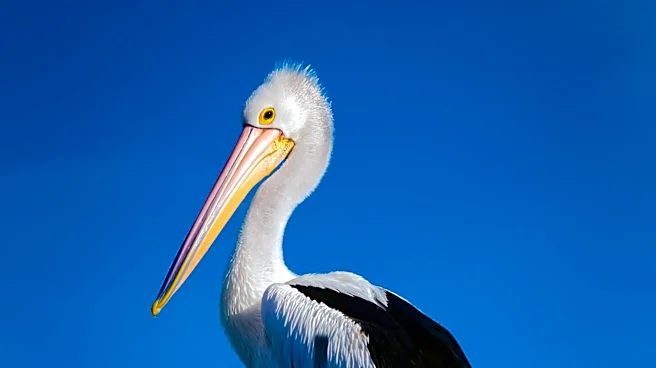
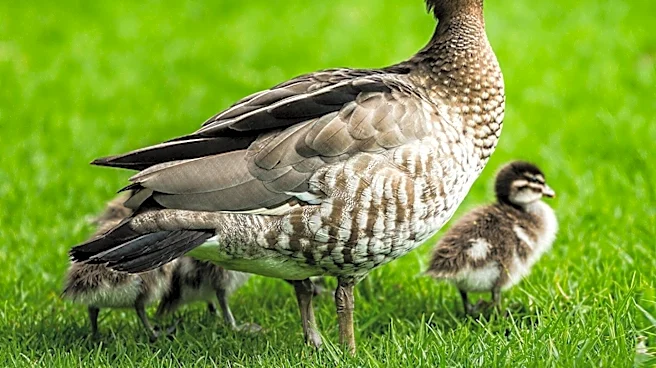
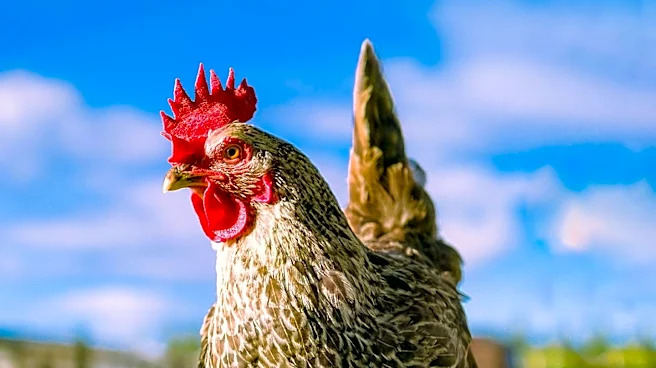
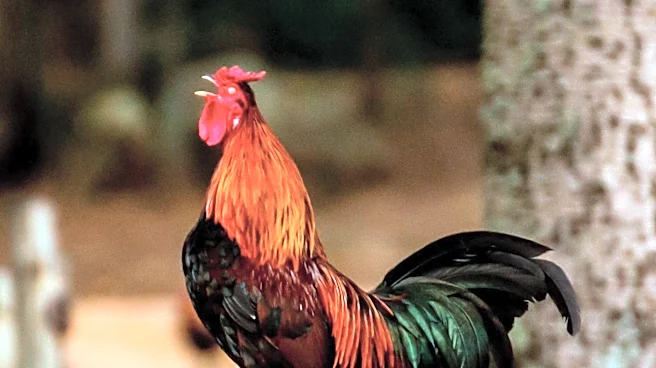
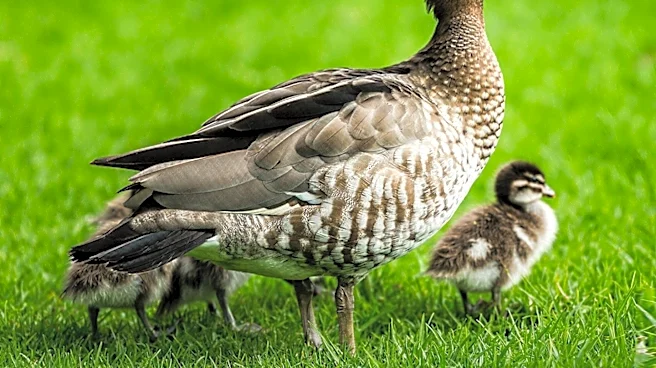
in South Australia. Authorities emphasize the importance of keeping domestic animals, such as cats and poultry, away from wild birds to prevent the virus from spreading. The government has invested over $113 million in H5 preparedness as part of a larger biosecurity initiative. Public awareness campaigns are encouraging people to report sick or dead birds to a national hotline.
Why It's Important?
The focus on backyard biosecurity highlights the critical role of individual actions in managing public health threats. By encouraging pet and poultry owners to implement preventive measures, the government aims to reduce the risk of the virus spreading to domestic animals and potentially humans. This approach underscores the interconnectedness of wildlife, domestic animals, and human health, emphasizing the need for comprehensive biosecurity strategies. The initiative also reflects the importance of public engagement and education in addressing zoonotic diseases, which can have significant ecological and economic impacts.
What's Next?
Authorities will continue to monitor the situation and provide guidance to pet and poultry owners on best practices for biosecurity. The government may expand public awareness campaigns to ensure widespread compliance with preventive measures. Collaboration with local communities and conservation groups will be essential in maintaining vigilance and reporting new cases. The success of these efforts could inform future biosecurity policies and enhance Australia's preparedness for similar outbreaks. Ongoing research and data collection will be crucial in understanding the virus's behavior and developing effective interventions.