





What's Happening?
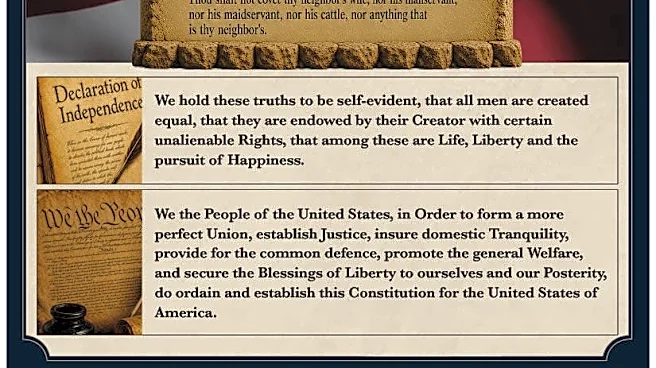
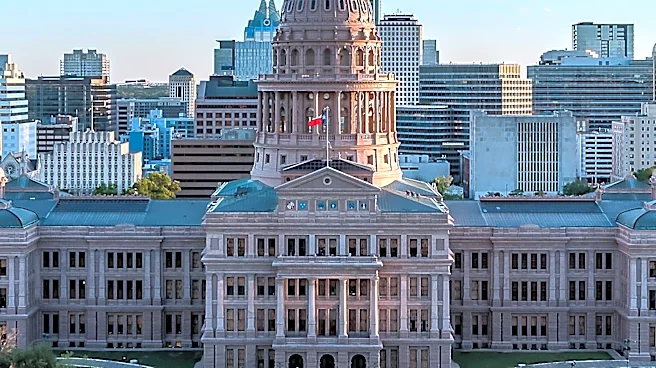
The American Civil Liberties Union (ACLU), representing over two dozen Texas families, has formally requested the Supreme Court to review the constitutionality of a Texas law that requires the display of the Ten Commandments in public school classrooms.
This law, which took effect nearly a year ago, has been upheld by a 9-7 vote from the 5th U.S. Circuit Court of Appeals in April. Similar legislation has also been enacted in Louisiana, Arkansas, and Alabama. Supporters of the law, such as Texas mom Brittany McFarland, argue it helps reintroduce religious discussion into schools, which they feel has become taboo. Conversely, families involved in the lawsuit, including Rebekah and Ted Lowe, contend that the law imposes a specific religious belief, undermining parents' ability to direct their children's religious education and potentially sending a message that their home-taught religious values are incorrect. The ACLU emphasizes that this issue has nationwide importance due to similar laws being considered in other states, and they seek a clear Supreme Court ruling that singling out scripture for display in public schools violates the First Amendment.
Why It's Important?
This legal challenge is significant as it directly addresses the separation of church and state within the U.S. public education system, a foundational principle of the First Amendment. A Supreme Court review could establish a precedent for how religious texts are treated in public schools nationwide, impacting similar laws in other states and potentially influencing future legislative efforts. The outcome will determine the extent to which religious displays are permissible in public educational settings, affecting students from diverse religious and non-religious backgrounds. For families, it touches upon parental rights in guiding their children's religious upbringing versus state-mandated religious exposure. A ruling against the Texas law would reinforce the secular nature of public education, while an affirmation could open the door for more religious displays in schools, potentially leading to increased debates and legal challenges across the country regarding religious freedom and educational policy.
What's Next?
The Supreme Court will now consider the ACLU's request for review. If the Court agrees to hear the case, it will set a date for oral arguments, and a decision would likely follow in the subsequent term. Should the Supreme Court decline to hear the case, the 5th U.S. Circuit Court of Appeals' ruling upholding the Texas law would stand, allowing the Ten Commandments to remain displayed in Texas public school classrooms. This could encourage other states with similar legislative interests to proceed with or strengthen their own laws. Regardless of the Supreme Court's decision, the issue is likely to continue to be a point of contention, potentially leading to further advocacy and legal actions from both proponents and opponents of religious displays in public schools.
Beyond the Headlines
Beyond the immediate legal implications, this case highlights a broader cultural and ideological struggle within the United States concerning the role of religion in public life and institutions. It reflects ongoing tensions between those who advocate for a more prominent place for religious expression in public spaces, often citing historical or moral justifications, and those who prioritize strict adherence to the separation of church and state to protect religious freedom for all, including those with no religious affiliation. The debate also touches on the perceived erosion of traditional values versus the need for inclusive and neutral public spaces. The outcome could influence how public schools approach curriculum development, classroom environment, and the accommodation of diverse student populations, potentially shaping the educational experience for millions of American children and reinforcing or challenging existing societal norms regarding religious pluralism.