





What's Happening?
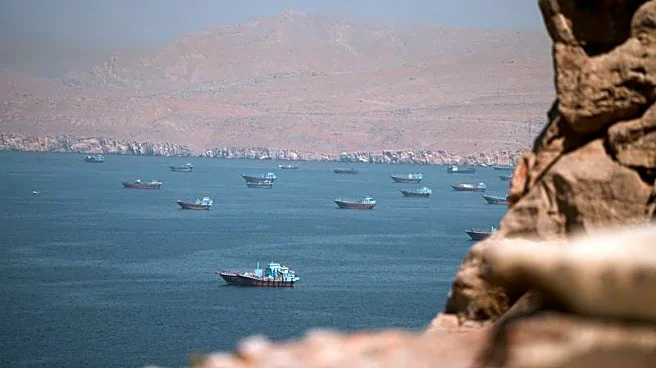
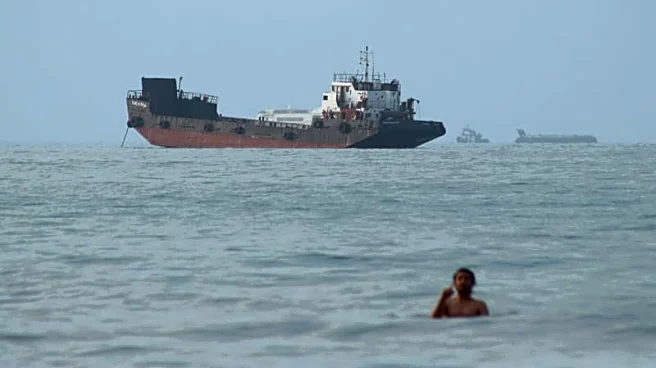
Scientists warn of a potential ecological 'superspreader' event as over 1,500 ships remain idle in the Strait of Hormuz due to geopolitical tensions. The prolonged idling of these vessels has led to the colonization of their hulls by marine organisms,
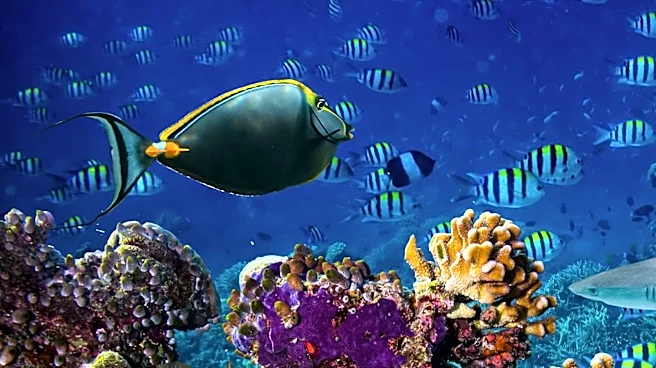
which could spread invasive species globally once the ships resume movement. The study, published in Biological Invasions, highlights the risk of these organisms disrupting local ecosystems and spreading diseases. The situation is exacerbated by the ongoing Iran War, which has restricted shipping traffic through this critical waterway.
Why It's Important?
The potential spread of invasive species from the Strait of Hormuz poses significant environmental and economic risks. Invasive species can outcompete native species, disrupt ecosystems, and cause substantial economic damage, as seen with zebra mussels in the Great Lakes. The spread of diseases by these organisms could also impact human health and fisheries. Addressing this issue is crucial to prevent long-term ecological damage and protect global marine biodiversity.
What's Next?
To mitigate the risk of a 'superspreader' event, researchers suggest cleaning ships in the water before they leave the Gulf region. Implementing monitoring networks and early detection systems at high-risk ports could also help limit the spread of invasive species. These measures are essential to prevent ecological and economic impacts as shipping activities resume.