





What's Happening?
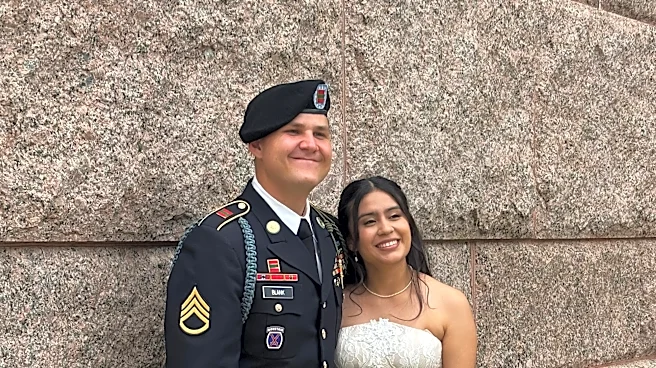
Annie Ramos, the Honduran-born wife of a U.S. Army staff sergeant, was released from federal immigration detention after nearly a week in custody. Her detention on a Louisiana military base sparked public criticism of the Trump administration's immigration policies,
which have been accused of demoralizing troops. Ramos, who has lived in the U.S. since she was a child, was detained while attempting to register for military benefits. She had been ordered removed in 2005 after her family missed a court hearing. Despite her efforts to gain legal status, including applying for DACA, her application was stalled. Following her release, Ramos expressed her desire to continue her education and live with dignity in the U.S. Her case highlights the administration's stricter immigration enforcement, even affecting military families.
Why It's Important?
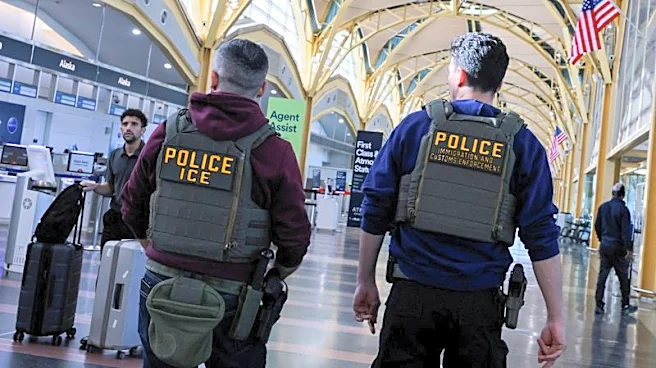
The release of Annie Ramos underscores the contentious nature of immigration policies under the Trump administration, particularly those affecting military families. The incident has drawn attention to the broader implications of strict immigration enforcement, which critics argue undermines military morale and recruitment efforts. The case also highlights the challenges faced by individuals seeking legal status in the U.S., especially those with longstanding ties to the country. The public backlash and involvement of political figures like Senator Mark Kelly indicate significant opposition to these policies, which could influence future immigration reforms and military recruitment strategies.
What's Next?
Ramos will continue to undergo removal proceedings while wearing a GPS monitor, as confirmed by Homeland Security. Her case may prompt further scrutiny of immigration policies affecting military families, potentially leading to policy reviews or legislative action. The situation also raises questions about the future of DACA and other immigration programs under ongoing legal challenges. As public and political pressure mounts, there may be increased advocacy for more lenient policies towards military families and long-term residents seeking legal status.