




What's Happening?
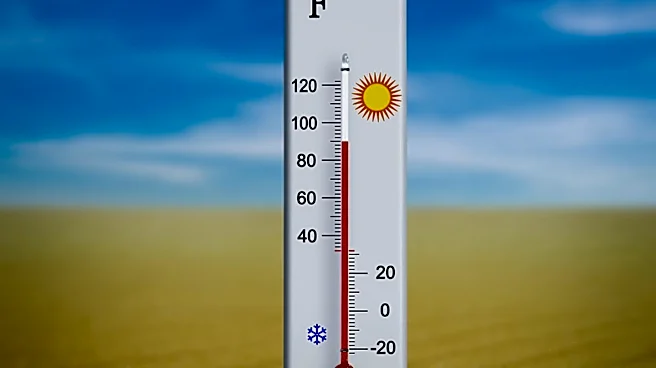
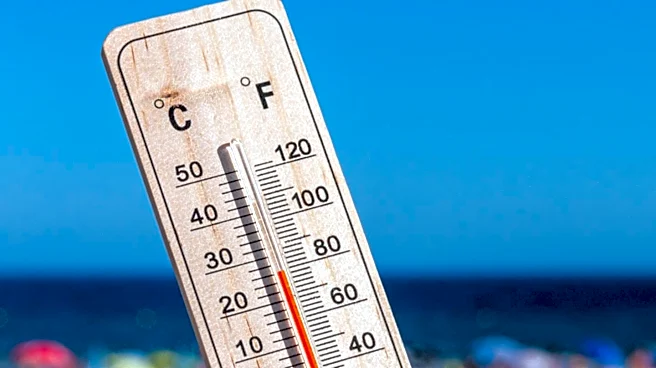
The National Oceanic and Atmospheric Administration (NOAA) has reported that July 2026 was the hottest month ever recorded in the United States, with temperatures averaging 3.3 degrees Fahrenheit above the 20th-century average. This record-breaking heat
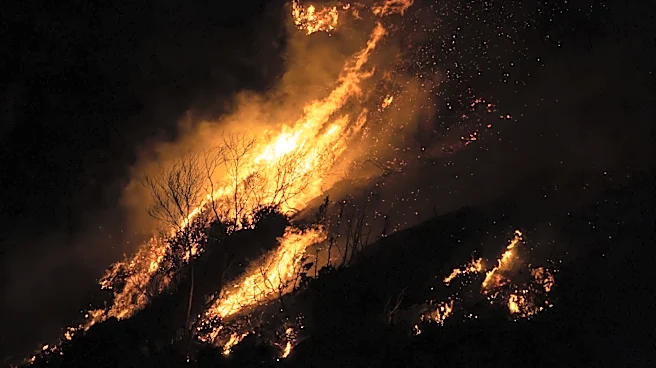
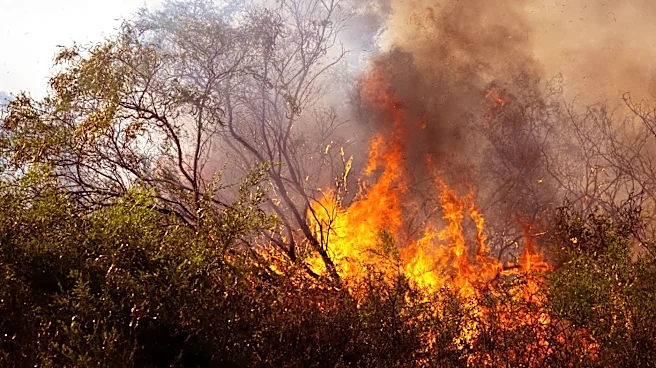
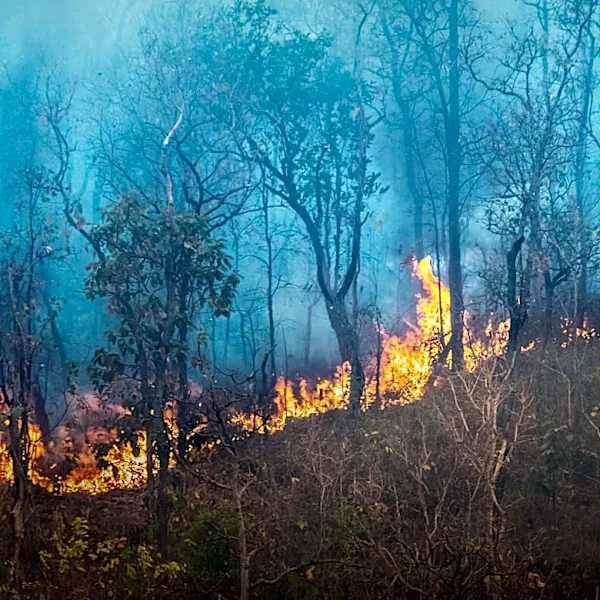
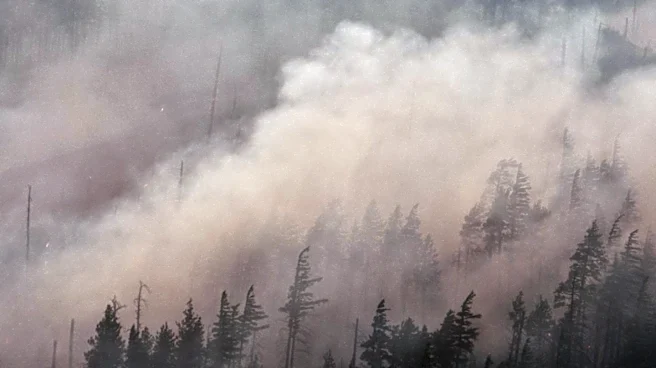
was characterized by intense heat domes across the country, leading to wildfires in the Pacific Northwest and Canada. The extreme temperatures are attributed to long-term climate change and a rapidly intensifying El Niño event.
Why It's Important?
The record-breaking heat in July 2026 highlights the growing impact of climate change on weather patterns in the United States. The increased frequency and intensity of heat waves pose significant risks to public health, agriculture, and infrastructure. As temperatures continue to rise, there is an urgent need for policies and measures to mitigate the effects of climate change and adapt to new environmental realities. The situation underscores the importance of global efforts to reduce greenhouse gas emissions and transition to sustainable energy sources.
What's Next?
In response to the extreme heat, policymakers and environmental organizations may push for more aggressive climate action, including stricter emissions regulations and increased investment in renewable energy. Public awareness campaigns and community initiatives could also play a role in promoting sustainable practices and resilience to climate impacts. As the effects of climate change become more pronounced, collaboration between governments, businesses, and civil society will be crucial in addressing the challenges ahead.
Beyond the Headlines
The record heat in July 2026 serves as a reminder of the interconnectedness of global climate systems. The intensifying El Niño event, which contributed to the high temperatures, highlights the complex interactions between natural climate variability and human-induced climate change. Understanding these dynamics is essential for developing effective strategies to combat climate change and protect vulnerable communities.