





What's Happening?
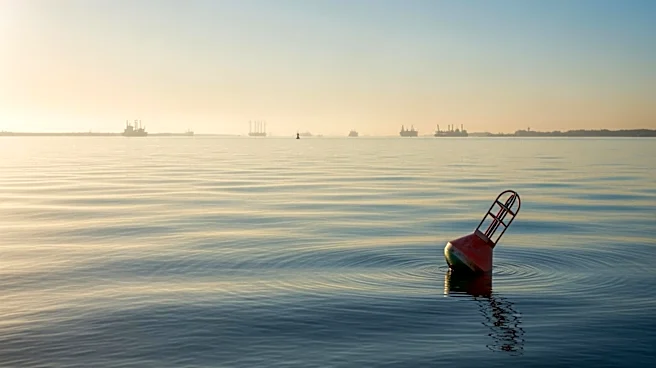
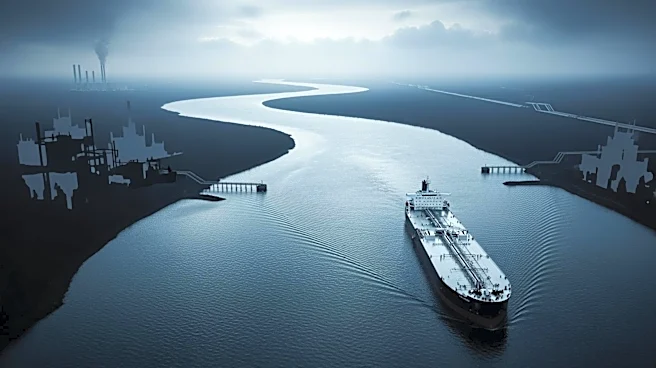
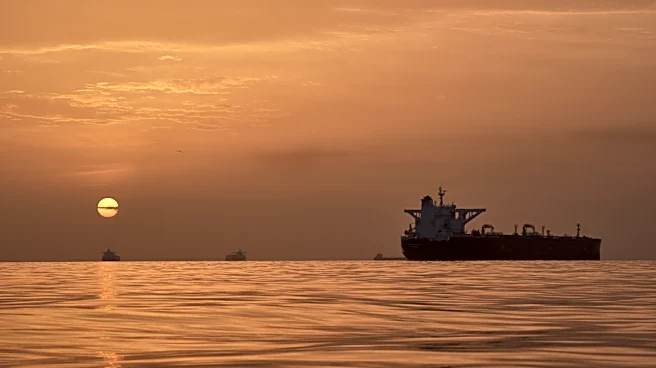
Iran is nearing a critical point as it runs out of space to store oil due to a U.S. naval blockade in the Strait of Hormuz, led by President Trump. The blockade could cause irreversible damage to Iran's oil fields, a vital part of its economy. Satellite
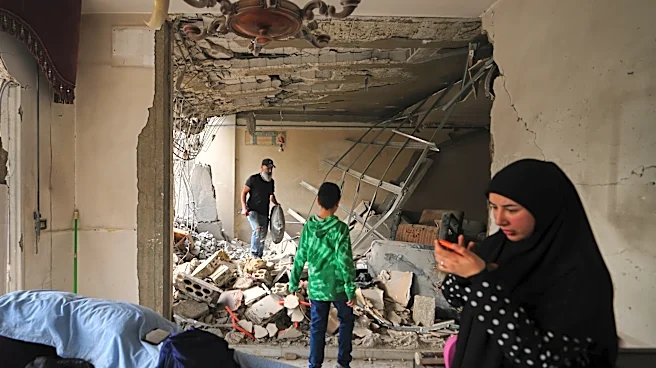
imagery shows supertankers at Kharg Island, a key oil hub, being used as floating storage. Iran's attempts to bypass the blockade have been thwarted, with several tankers turned back. Experts warn that shutting down oil production could lead to permanent damage, reducing Iran's output capacity significantly. The situation is exacerbated by the ongoing conflict, which has already disrupted global oil supplies.
Why It's Important?
The blockade and potential damage to Iran's oil fields have significant implications for global oil markets, potentially leading to higher fuel prices. The situation highlights the geopolitical tensions in the region and the strategic importance of the Strait of Hormuz, a critical chokepoint for global oil transport. The blockade is part of broader U.S. efforts to pressure Iran into negotiations, impacting international relations and regional stability. The potential loss of Iranian oil production capacity could have long-term effects on the global energy supply and market dynamics.
What's Next?
Iran faces a deadline to address its storage capacity issues, with potential consequences for its economy and oil industry. The U.S. may continue to use the blockade as leverage in negotiations, while Iran seeks ways to mitigate the impact. The international community will likely monitor the situation closely, given its implications for global energy markets and regional security. The outcome could influence future diplomatic efforts and strategies in dealing with Iran and similar geopolitical challenges.