
What's Happening?
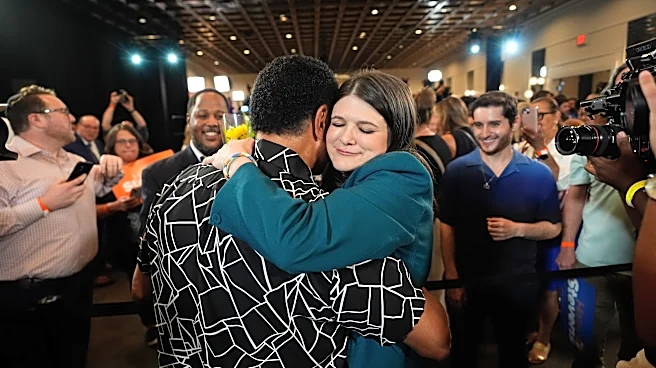
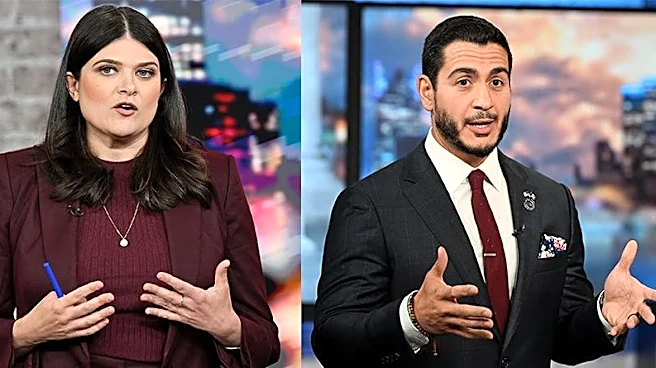
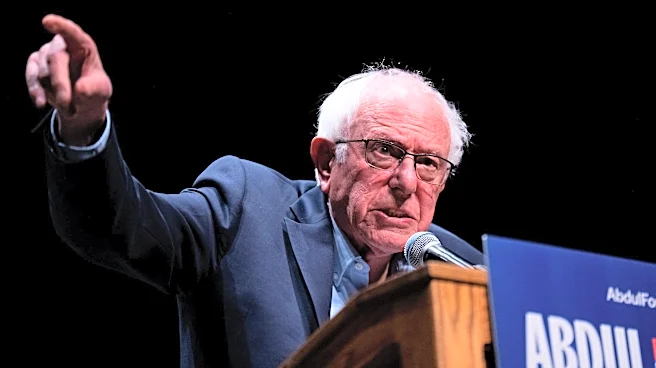
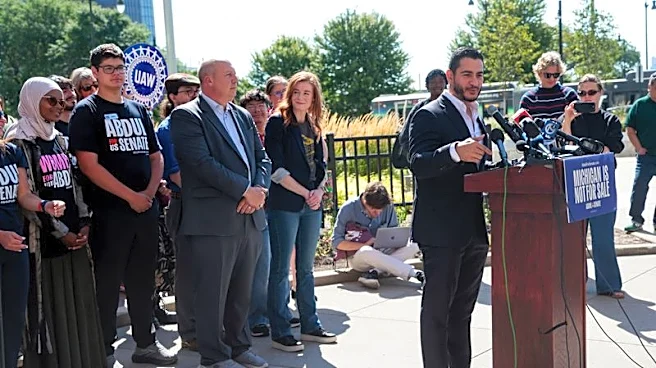
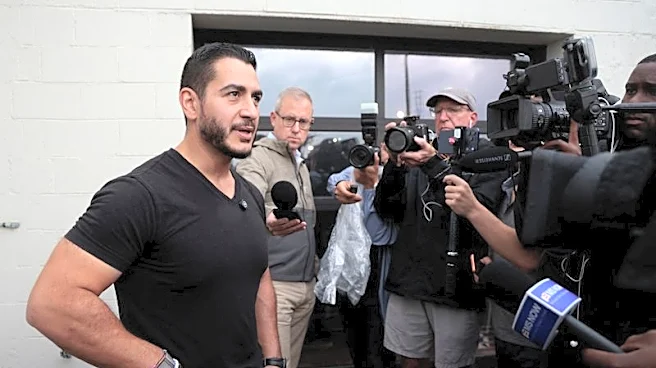
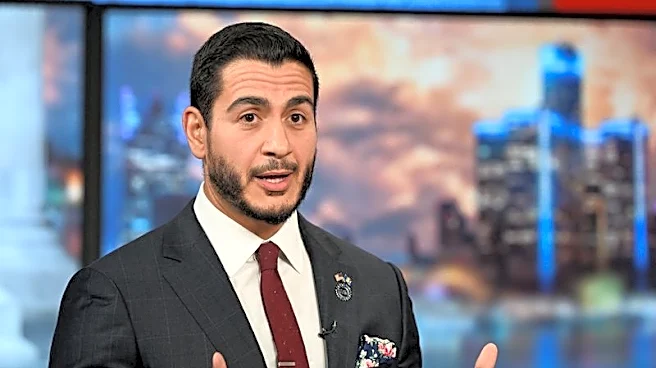
Dr. Abdul El-Sayed, a Rhodes scholar and former public health official, has won the Democratic primary for Michigan's Senate seat. His victory marks a significant moment for the progressive wing of the Democratic Party, as he defeated Haley Stevens, who
was backed by Chuck Schumer, the senior Democrat in Congress. El-Sayed, known for his outspoken views and willingness to challenge both the Left and Right, has become a prominent figure in the American hard-Left. His academic background includes a degree from the University of Oxford and a medical degree from Columbia University. Despite his medical training, El-Sayed chose a career in public health epidemiology, where he gained national recognition for his work in Detroit. His political career began with a run for Michigan governor in 2018, and now he faces a significant test in the upcoming November elections.
Why It's Important?
El-Sayed's victory highlights the growing influence of progressive politics within the Democratic Party, which is increasingly divided between its traditional center-left base and a younger, more progressive faction. His win could signal a shift in the party's direction, potentially impacting its policy priorities and electoral strategies. El-Sayed's views, particularly on issues like U.S. assistance to Israel, have sparked controversy and could influence the party's stance on foreign policy. His success may encourage other progressive candidates to challenge established party figures, potentially reshaping the Democratic landscape. This development is crucial for understanding the evolving dynamics within the party and its future electoral prospects.
What's Next?
As El-Sayed prepares for the general election in November, he will need to consolidate support from both progressive and moderate Democrats to secure a Senate seat. His campaign will likely focus on addressing public health issues, social justice, and economic inequality, themes that resonate with his progressive base. The Democratic Party will need to navigate internal tensions between its factions, balancing the demands of its progressive members with the need to appeal to a broader electorate. El-Sayed's candidacy will be a test of the party's ability to unify and present a cohesive platform in the face of internal and external challenges.