



What's Happening?
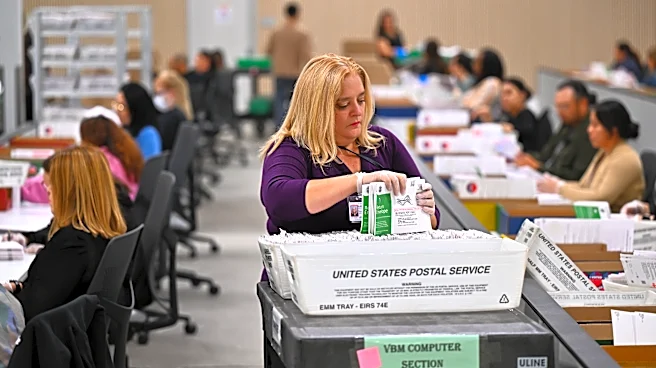
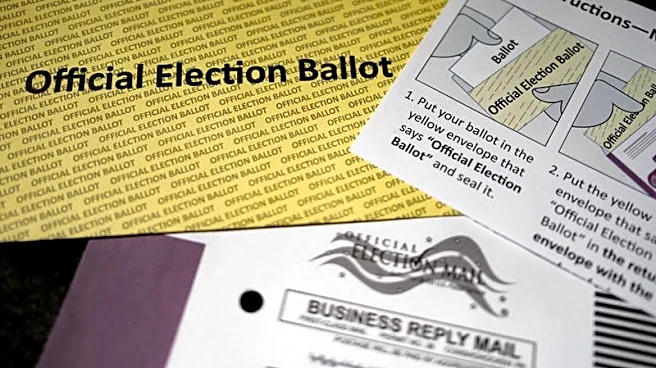
The U.S. Justice Department has announced its intention to deploy at least 1,000 federal officers to polling places during the upcoming midterm elections. While federal officer deployments at elections have occurred previously, typically to enforce voting
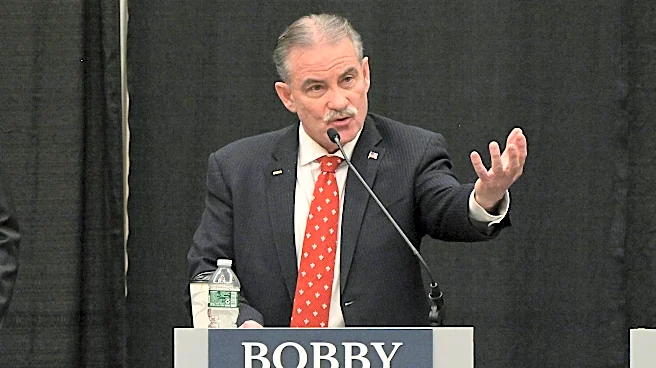
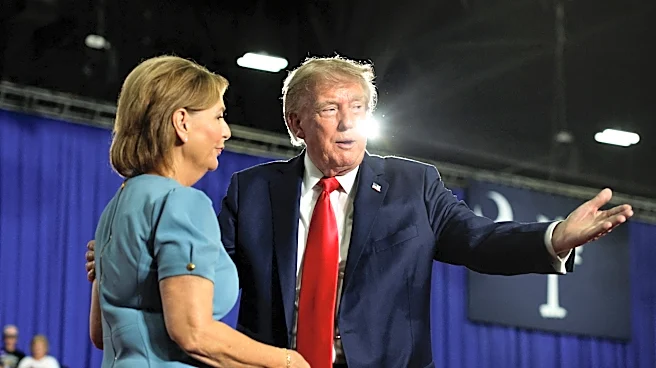
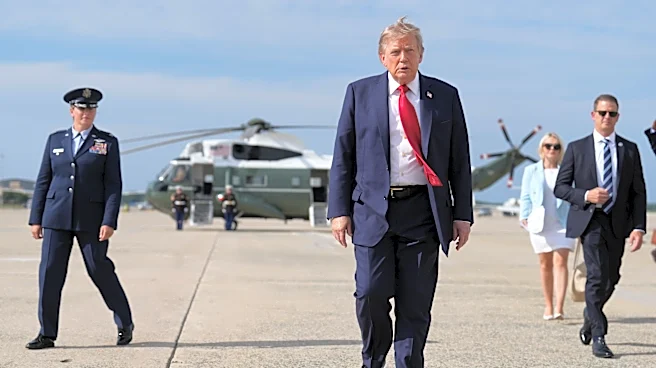
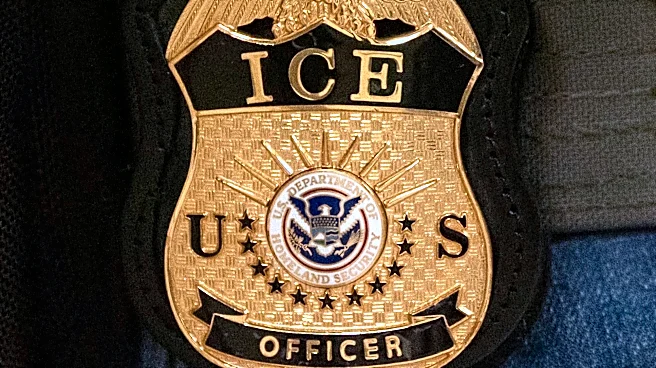
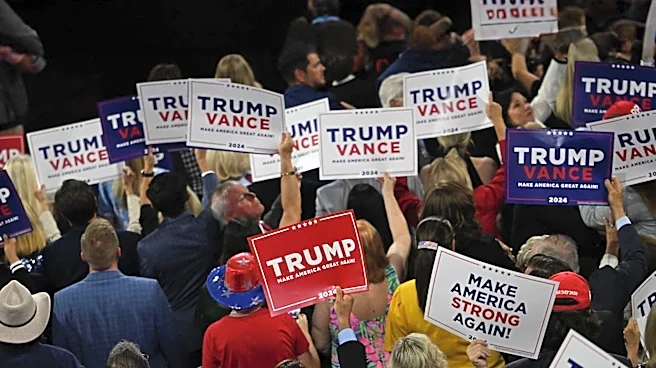
rights and prevent intimidation, the current administration, under President Trump, has framed this effort in a manner that has raised concerns about voter intimidation, particularly among naturalized immigrant and non-English speaking communities. Letters have been sent to local officials, warning them of potential criminal charges for allowing non-citizens to vote. U.S. Attorney General Todd Blanche and Director of Homeland Security Markwayne Millin have also supported the idea of deploying Immigration and Customs Enforcement (ICE) or other federal agents to polling locations. This initiative follows the administration's promotion of largely unsubstantiated claims regarding widespread non-citizen voting in U.S. elections.
Why It's Important?
This planned deployment is significant because it deviates from the traditional role of federal officers at polling places, which is to safeguard voting rights. The current framing by the Trump administration, coupled with the suggestion of deploying ICE agents, could lead to voter intimidation, especially for non-white U.S. voters who are disproportionately targeted by ICE. U.S. law prohibits federal agents from engaging in voter intimidation. The American Civil Liberties Union (ACLU) reported that in 2025, at least 155 U.S. citizens, including 32 children, across eight states were either detained, targeted, or subjected to immigration enforcement misconduct. Recent instances of ICE agents at a New York polling station and a Minnesota town hall, alongside the agency's involvement in rights abuses during protests, heighten these concerns. This situation challenges the principle of effective access to the democratic process for all eligible voters, as mandated by the International Covenant on Civil and Political Rights.
What's Next?
Local and state officials across the U.S. are expected to remain vigilant for any instances of voter intimidation and implement measures to ensure that every eligible voter can access the democratic process without hindrance. International human rights mechanisms and other governments are anticipated to monitor the situation closely and may condemn any actions by the U.S. government perceived as voter intimidation or violations of voting rights. The ongoing debate surrounding the deployment and its potential impact on voter turnout and fairness in the midterm elections will likely continue, with civil liberties organizations advocating for the protection of voters' rights. The legal and ethical implications of deploying federal agents, particularly ICE, to polling places will likely be a subject of continued scrutiny and potential legal challenges.
Beyond the Headlines
The controversy surrounding the deployment of federal officers to polling places touches upon deeper issues concerning the integrity of the U.S. electoral system and the balance between election security and voter access. The administration's rhetoric about non-citizen voting, despite being largely debunked, contributes to a climate of distrust and can disproportionately affect immigrant communities, regardless of their citizenship status. This situation highlights the potential for executive actions to influence the democratic process and raises questions about the role of federal agencies in domestic elections. It also underscores the ongoing tension between national security concerns and civil liberties, particularly for marginalized groups. The long-term implications could include a chilling effect on voter participation among certain demographics and a further erosion of public confidence in election fairness, potentially leading to increased polarization and challenges to election outcomes.