





What's Happening?
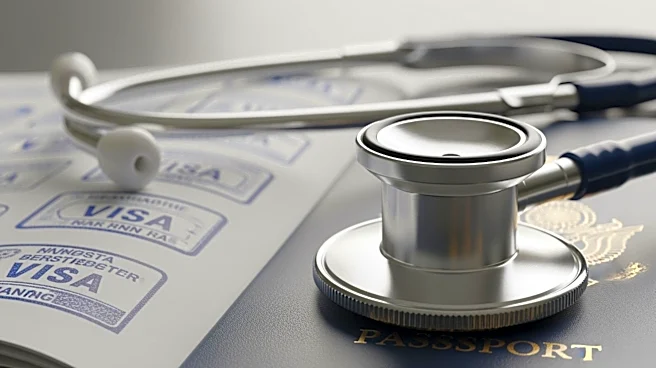
The U.S. government has lifted a hold on immigration applications for doctors, providing a potential lifeline for foreign-trained physicians facing visa and green card renewal challenges. This exemption comes amid a broader pause on immigration applications from
several high-risk countries, which has left many professionals, including researchers and entrepreneurs, in limbo. The exemption aims to address the shortage of doctors in underserved areas, but it does not guarantee visa renewals. Many applicants remain uncertain about the impact of this change, as processing delays and cancellations of interviews continue to pose challenges.
Why It's Important?
The exemption for doctors highlights the critical role foreign-trained physicians play in the U.S. healthcare system, particularly in rural and underserved areas. By allowing these professionals to continue their work, the U.S. aims to mitigate the impact of healthcare shortages. However, the ongoing pause on other immigration applications underscores the broader challenges faced by immigrants from high-risk countries, affecting their ability to work, access healthcare, and maintain legal status. This situation reflects the complexities of U.S. immigration policy and its implications for both the healthcare sector and the affected individuals.
What's Next?
The U.S. Citizenship and Immigration Services will need to address the backlog of applications and ensure timely processing to meet immigration deadlines. The broader pause on immigration applications remains in effect, affecting thousands of individuals from high-risk countries. As the situation evolves, immigration attorneys and advocacy groups will likely continue to push for further exemptions and policy changes to support affected immigrants. The outcome of these efforts will have significant implications for the U.S. healthcare system and the lives of those impacted by the current immigration policies.