





What's Happening?
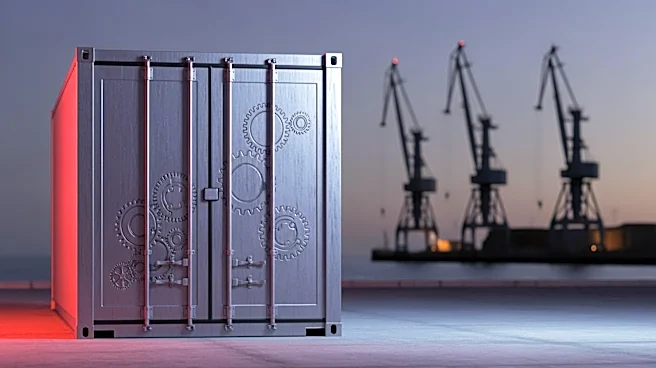
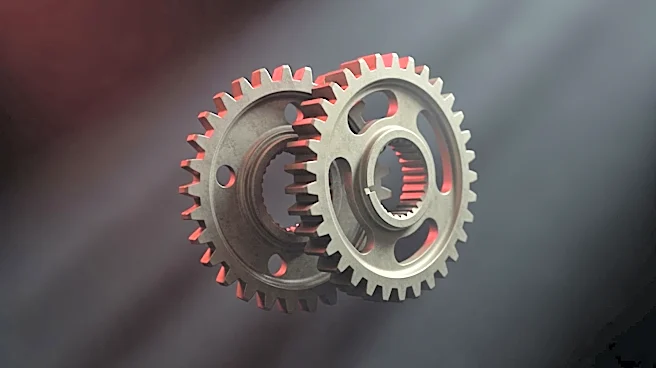
China has placed seven European Union entities, including major defense contractors and aerospace firms, on its export control list. This move bans these entities from receiving 'dual-use' items from China, which have potential military applications.
The decision follows EU sanctions on Chinese entities accused of aiding Russia and Belarus in circumventing Western sanctions. China's Ministry of Commerce stated that the measure aims to safeguard national security and fulfill international obligations. The targeted entities are involved in arms sales to Taiwan, and the action is seen as a response to EU measures against Chinese firms.
Why It's Important?
This development highlights the escalating tensions between China and the EU over arms sales to Taiwan and broader geopolitical issues. The export controls could impact the defense and aerospace industries in Europe, potentially disrupting supply chains and affecting business operations. The move also underscores China's strategic use of trade policies to exert pressure on international partners. For the U.S., this situation could influence its own trade and diplomatic relations with both China and the EU, as it navigates its stance on Taiwan and global security dynamics.
What's Next?
The EU may respond to China's export controls with further diplomatic or economic measures, potentially escalating the situation. European defense firms will need to assess the impact on their operations and explore alternative supply chains. The U.S. and other international stakeholders will closely monitor the situation, as it could affect global trade dynamics and security alliances. Future negotiations between China and the EU may focus on resolving these trade tensions and addressing underlying geopolitical concerns.