


What's Happening?
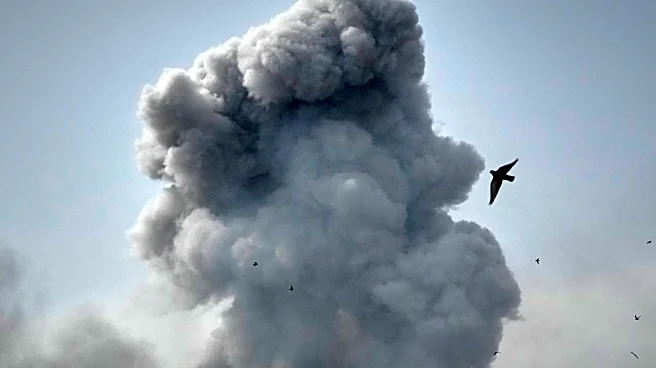
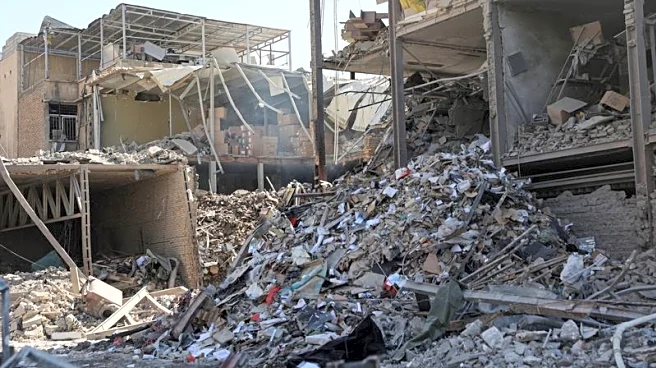
Poya Sohrabi, a Massachusetts resident, is anxiously waiting for news from his family in Tehran, Iran, following recent attacks in the region. According to a report by WBZ-TV, Sohrabi has not been able to contact his family since they sought shelter due
to the attacks. The situation in Tehran has been tense, with many families in the U.S. concerned about their relatives' safety in Iran. The attacks have disrupted communication lines, making it difficult for families to connect. Sohrabi's story highlights the personal impact of international conflicts on individuals living far from their homeland.
Why It's Important?
The inability of individuals like Poya Sohrabi to contact their families underscores the broader implications of geopolitical tensions on personal lives. For many Iranian-Americans, the situation in Iran is not just a distant political issue but a deeply personal one, affecting their ability to maintain family connections. This situation also highlights the challenges faced by diaspora communities during international crises, where communication barriers can exacerbate feelings of helplessness and anxiety. The ongoing conflict in Iran could potentially influence U.S. foreign policy decisions, as the government may face pressure from its citizens to address the humanitarian aspects of such conflicts.