

What's Happening?
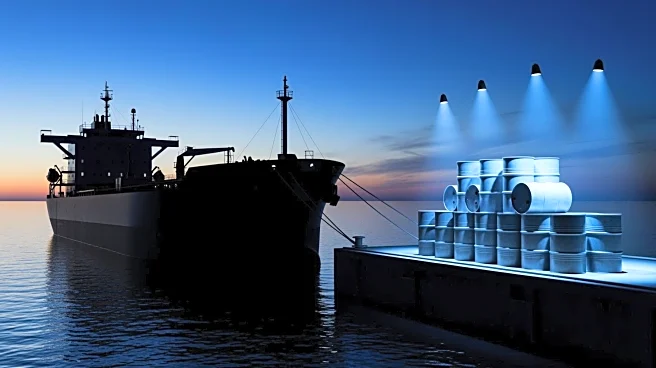
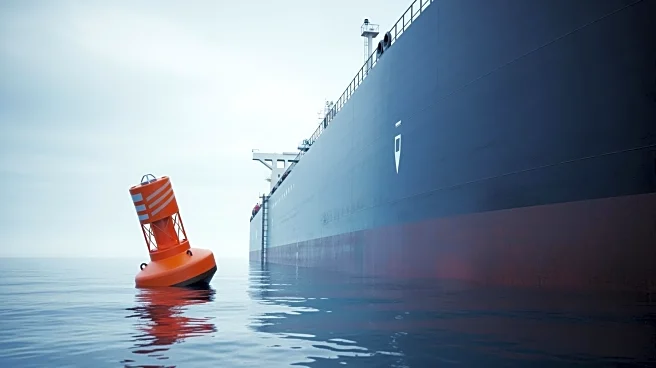
Iranian authorities have announced the seizure of an unidentified tanker accused of smuggling fuel in the region of the Strait of Hormuz and Qeshm Island. The vessel was reportedly transporting four million liters of fuel to a larger tanker in the Gulf
of Oman. The Iranian forces have detained 16 foreign crew members as part of the investigation. This action is part of a broader effort by Iran to combat fuel smuggling, which has been a persistent issue in the region. Mojtaba Ghahramani, head of the Justice Department in Hormozgan province, emphasized the judiciary's commitment to eradicating fuel smuggling, stating that Iranian waters will not be safe for smugglers. The seized vessel and its cargo are valued at over $5 million.
Why It's Important?
The seizure of the tanker underscores Iran's intensified efforts to curb fuel smuggling, a significant issue affecting the region's economic stability. By cracking down on illegal fuel trade, Iran aims to protect its economic interests and assert control over its territorial waters. This move could have broader implications for international shipping routes and the global oil market, as the Strait of Hormuz is a critical chokepoint for oil transportation. The detention of foreign crew members also highlights the potential diplomatic tensions that could arise from such enforcement actions, affecting international relations and maritime security.
What's Next?
Iran is likely to continue its aggressive stance against fuel smuggling, potentially leading to more seizures and legal actions against those involved in the illegal trade. This could result in increased maritime security measures and heightened tensions in the region. International stakeholders, including shipping companies and foreign governments, may need to reassess their operations and diplomatic strategies to navigate the evolving security landscape in the Persian Gulf.