





What's Happening?
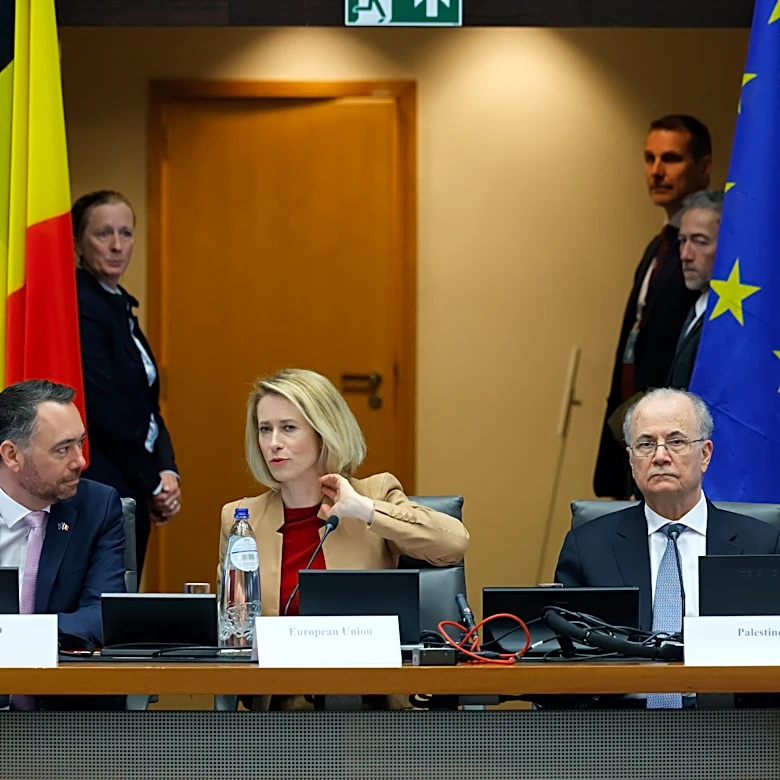
The United States has informed the Baltic States of potential delays in the delivery of weapons and ammunition due to the ongoing conflict with Iran. During a joint press conference on April 17, the Prime Ministers of Estonia and Lithuania acknowledged
the situation, emphasizing their understanding of the circumstances and the importance of maintaining strong ties with the U.S. Estonia's Prime Minister Kristen Michal confirmed that discussions are ongoing to address these supply challenges. Lithuanian Prime Minister Inga Ruginienė noted that while there is no immediate problem, changes to supply schedules have been communicated. Latvia's Prime Minister Evika Siliņa mentioned that her government has not yet received official notification of any changes but is monitoring the situation closely. The delays are reportedly affecting several European countries, including the Baltic region and Scandinavia.
Why It's Important?
The delay in U.S. weapon deliveries to the Baltic States is significant as it impacts the defense capabilities of these NATO allies amid rising tensions in Eastern Europe. The Baltic States rely heavily on U.S. military support to bolster their defenses against potential threats, particularly from Russia. The delay could affect their readiness and strategic planning. Additionally, the situation underscores the broader implications of the Iran conflict on global military logistics and alliances. The U.S. remains a crucial ally for these countries, and any disruption in military support could have geopolitical consequences, potentially affecting NATO's collective security posture.
What's Next?
The Baltic States are likely to continue diplomatic engagements with the U.S. to mitigate the impact of these delays. Estonia, for instance, is exploring alternative options for ammunition procurement, including the possibility of using ammunition from other manufacturers, pending necessary permissions. The situation may prompt these countries to reassess their defense procurement strategies and seek additional assurances from the U.S. and other NATO allies. The ongoing discussions and potential adjustments in military logistics will be closely watched by other European nations facing similar challenges.