




What's Happening?
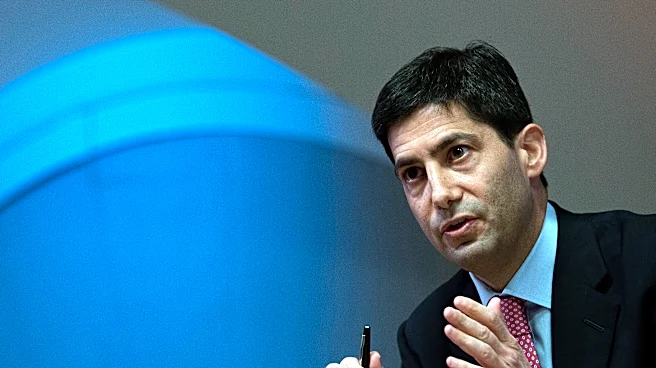
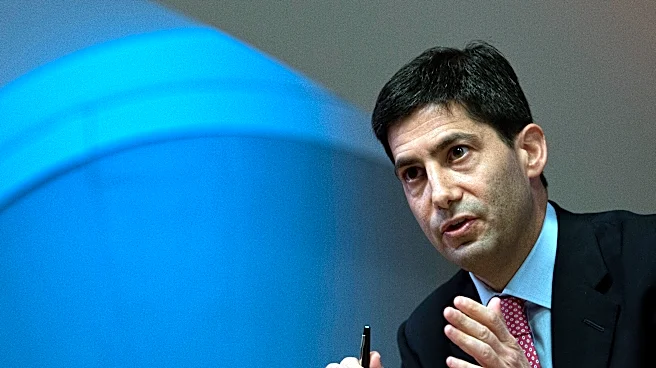
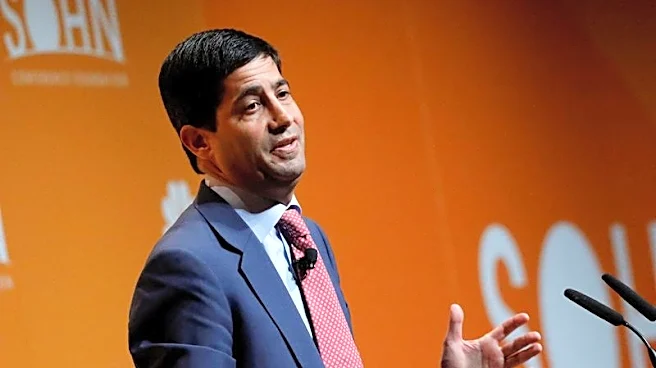
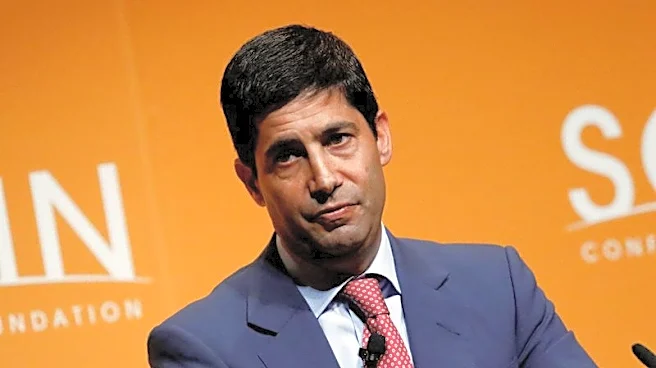
Kevin Warsh, a former Federal Reserve Governor, is set to appear before the Senate Banking Committee as part of his confirmation process to become the head of the U.S. central bank. Nominated by President Trump, Warsh's path to confirmation is complicated
by a criminal probe into current Fed Chair Jerome Powell, which is seen as part of Trump's efforts to influence Fed policy. Warsh has pledged to maintain monetary policy independence and has advocated for interest rate cuts, citing technological advancements as a reason for increased productivity. However, his views on rate cuts are not universally accepted, as inflation remains above the Fed's 2% target. The hearing will address these issues, as well as Warsh's past criticisms of the Fed and his plans for reform.
Why It's Important?
The confirmation of Kevin Warsh as Fed Chair could significantly impact U.S. monetary policy, particularly in terms of interest rates and the Fed's independence. Warsh's nomination comes at a time of tension between President Trump and current Fed Chair Jerome Powell, with potential implications for the central bank's future direction. If confirmed, Warsh's approach to monetary policy, especially his support for rate cuts, could influence economic conditions, affecting everything from inflation to employment. The outcome of this confirmation process is crucial for financial markets and the broader economy, as it will determine the leadership and policy direction of the Federal Reserve.
What's Next?
The Senate Banking Committee will conduct a hearing to evaluate Warsh's nomination, with a focus on his monetary policy views and his ability to maintain the Fed's independence. The timing of the committee and full Senate votes remains uncertain, partly due to ongoing investigations involving current Fed Chair Powell. Republican Senator Thom Tillis has indicated he will block Warsh's nomination until the Justice Department drops its probe of Powell. The outcome of these proceedings will determine whether Warsh will succeed Powell and how the Fed will navigate its policy challenges in the coming years.