






What's Happening?
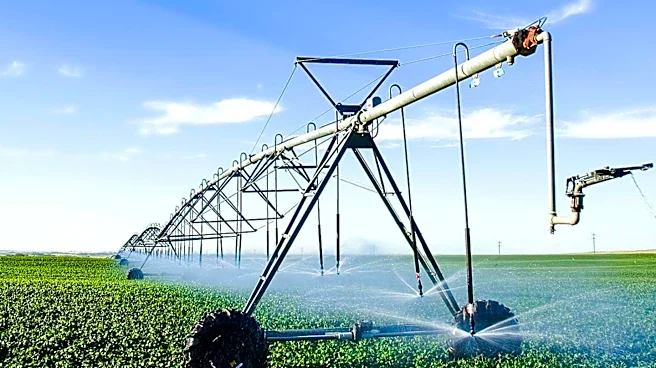
Closed-loop farming is emerging as a sustainable agricultural practice focused on conserving water and preventing pollution. This method involves collecting excess irrigation drainage and returning it to the irrigation system for reuse, rather than allowing
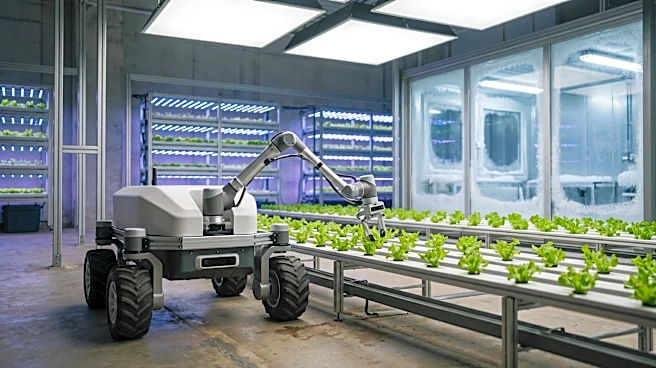
it to drain away. This process ensures that usable moisture continuously circulates within the operation, significantly reducing water loss. Beyond water conservation, closed-loop systems also contribute to better fertilizer management by retaining nutrient-rich drainage, thereby preventing these nutrients from entering surrounding waterways and causing environmental harm like algal blooms. The practice is particularly beneficial in controlled environments such as greenhouses, where precise control over irrigation schedules and nutrient concentrations is crucial. While offering substantial environmental advantages, the implementation of closed-loop farming requires careful system design, including appropriate drainage channels, filtration equipment, and monitoring sensors, to ensure reliable operation and prevent issues like the accumulation of dissolved salts or the spread of plant pathogens.
Why It's Important?
The adoption of closed-loop farming is important for the U.S. agricultural sector as it addresses critical challenges related to water scarcity and environmental pollution. With agriculture accounting for a significant portion of global freshwater withdrawals, methods that conserve water are vital for sustainable food production, especially in regions facing drought and unpredictable rainfall. By minimizing water waste and preventing nutrient runoff, closed-loop systems help protect aquatic ecosystems from harmful algal blooms and reduce the overall environmental footprint of farming. This approach also offers growers greater control over cultivation conditions, potentially leading to more efficient use of resources and improved crop yields. Furthermore, as urban agriculture expands, integrating recirculating irrigation into city planning can support local food production and contribute to greener neighborhoods, enhancing community access to environmentally responsible growing practices and fostering more resilient local food systems.
What's Next?
The future of closed-loop farming will likely involve continued innovation in system design and technology to overcome current challenges and facilitate wider adoption. Growers will need to carefully evaluate crop requirements, cultivation methods, and local conditions before investing in these systems, as initial setup costs and ongoing operational expenses can be significant. Efforts will focus on developing more energy-efficient pumps and filtration systems, as well as advanced monitoring technologies to manage water chemistry and nutrient concentrations effectively. Additionally, there will be a need for increased technical knowledge and support for farmers to interpret monitoring results and respond to changing cultivation conditions. As climate pressures intensify, the demand for adaptable solutions that respect regional resource limitations will drive further research and development in closed-loop agriculture, aiming to build more resilient and environmentally responsible food systems.
Beyond the Headlines
Beyond the immediate benefits of water conservation and pollution control, closed-loop farming signifies a broader shift towards precision agriculture and sustainable resource management. This approach highlights the ethical responsibility of food producers to minimize their environmental impact and contribute to ecological balance. The integration of technology, such as advanced filtration and monitoring systems, underscores the increasing reliance on data-driven decisions in modern farming. Furthermore, the concept extends to urban planning, where incorporating such methods can transform how cities produce food, fostering community engagement with sustainable practices and potentially reducing the carbon footprint associated with food transportation. The challenges of initial investment and technical expertise also bring to light the need for policy support, financial incentives, and educational programs to enable smaller operations to adopt these beneficial, yet complex, systems, ensuring that the transition to sustainable agriculture is inclusive and widespread.