








What's Happening?
A recent webinar hosted by CPWR – The Center for Construction Research and Training, held in Silver Spring, MD, focused on electrical hazards in the construction industry. Joseph McManigal, a senior risk engineering consultant at Zurich Resilience Solutions,
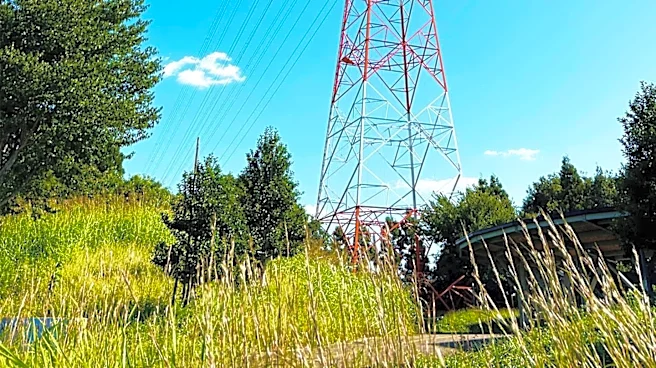
emphasized that electrical hazards are pervasive throughout construction projects and affect all workers. He stressed that the safest electrical work is performed only after the hazard has been completely removed. McManigal highlighted that many construction industry stakeholders need to improve their recognition of electrical hazards and understanding of incident causes. Data from Electrical Safety Foundation International indicates that nearly 1,700 workplace electrical fatalities occurred between 2011 and 2024, with 70% involving workers in non-electrical occupations. Contact with overhead power lines remains a leading cause of electrocution, particularly for workers in material handling, steel erection, and utility work.
Why It's Important?
The webinar's insights are crucial for enhancing worker safety and reducing fatalities in the U.S. construction industry, which consistently ranks among the most dangerous sectors. The high percentage of electrical fatalities involving non-electrical workers underscores a systemic issue of inadequate hazard awareness and training across all trades. This lack of awareness can lead to preventable accidents, significant injuries, and even death, impacting workers, their families, and the overall productivity of construction projects. Implementing the recommended practices, such as thorough pre-task planning and empowering workers to voice safety concerns, can lead to a substantial reduction in incidents. Improved safety protocols also have economic benefits, including lower insurance costs, reduced downtime, and avoidance of regulatory fines, ultimately fostering a more secure and efficient work environment.
What's Next?
The recommendations from the webinar suggest a continued push for improved safety training and hazard recognition programs within the construction industry. Supervisors are urged to develop consistent pre-task planning that actively incorporates worker feedback and engagement, using visual aids instead of extensive text to communicate safety information effectively. Key questions, such as whether equipment is energized, if it can be de-energized, and if it has been locked out, should be asked before any work begins. The emphasis on verifying the absence of voltage and identifying qualified personnel for electrical tasks will likely become standard practice. These measures aim to foster a proactive safety culture where electrical hazards are systematically identified, respected, and controlled, thereby reducing the frequency of incidents and fatalities.
Beyond the Headlines
The discussion on electrical hazards in construction delves into deeper issues of workplace culture, communication, and the psychological aspects of safety. The statement that 'incidents are rarely random' implies that most accidents are a result of systemic failures, such as communication breakdowns, inadequate planning, or assumptions about safety. This highlights the ethical responsibility of employers to create environments where safety is prioritized and workers feel empowered to speak up without fear of reprisal. The focus on worker buy-in and ownership in safety planning suggests a shift from top-down mandates to a more collaborative approach, recognizing that those on the ground often have the most practical insights into potential dangers. This cultural transformation is essential for achieving sustainable safety improvements and fostering a workplace where every individual is a stakeholder in preventing accidents.