






What's Happening?
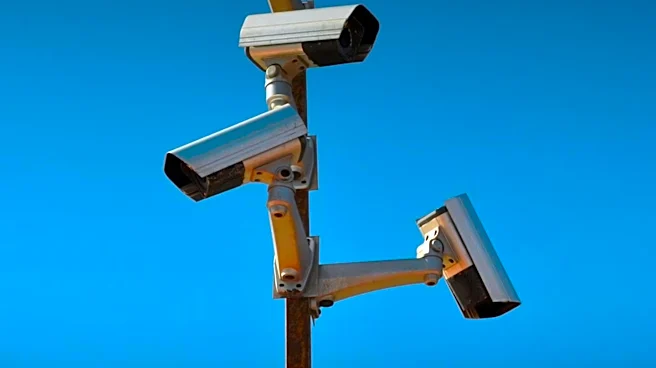
Moore County commissioners are holding a special public meeting with the sheriff's office to discuss Flock cameras, which are automatic license plate readers. The meeting, scheduled for Monday at 4 p.m. in the Grand Hall of the Moore County Senior Enrichment
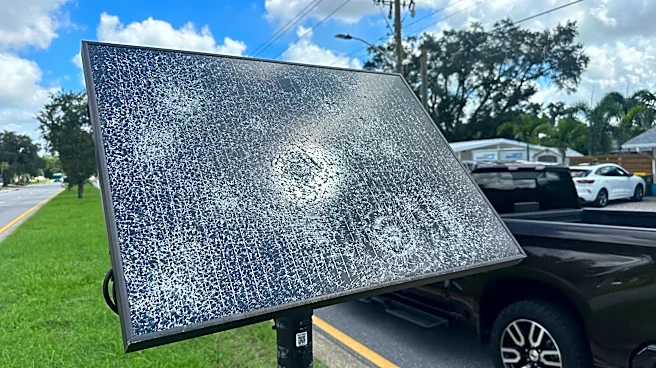
Center in West End, was planned weeks ago due to ongoing community concerns about privacy and potential misuse of the system. The Moore County Sheriff's Office is expected to present information on the cameras and address public questions. This comes less than a week after Moore County deputies reportedly used these cameras to track Demetrius Aggelis, a suspect in a triple homicide in Pinebluff. Flock Safety, the Atlanta-based company behind the cameras, states their devices are designed to assist in locating missing persons, identifying stolen vehicles, and tracking criminal suspects. However, critics are concerned about the breadth of data searches and the oversight of officer access, especially given past accusations of two North Carolina officers using the cameras to stalk individuals. The company clarifies that the cameras do not provide live video, record conversations, or transcribe spoken words, instead capturing short recordings and still images. Flock Safety also asserts it will not sell data to third parties, incorporate facial recognition, or weaponize its drones.
Why It's Important?
The discussion in Moore County highlights a growing national debate regarding the balance between public safety and individual privacy in the age of advanced surveillance technology. The use of automatic license plate readers (ALPRs) like Flock cameras offers law enforcement agencies a powerful tool for criminal investigations, as demonstrated by their recent use in tracking a homicide suspect. This capability can significantly enhance the efficiency of locating suspects and stolen vehicles, potentially leading to quicker resolutions in critical cases. However, the widespread deployment of such technology raises substantial civil liberties concerns. Critics fear that the extensive data collection could lead to unwarranted surveillance of ordinary citizens, creating a detailed record of their movements without probable cause. The potential for misuse, as evidenced by previous allegations of officers using these cameras for stalking, underscores the need for robust oversight mechanisms and clear policies governing data access and retention. The outcome of discussions in Moore County could influence how other jurisdictions in the U.S. approach the adoption and regulation of similar surveillance technologies, setting precedents for privacy safeguards versus law enforcement capabilities.
What's Next?
Following the special meeting, Moore County commissioners will likely consider the information presented by the sheriff's office and the public's feedback to determine future policies regarding the use of Flock cameras. The community's response and the commissioners' decisions could lead to the implementation of stricter guidelines for data access, retention, and usage, or potentially a re-evaluation of the county's contract with Flock Safety. Other U.S. localities facing similar privacy concerns may monitor Moore County's approach as they grapple with the deployment of ALPR technology. Law enforcement agencies will continue to advocate for the cameras' utility in crime prevention and investigation, while civil liberties advocates will press for greater transparency and accountability. The ongoing dialogue will likely shape the regulatory landscape for surveillance technologies, potentially leading to new legislation or local ordinances aimed at balancing public safety needs with privacy rights.
Beyond the Headlines
The debate over Flock cameras in Moore County extends beyond immediate privacy concerns, touching upon fundamental questions about the nature of public space and the evolving definition of surveillance in a technologically advanced society. The ability to automatically track vehicle movements across an entire county creates a digital footprint that can be aggregated and analyzed, potentially revealing patterns of life that were once considered private. This raises ethical dilemmas about the 'right to anonymity' in public and the potential for mission creep, where technology initially deployed for serious crimes could be expanded for minor infractions or even non-criminal monitoring. The discussion also highlights the challenge of ensuring accountability when powerful surveillance tools are in the hands of law enforcement. Establishing clear legal frameworks, independent oversight bodies, and transparent reporting mechanisms will be crucial to prevent abuses and maintain public trust. The long-term implications could include a shift in societal expectations regarding privacy in public, potentially leading to a more surveilled environment where individual movements are routinely recorded and accessible, impacting civil liberties and the democratic process.