





What's Happening?
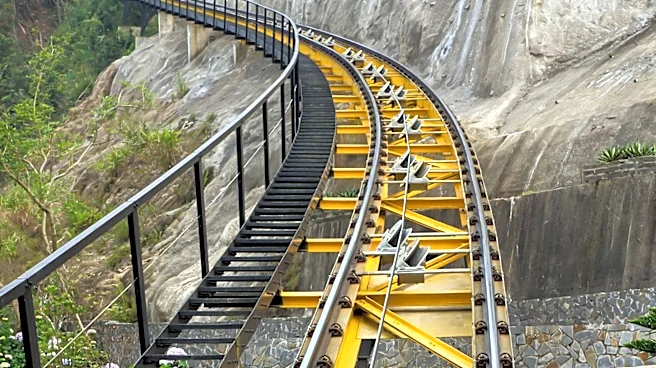
Officials in Colorado are investigating an incident where a woman, Nicola Parker of Texas, sustained serious injuries on the Rocky Mountain Coaster at Copper Mountain. The incident occurred on August 17, with Parker's attorneys claiming she was ejected
from her car while rounding a turn and subsequently dragged along the track, entangled by her seatbelt. Despite her seatbelt being fastened, she suffered a separated left shoulder, a broken rib that punctured and collapsed her left lung, a traumatic brain injury, and deep lacerations. Parker required multiple surgeries and was initially treated at a local hospital before being transferred to a trauma center due to the severity of her injuries. Copper Mountain stated that patrol members found the guest seated in the cart with her seatbelt fastened and assisted her to the base area. The resort is cooperating with the Colorado Division of Oil and Public Safety, which oversees amusement rides in the state, and the manufacturer to review the incident. The Rocky Mountain Coaster, the second-longest alpine coaster in North America, is currently closed, as is a similar ride at Purgatory Resort, pending the investigation's outcome.
Why It's Important?
This incident highlights critical safety concerns within the amusement park industry, particularly regarding alpine coasters. The alleged failure of a safety restraint system, despite being fastened, raises questions about the design, maintenance, and operational protocols of such rides. For consumers, it underscores the potential risks associated with recreational activities that are often perceived as low-risk. For amusement park operators, including Copper Mountain, the investigation could lead to significant financial and reputational consequences, including potential lawsuits, increased insurance premiums, and mandatory safety upgrades. The closure of not only the Rocky Mountain Coaster but also a similar ride at Purgatory Resort indicates a broader concern among state officials about the safety of these attractions. This could prompt a review of safety standards and inspection procedures for alpine coasters across Colorado and potentially influence regulations nationwide, impacting the design and operation of similar rides.
What's Next?
The Colorado Division of Oil and Public Safety will continue its investigation into the incident, working with Copper Mountain and the coaster's manufacturer. The findings of this investigation will be crucial in determining the cause of the malfunction and whether any negligence occurred. Depending on the outcome, there could be legal repercussions for Copper Mountain, including civil lawsuits filed by Ms. Parker's legal team. The investigation's results may also lead to revised safety regulations or operational guidelines for alpine coasters in Colorado, potentially affecting other amusement parks and resorts. It is likely that the Rocky Mountain Coaster will remain closed until the investigation is complete and any necessary safety modifications or assurances are made. The broader amusement ride industry will be closely watching this case, as it could set precedents for liability and safety standards for similar attractions.
Beyond the Headlines
Beyond the immediate safety concerns, this incident touches upon the evolving landscape of recreational tourism and the inherent risks associated with thrill rides. The increasing popularity of attractions like alpine coasters, which blend natural environments with mechanical elements, presents unique challenges for safety oversight. This event could spark a broader public discourse on the adequacy of current safety regulations for such hybrid attractions and the responsibility of operators to ensure passenger safety. It also raises ethical questions about the balance between providing exhilarating experiences and mitigating potential harm. The legal proceedings that may follow could redefine the scope of liability for amusement park operators and manufacturers, potentially leading to more stringent design requirements and operational checks. This incident serves as a stark reminder of the importance of continuous vigilance and adaptation in safety protocols as recreational technologies advance.