




What's Happening?
The Trump administration plans to reduce the U.S. military forces allocated to NATO for crisis response, signaling a shift in Washington's commitment to the alliance. This decision, expected to be announced at a defense meeting in Brussels, aims to encourage
European nations to take greater responsibility for their defense. The reduction in U.S. forces could reshape NATO's crisis response capabilities and has raised concerns among allies about the reliability of U.S. support. The Pentagon will maintain its nuclear umbrella for NATO, but the move marks a significant change in U.S. defense policy.
Why It's Important?
The planned reduction in U.S. military forces for NATO could have far-reaching implications for the alliance's ability to respond to crises. European allies may need to increase their defense spending and capabilities to compensate for the reduced U.S. presence. This shift reflects President Trump's view that European countries should bear more of the defense burden, potentially altering transatlantic relations and NATO's future cohesion. The decision could impact regional security dynamics and the strategic balance in Europe, affecting both U.S. and European defense policies.
What's Next?
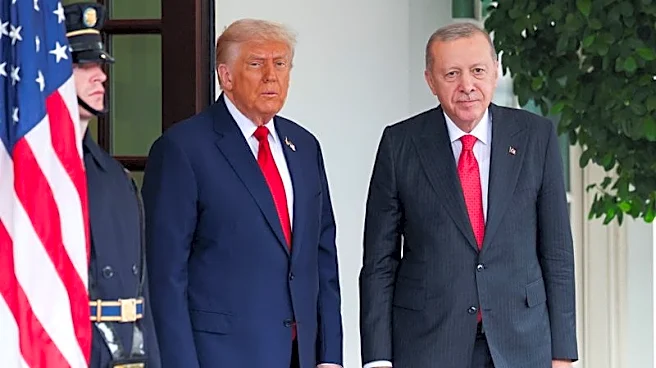
The upcoming NATO summit in Turkey will likely address the implications of the U.S. decision, with leaders discussing how to adapt to the reduced American role. European countries may need to accelerate their defense investments to fill the gap left by the U.S. reduction. The Pentagon's announcement is expected to prompt further discussions on the future of NATO's force structure and the alliance's strategic priorities. The outcome of these discussions could shape NATO's long-term defense posture and influence U.S.-European relations.