






What's Happening?
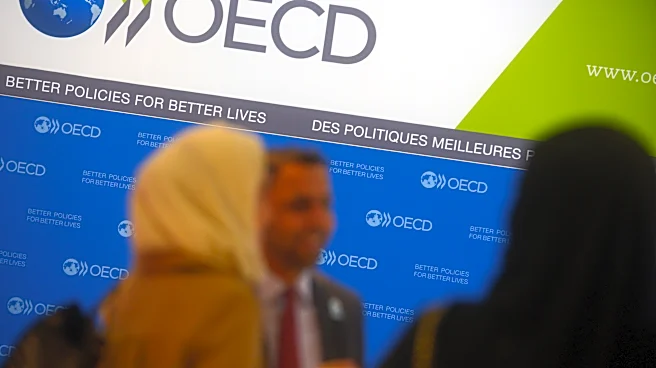
The Tokyo Metropolitan Government (TMG) and the Organisation for Economic Co-operation and Development (OECD) have announced that Tokyo will host the 8th Meeting of the OECD Champion Mayors for Inclusive Growth in May 2027. This international gathering,
scheduled for May 20-21, 2027, at the Hilton Tokyo Odaiba, will bring together city leaders from around the world. The primary objective of the meeting is to facilitate discussions on strengthening cooperation among cities, sharing knowledge, and exchanging views on policies aimed at reducing inequality and fostering inclusive economic growth. Participants are expected to issue a joint statement outlining practical initiatives to advance these goals. The OECD Champion Mayors for Inclusive Growth Initiative, launched in 2016, is a network of 60 mayors from OECD member countries, accession candidate countries, and developing economies. Tokyo Governor Koike has been involved with the network since 2017, serving as Vice-Chair in 2025 and becoming Chair in 2026. This will be the first time Japan hosts this significant meeting.
Why It's Important?
This meeting is crucial for advancing global urban policy on inclusive growth, a key challenge for many U.S. cities. By bringing together mayors from diverse backgrounds, the event provides a platform for U.S. city leaders to learn from international best practices and share their own strategies for addressing inequality and promoting economic opportunities for all residents. The discussions and resulting joint statement could influence urban development policies, social programs, and economic strategies in U.S. municipalities. For U.S. cities grappling with issues such as affordable housing, income disparities, and access to essential services, the insights gained from this international forum can offer valuable perspectives and potential solutions. Furthermore, increased cooperation among global cities can lead to collaborative projects and shared resources, benefiting urban populations worldwide, including those in the United States. The focus on inclusive growth directly impacts the well-being and economic stability of communities, making these discussions highly relevant for U.S. urban centers.
What's Next?
Following the announcement, preparations for the 8th Meeting of the OECD Champion Mayors for Inclusive Growth will intensify. The Tokyo Metropolitan Government will work closely with the OECD to finalize the agenda, identify key themes for discussion, and coordinate logistics for the international delegation of mayors. Leading up to May 2027, there will likely be preliminary discussions and working group sessions to shape the content of the meeting and ensure productive outcomes. Mayors from U.S. cities involved in the OECD Champion Mayors network will begin preparing their contributions, potentially highlighting successful local initiatives or pressing urban challenges they face. The joint statement expected from the meeting will outline actionable strategies, which participating cities, including those in the U.S., will then be encouraged to implement. This could lead to new policy frameworks, pilot programs, and increased inter-city collaboration on inclusive growth initiatives in the years following the summit.
Beyond the Headlines
The decision to host the OECD Champion Mayors meeting in Tokyo underscores a growing recognition of cities as critical actors in addressing global economic and social challenges, often bypassing national-level political gridlock. This trend highlights a shift towards 'city diplomacy,' where urban centers forge direct international partnerships to tackle shared issues like inequality, climate change, and sustainable development. For the U.S., this means that local leaders are increasingly engaging on the global stage, influencing policy and sharing innovations independently of federal foreign policy. The emphasis on inclusive growth also reflects a broader societal concern about the uneven distribution of economic benefits, prompting a re-evaluation of traditional growth models. This meeting could further legitimize and empower municipal governments to drive significant social and economic change, fostering a more bottom-up approach to global problem-solving and potentially leading to more resilient and equitable urban environments across the U.S. and worldwide.