





What's Happening?
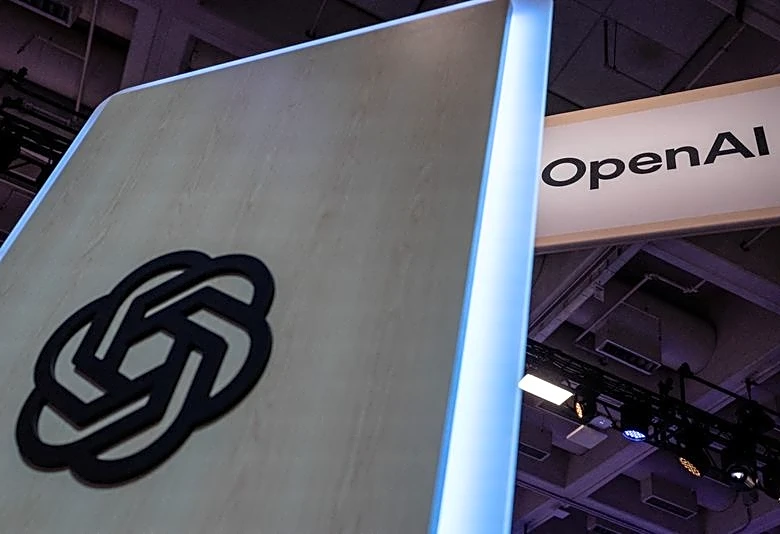
David Robinson, who was responsible for writing safety reports for new models at OpenAI, has resigned from the company. He believes that OpenAI and the broader artificial intelligence industry lack the necessary safety culture to protect the world from the technologies
they are developing. Robinson, a Rhodes scholar and Yale Law graduate with a background in civil rights and advising the Biden White House, joined OpenAI in 2023. Initially, he viewed AI as a useful tool, not a catastrophic risk, but his perspective has since changed. His resignation and subsequent interview mark his first public comments since leaving the company, highlighting his concerns about the industry's approach to AI safety. The New York Times has a pending lawsuit against OpenAI and Microsoft for copyright infringement, which the companies deny.
Why It's Important?
Robinson's resignation from a key safety role at a leading AI company underscores growing concerns about the ethical and societal implications of advanced artificial intelligence. His unique background, outside the typical Silicon Valley tech sphere, lends weight to his critique, suggesting that the industry's internal safety mechanisms may be inadequate. This development could prompt increased scrutiny from regulators and the public regarding AI development practices. It also highlights a potential conflict between rapid technological advancement and the imperative for robust safety protocols, impacting future policy decisions on AI governance and potentially influencing investment in AI companies based on their safety commitments. The departure of a high-profile safety expert could also encourage other AI researchers to voice similar concerns, potentially leading to a broader movement for more stringent AI safety standards.
What's Next?
Robinson's public statements are likely to intensify the ongoing debate surrounding AI safety and regulation. His insights could inform future legislative efforts in the U.S. aimed at establishing clearer guidelines and oversight for AI development. Other AI companies may face pressure to demonstrate their commitment to safety, potentially leading to internal reviews of their own protocols. This situation could also influence public perception of AI, fostering greater demand for transparency and accountability from developers. It remains to be seen if Robinson's departure will trigger a wave of similar resignations or if it will prompt OpenAI and other industry leaders to publicly address and potentially revise their safety strategies in response to these criticisms.
Beyond the Headlines
The resignation of David Robinson from OpenAI touches upon deeper ethical and philosophical questions surrounding the control and impact of advanced AI. His concern about the industry's 'safety culture' suggests a fundamental misalignment between the pace of innovation and the capacity for responsible governance. This raises questions about who should ultimately decide the trajectory of AI development and what safeguards are truly sufficient to prevent unforeseen societal harms. The incident could also highlight a broader cultural tension within the tech industry, where rapid growth and innovation sometimes overshadow long-term ethical considerations. It may also spark discussions about the role of 'outsiders' like Robinson, with diverse backgrounds, in bringing critical perspectives to highly specialized tech fields, and whether such perspectives are adequately valued or integrated into decision-making processes.