




What's Happening?
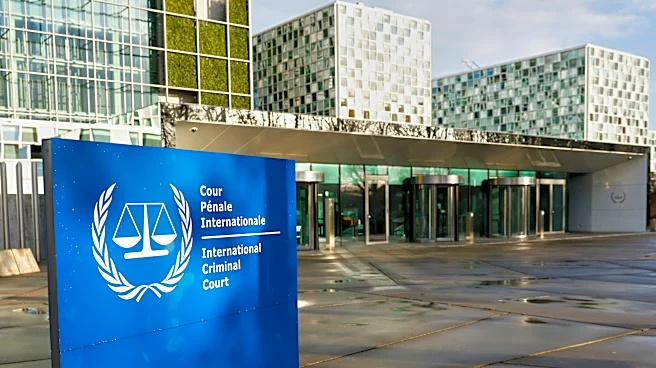
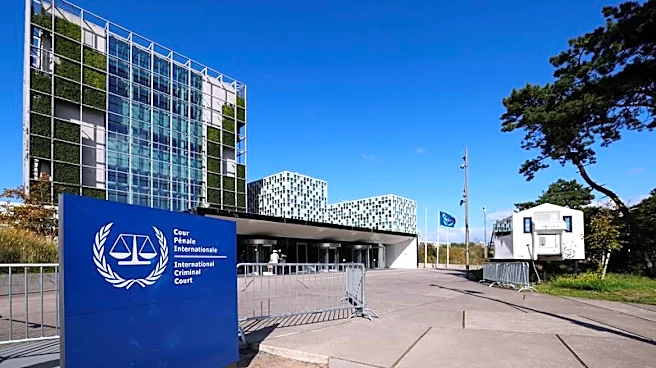
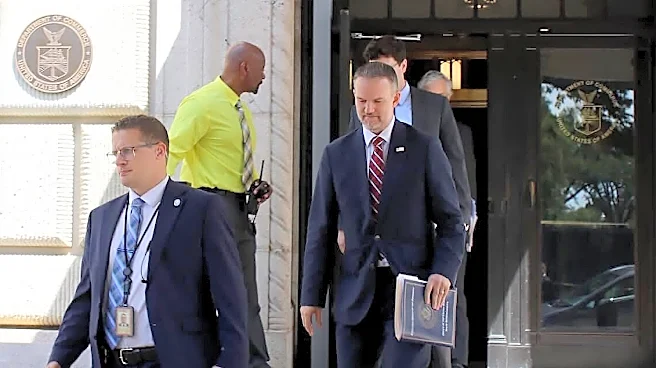
The U.S. Treasury Department has designated Tomoko Akane, President and Judge of the International Criminal Court (ICC), and Abdoulaye Seye, a Senior Trial Lawyer at the Court, for sanctions under Executive Order 14203. These individuals were added to
the Specially Designated Nationals and Blocked Persons List. Executive Order 14203, issued on February 6, 2025, forms the basis of this sanctions program, targeting foreign persons involved in ICC efforts concerning individuals defined as 'protected persons,' which include U.S. personnel and certain allied nationals. The U.S. has historically opposed the ICC's jurisdiction over its nationals without American consent, a stance that predates the current sanctions campaign. This action follows previous rounds of sanctions against ICC officials, including former Prosecutor Karim Khan and several judges. The U.S. government views these measures as a response to what it considers a threat by the ICC to U.S. sovereignty, particularly regarding investigations into alleged crimes in Afghanistan and Palestine.
Why It's Important?
These sanctions underscore a significant and ongoing dispute between the United States and the International Criminal Court regarding jurisdictional authority. The U.S. maintains that it is not bound by the Rome Statute, having never ratified it, and therefore rejects the ICC's ability to prosecute U.S. nationals without consent. The imposition of sanctions on high-ranking ICC officials, including its President, could be perceived as an attempt to impede the court's independent functioning and administration of justice. This move could strain international relations, particularly with countries that are State Parties to the Rome Statute and support the ICC's mandate. Furthermore, the legal challenges to Executive Order 14203 within U.S. courts, with some rulings citing First Amendment violations, highlight the domestic legal complexities and potential constitutional implications of these sanctions. The broader impact could be a weakening of international legal institutions and norms, as the U.S. uses its economic and political power to challenge the jurisdiction of an international body.
What's Next?
The legal challenges to Executive Order 14203 are expected to continue within U.S. courts. Previous rulings, such as in Rona v. Trump, have granted permanent injunctions protecting individuals from enforcement of the order based on First Amendment grounds, while other cases, like L.C. v. Trump, have seen preliminary relief granted but subsequently stayed on appeal. These ongoing proceedings will determine the domestic legality and scope of the sanctions regime. Internationally, the sanctions are likely to continue to draw criticism from State Parties to the Rome Statute and human rights organizations, who may view them as an infringement on judicial independence. The U.S. government will likely continue to assert its position against ICC jurisdiction over its nationals, potentially leading to further diplomatic tensions and debates over the application of international law and the sovereignty of non-member states.
Beyond the Headlines
The U.S. sanctions against ICC officials delve into complex questions of international law, national sovereignty, and the independence of judicial bodies. While the U.S. asserts its right as a non-party to the Rome Statute to reject ICC jurisdiction over its nationals, the sanctions raise concerns about potential interference with the administration of justice and the privileges and immunities of international officials. The debate extends to whether such unilateral measures, even if domestically authorized, are legal under international law, particularly concerning obligations related to human rights and the independent functioning of international institutions. The case of Francesca Albanese, a UN Special Rapporteur also affected by sanctions, highlights the intersection of different treaty frameworks and the potential for broader implications for international civil servants. This situation could set precedents for how powerful nations interact with international legal bodies, potentially influencing the future effectiveness and legitimacy of global governance mechanisms.