
What's Happening?
The seven Western states reliant on the Colorado River have missed a second deadline to agree on a plan to address ongoing drought and water shortages. Governors from Arizona, California, and Nevada have called on the Upper Basin states—Colorado, New
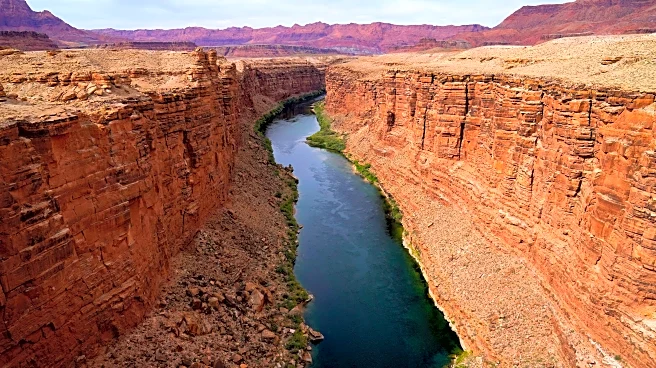
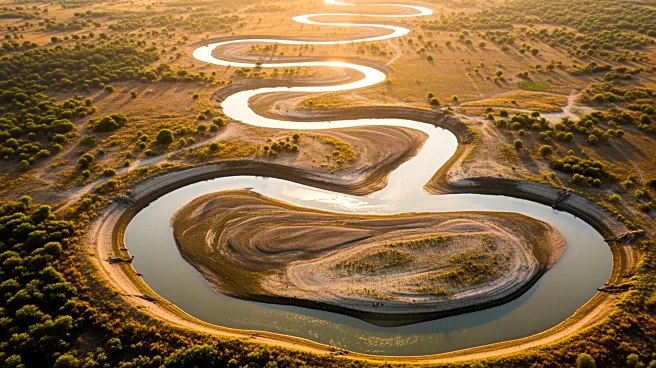
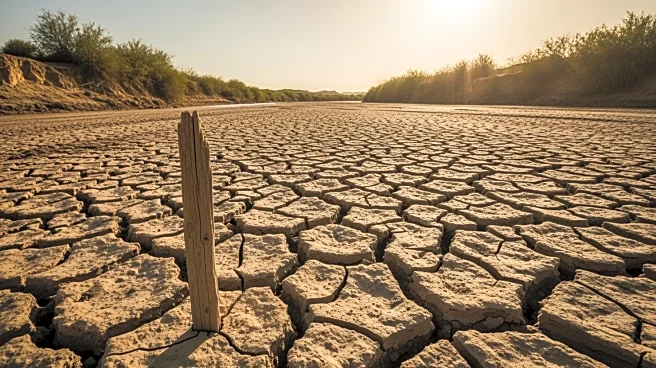
Mexico, Utah, and Wyoming—to make more concessions. The states have been negotiating for over two years to devise a strategy as current guidelines are set to expire. The Colorado River is crucial for over 40 million people, including Native American tribes, and supports farming, water, and electricity needs. Chronic overuse, drought, and climate change have reduced water flows, complicating allocation and conservation efforts.
Why It's Important?
The failure to reach a consensus on water conservation for the Colorado River has significant implications for millions of people and industries across the Western U.S. The river is a vital resource for agriculture, urban water supply, and electricity generation. Without a sustainable plan, communities and economies could face severe water shortages, impacting food production and urban living conditions. The federal government may intervene if states cannot agree, potentially leading to litigation and dissatisfaction among stakeholders. The situation underscores the urgent need for collaborative water management in the face of climate change.
What's Next?
If the states continue to fail in reaching an agreement, the federal government might impose a plan, which could lead to legal challenges. Stakeholders, including state governments and water authorities, will likely intensify negotiations to avoid federal intervention. The ongoing drought and climate change effects will pressure states to find a sustainable solution. Future discussions may focus on equitable water distribution and innovative conservation strategies to ensure long-term water security for the region.