


What's Happening?
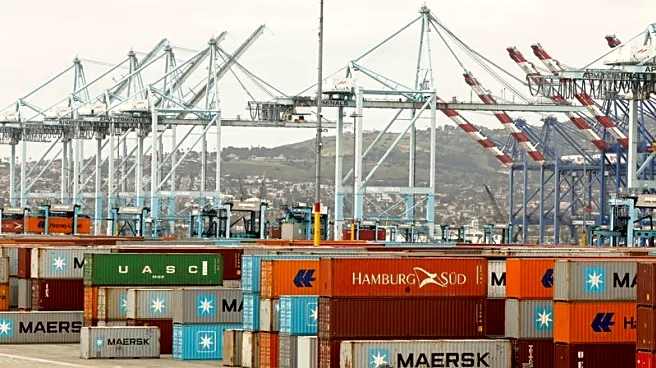
The United States has launched new trade investigations into 60 economies to assess whether they have failed to curb imports of goods produced with forced labor. These investigations are conducted under Section 301(b) of the Trade Act of 1974 and include
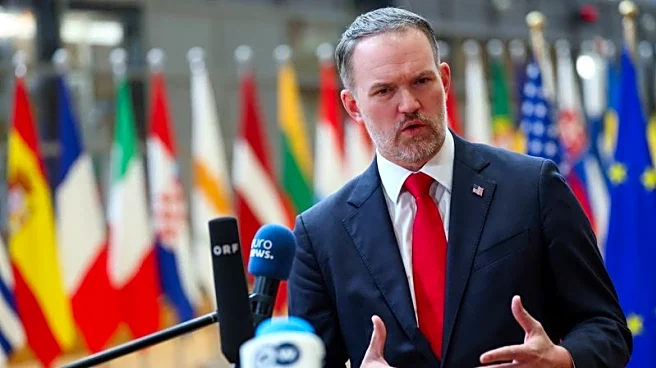
major economies such as China, the European Union, India, and Mexico. The U.S. Trade Representative, Jamieson Greer, emphasized the need for these probes due to the lack of effective enforcement measures by foreign governments against forced labor. The investigations aim to determine the impact of these practices on U.S. workers and businesses.
Why It's Important?
These investigations are crucial as they address the ethical and economic implications of forced labor in global supply chains. By targeting economies that may not be enforcing bans on goods produced with forced labor, the U.S. seeks to protect its industries and workers from unfair competition. The outcome of these probes could lead to the imposition of tariffs or other trade measures, potentially reshaping international trade relations. This move also underscores the U.S. commitment to human rights and ethical labor practices, which could influence global standards.
What's Next?
As the investigations proceed, affected countries may engage in diplomatic discussions with the U.S. to address the concerns raised. The findings could lead to significant trade policy changes, including the imposition of tariffs on non-compliant countries. This could prompt other nations to strengthen their enforcement of labor standards to avoid potential trade penalties. The U.S. may also collaborate with international organizations to promote global adherence to ethical labor practices.