


What's Happening?
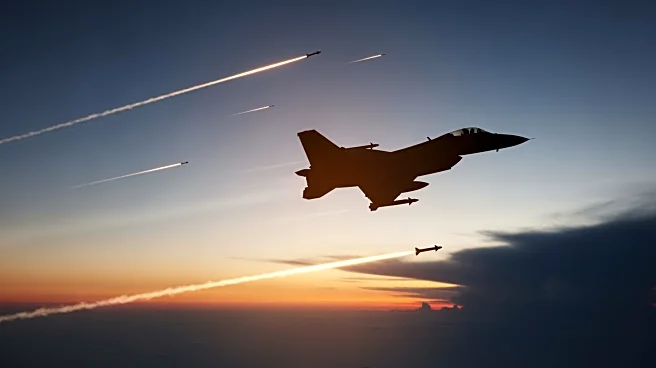
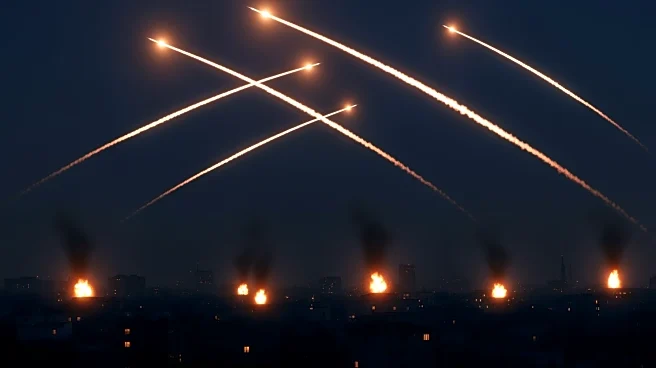
IDF Chief of Staff Lt.-Gen. Eyal Zamir has confirmed that Israel and the United States conducted an 'unprecedented' joint planning process for a strike on Iran. This collaboration involved engagement with US Central Command and aimed to 'destroy capabilities'
of the Iranian regime. The operation is part of a broader effort to prevent Iran from restoring and expanding capabilities that threaten Israeli security, such as missile production and support for proxy forces. The IDF has been conducting airstrikes across Iran, with Israeli air defenses, navy, and ground forces on high readiness. Zamir emphasized the importance of public compliance with Home Front Command directives to ensure safety.
Why It's Important?
The joint planning and execution of strikes on Iran by Israel and the US highlight the strategic military cooperation between the two nations. This operation aims to curb Iran's military capabilities, which are perceived as a threat to regional stability and Israeli security. The involvement of US Central Command underscores the significance of the operation in the context of US foreign policy and its commitment to supporting Israeli defense efforts. The strikes could have broader implications for Middle Eastern geopolitics, potentially affecting diplomatic relations and security dynamics in the region.
What's Next?
Following the strikes, Israel and the US may continue to monitor the situation closely to assess the impact on Iran's military capabilities. The IDF is likely to maintain high readiness levels to respond to any retaliatory actions from Iran or its allies. Diplomatic efforts may be pursued to address the underlying tensions and prevent further escalation. The international community will likely watch the developments closely, with potential implications for global security and diplomatic relations. The situation may also influence future military and strategic planning by Israel and the US.